
“El Público — I do not intend to premiere it in Buenos Aires or anywhere, for I believe there is no company that would dare to stage it nor any audience that would tolerate it without outrage.“
(Federico García Lorca, statements to La Nación, Buenos Aires, 14-7-1933).
ORIGINS
The origins of this project go back to 2015, when Matilde Javier Círia was invited to direct the play Frankenstein, by Mary Shelley, at the National Theatre of Costa Rica, with direction assistance by Rafaela Bidarra.
Coming from different areas of the performing arts, from classical theatre to more physical disciplines, this duo has been developing complementary work in the field of butoh dance, seeking to reach other levels of artistic expression beyond text or physicality alone.
The success of Frankenstein showed that it is possible to make a journey from text to this dance, taking the audience and the actors on a passage from the real and tangible to the abstract.
It became clear that this would be work to develop in the future — fusing the word into butoh — when Arturo Campos, the Costa Rican actor who played Frankenstein and whose main mastery is text work, expressed his wish to keep exploring the shadowy, neural body championed by Matilde and Rafaela.
The need to work on a text again, together, became pressing. To immerse ourselves in a work by a great author and bring something new to the stage: a new form of theatrical expression that reaches the audience, unsettles it and impassions it as much as those who created it.
For this, we chose Lorca, more precisely the play El Público.


In this play, the Spanish author attempts to renew himself and the theatre of his time, speaking about desire, lies and freedom, in a surrealist language that remains ambiguous about what could be hallucinations or “dramatic realities”. El Público aims to be a cry of defiance against bourgeois hypocrisy and is an ode in favour of amorous, sexual and artistic freedom, charged with homoeroticism.
From the challenge of questioning our commitment to the performing arts through this metatheatrical literary proposal left by the poet Federico García Lorca, the show PÚBLICO x LORCA is born.
The absurd falseness of contemporary life will be taken as a starting point, inviting the spectator to become critical of questions as basic and fundamental as love and freedom, the public and the private, work or vocation. The relevance of a light, commercial theatre — eager to please the audience — is called into question, as opposed to a revealing theatre that challenges established values and transforms whoever allows themselves to receive it.
We brought together artists from countries such as Costa Rica, Spain, Portugal and France to give life and body to this multidisciplinary, intercultural project, made possible thanks to the support of IBERESCENA: a programme of promotion, exchange and integration that fosters, in the form of financial support, the creation of Ibero-American performing arts.
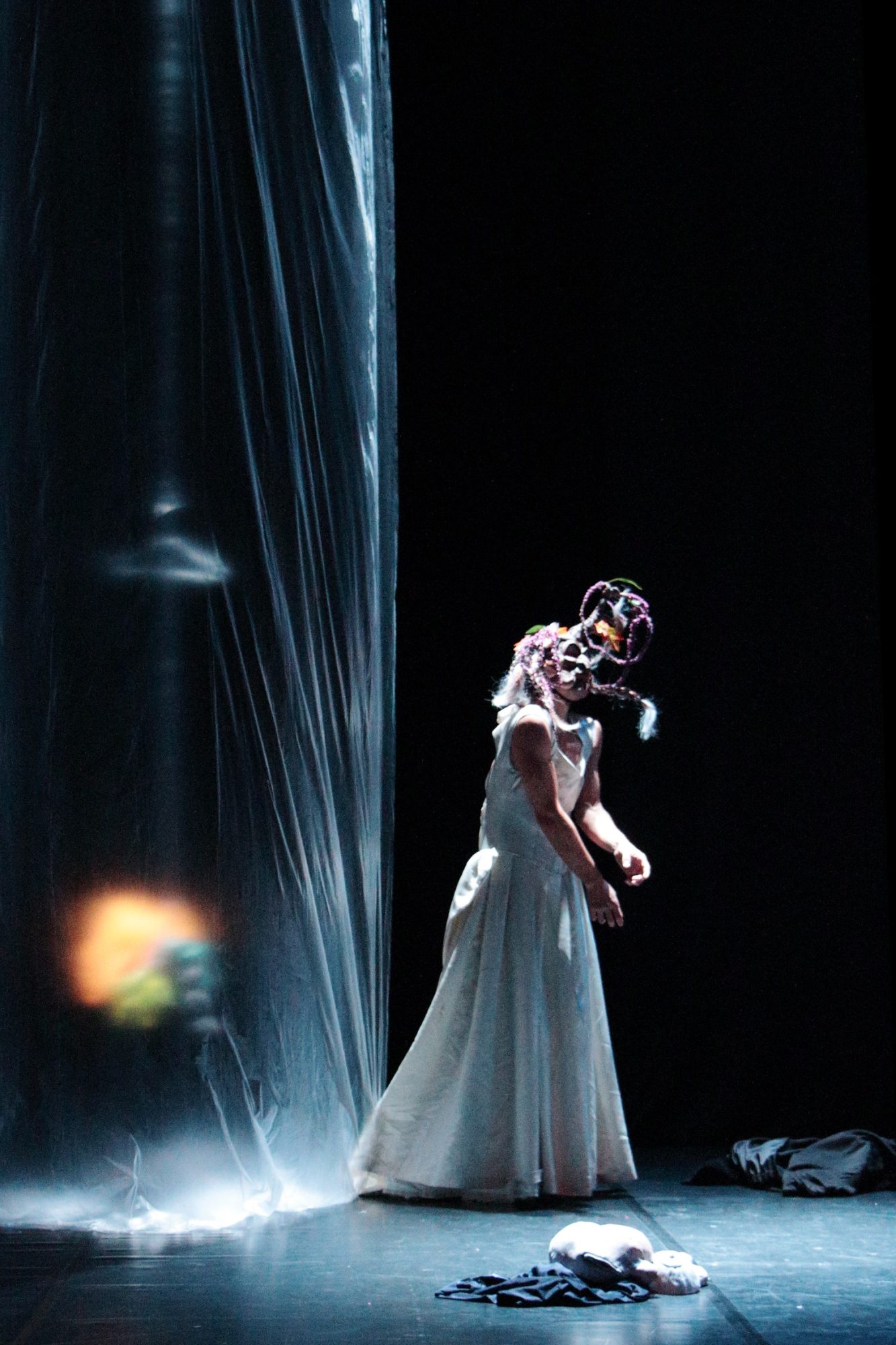
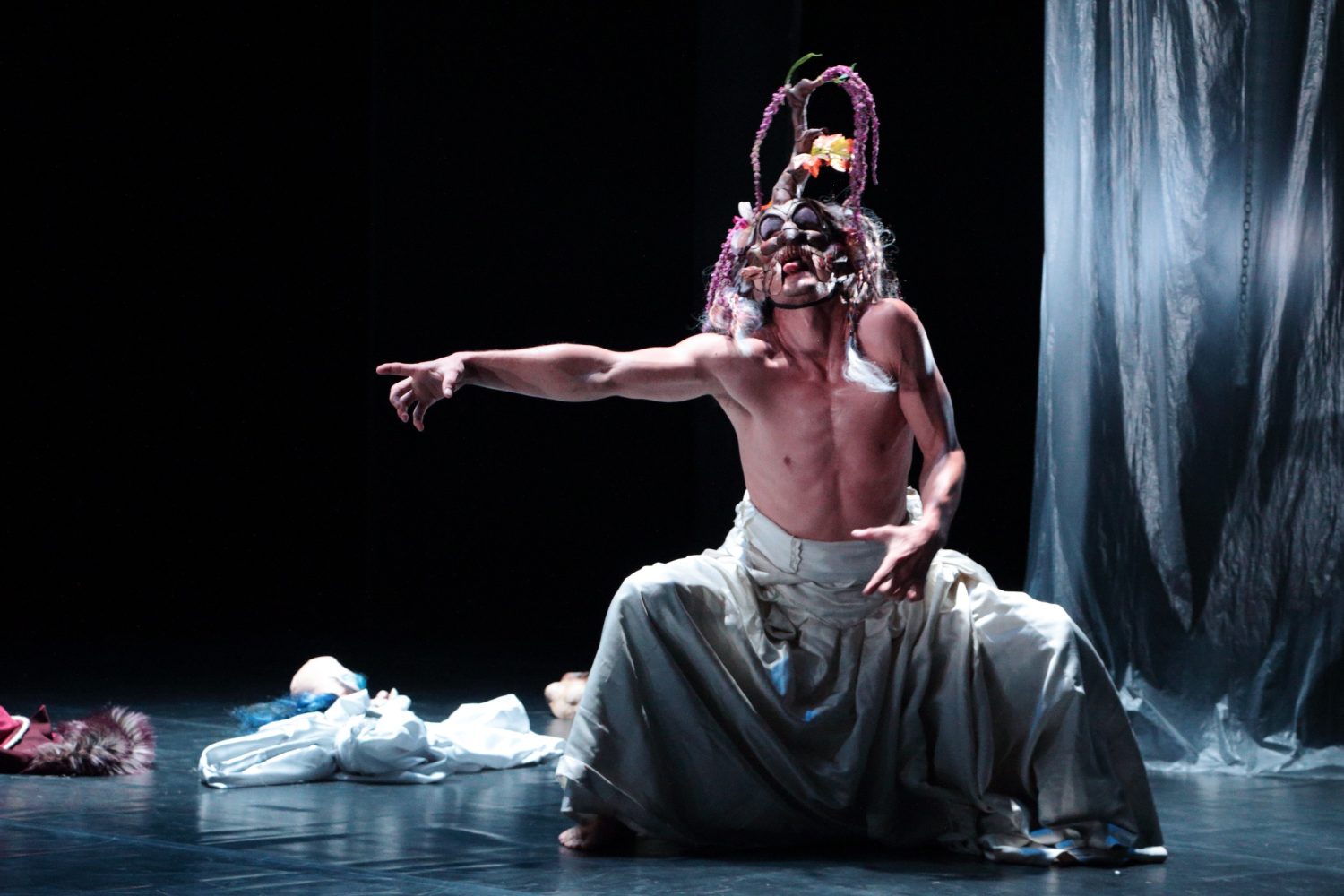
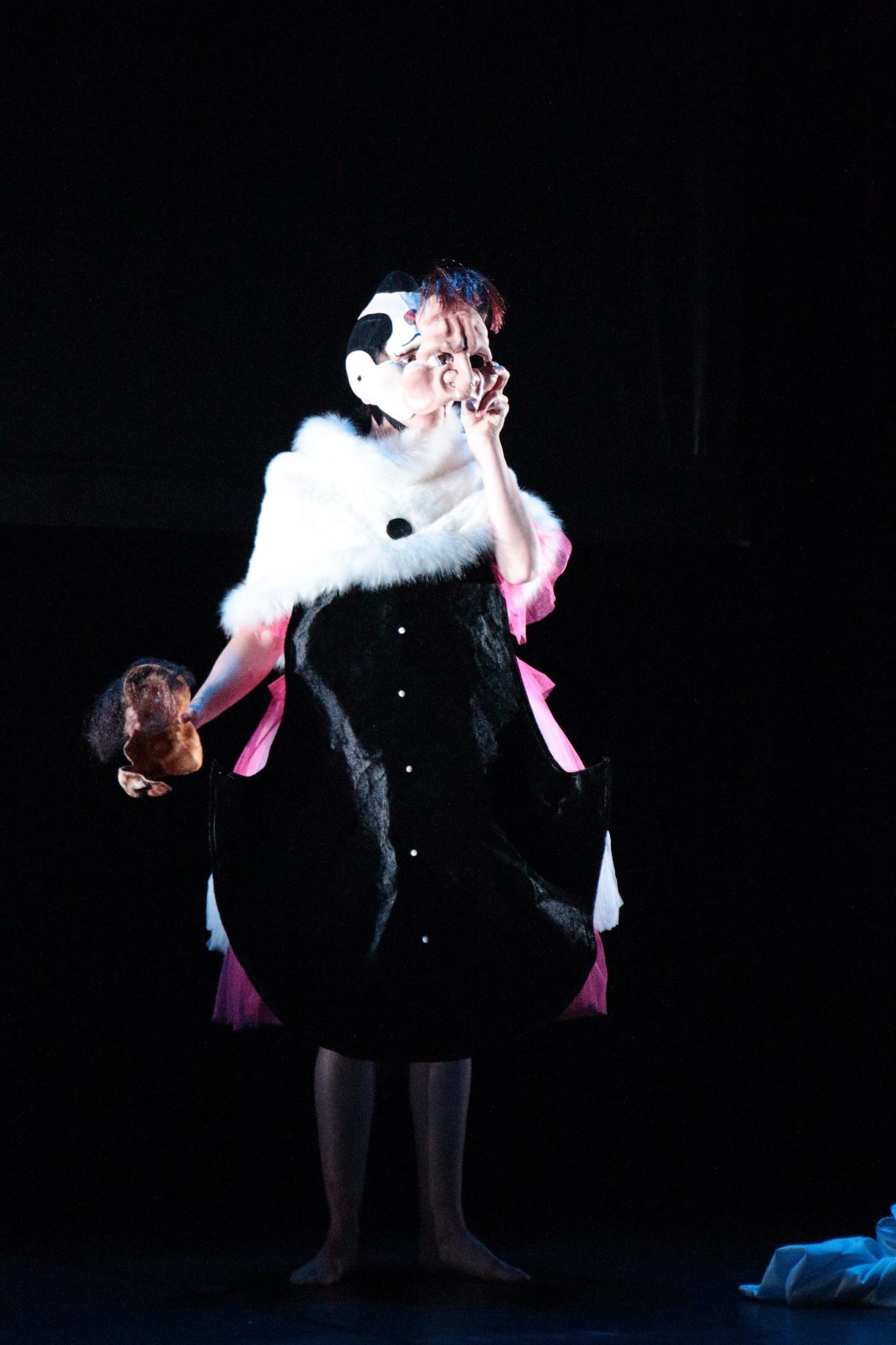
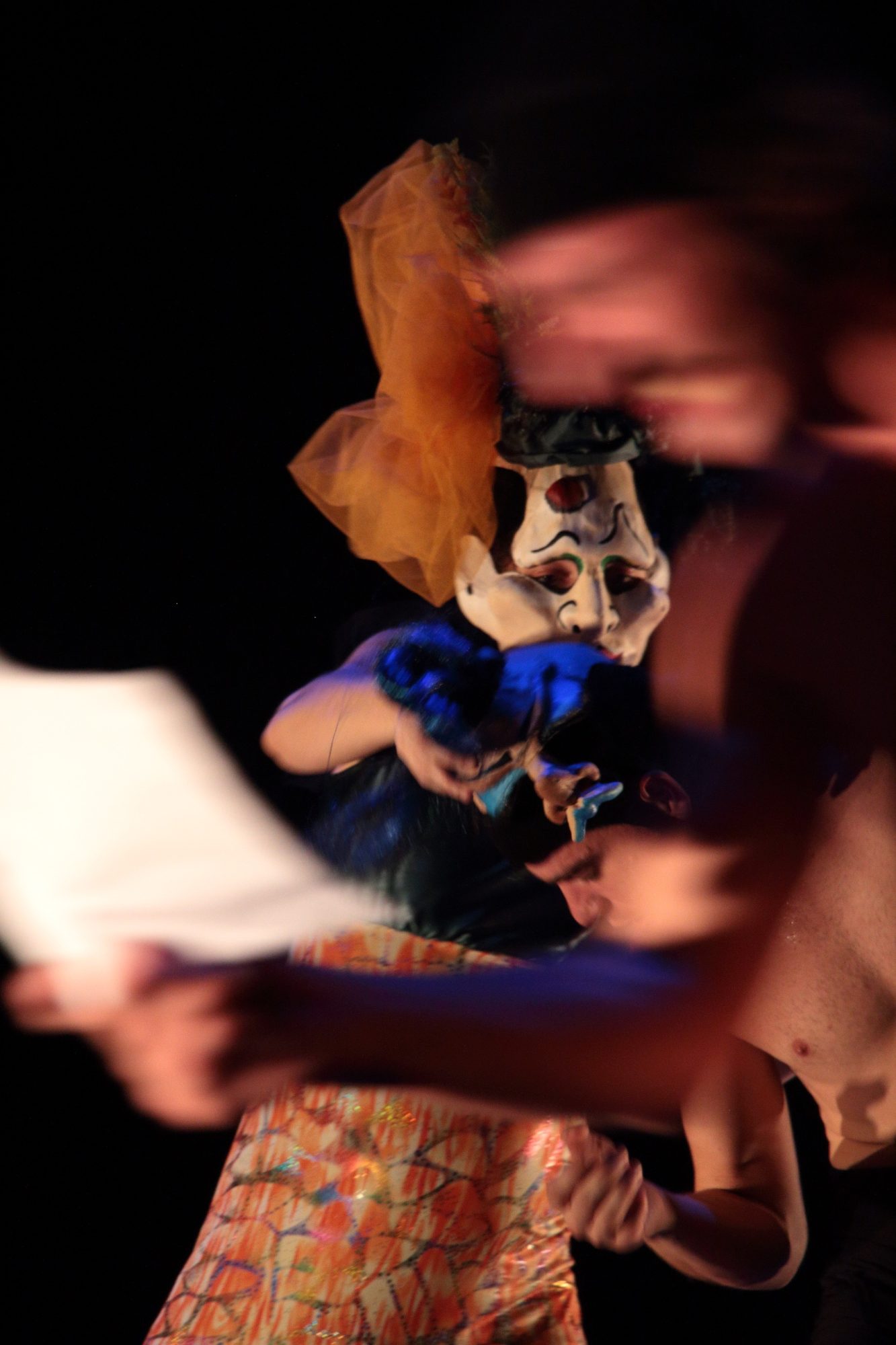
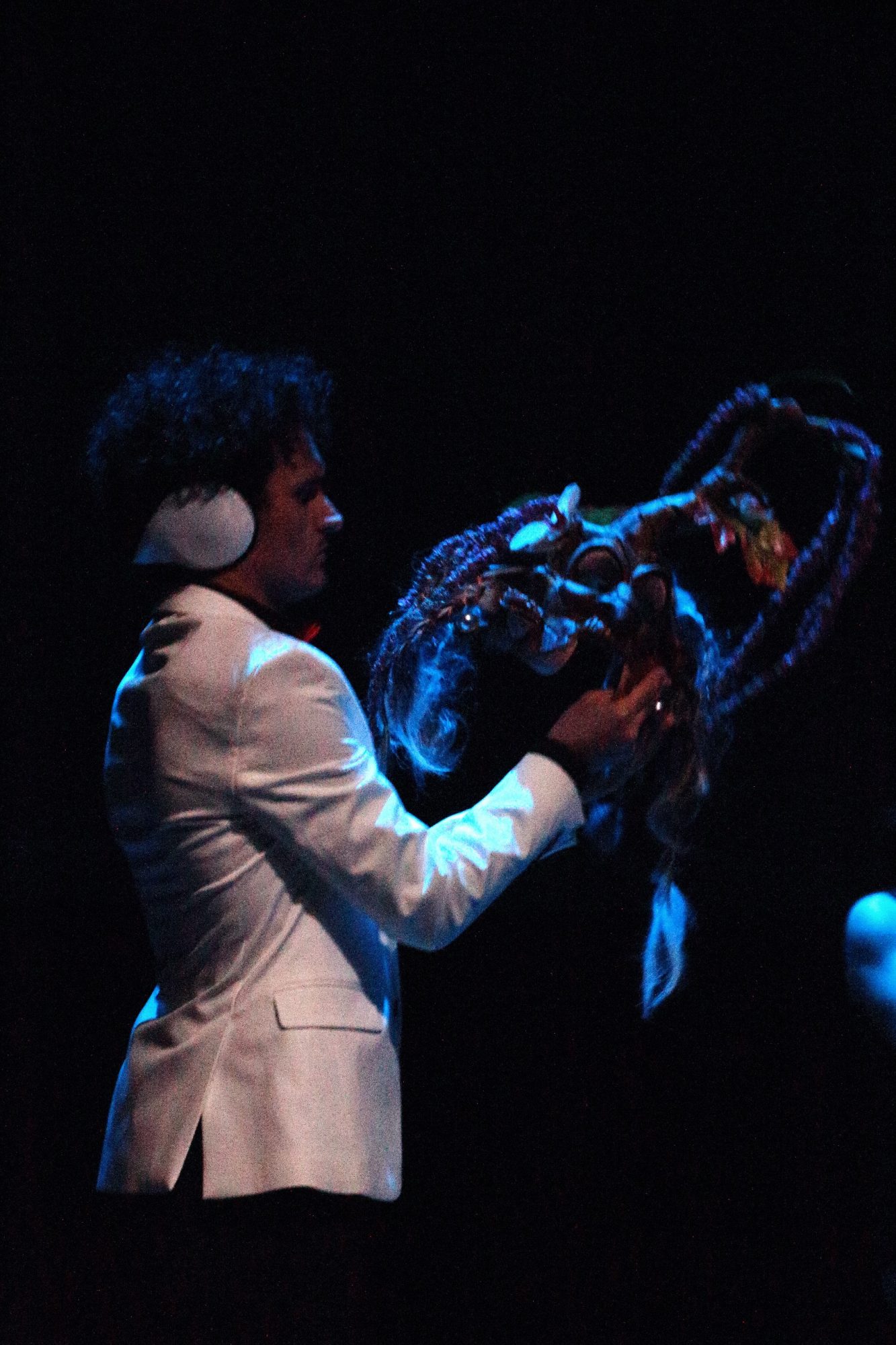
THE MASK
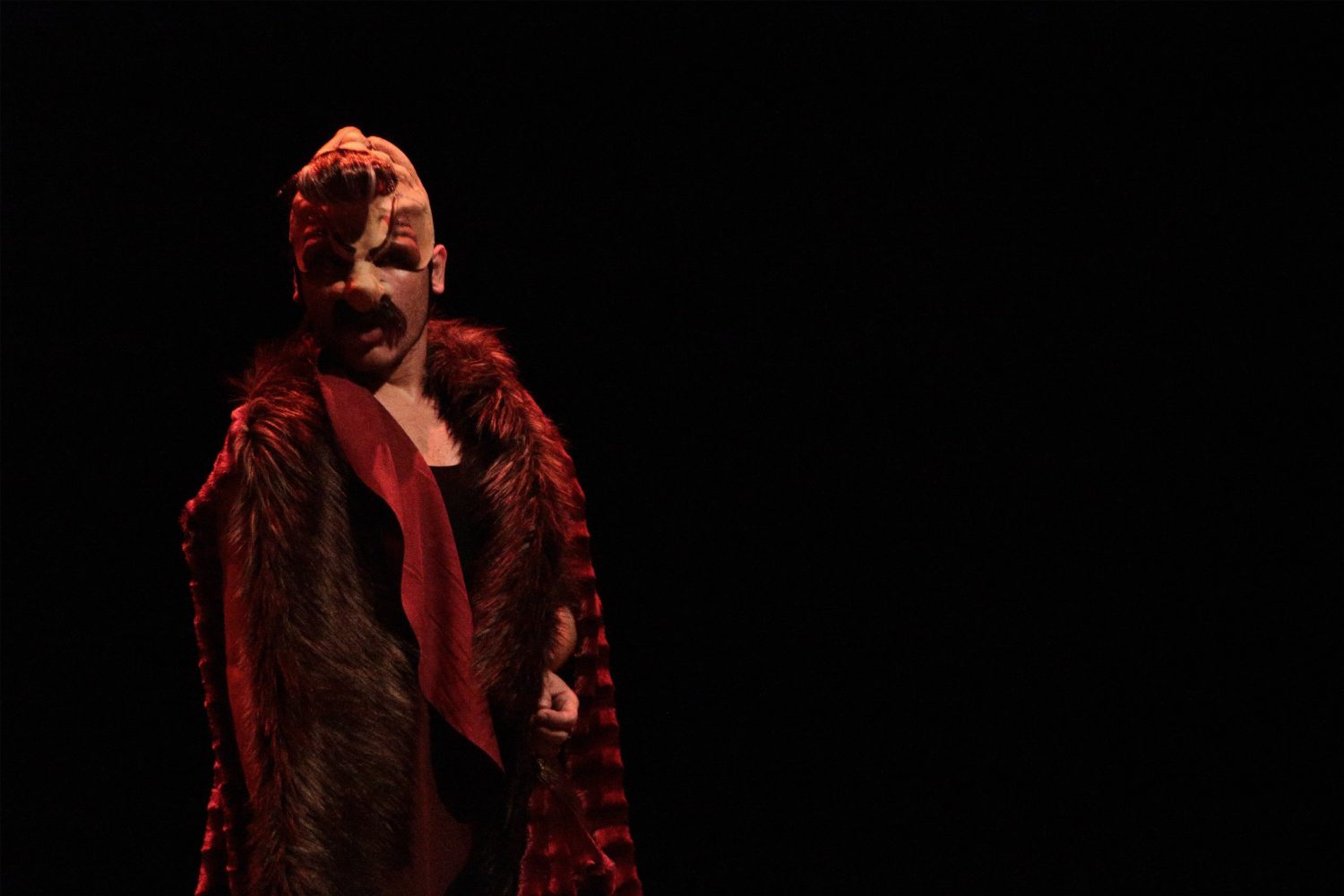
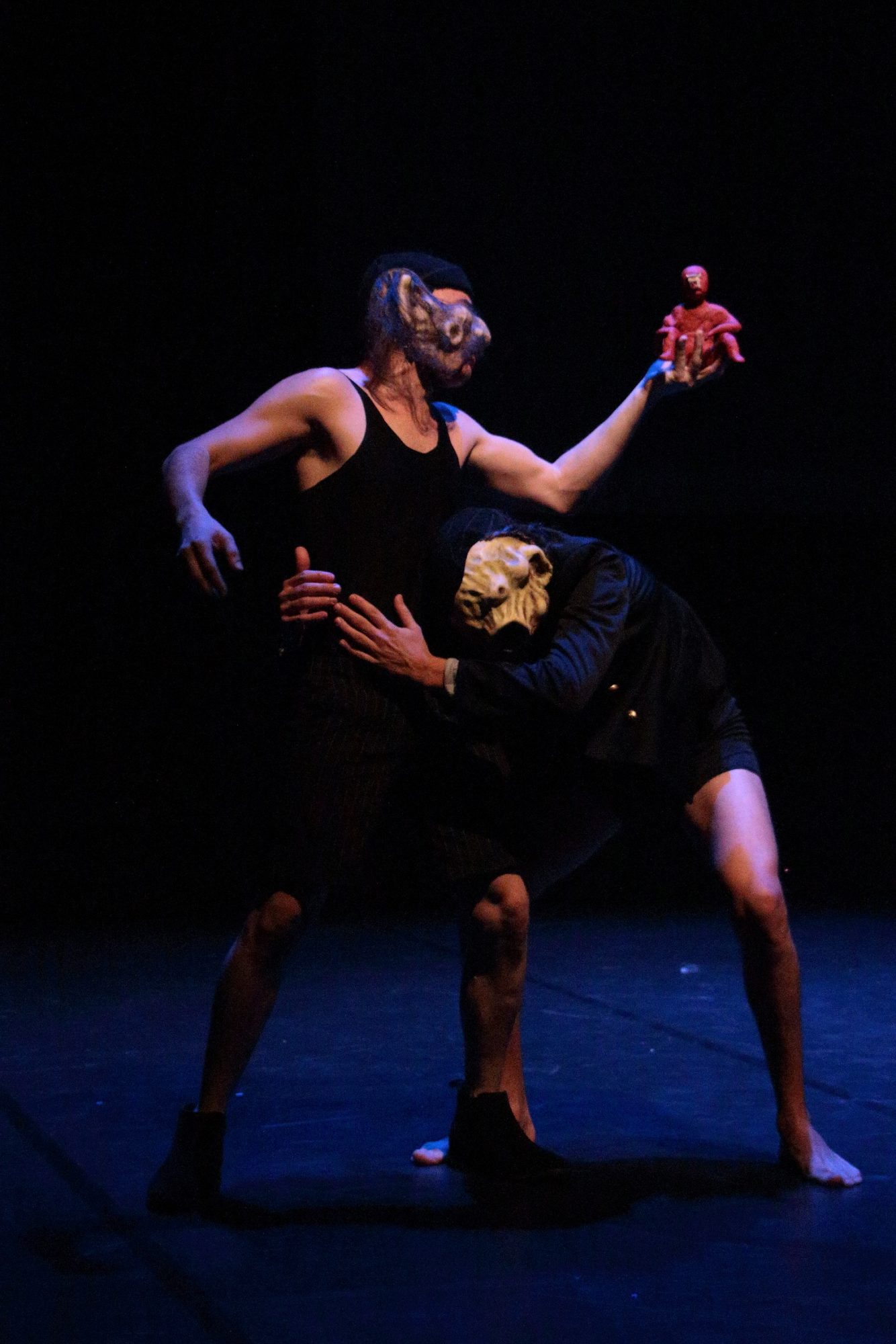
“The fundamental component of the mask is the hollow.
That is the space each of us fills with our essence in order to look at truth without seeing it. The truth is neither the mask nor the person who fills it.
The only truth is the hollow.
The actor must become mask, empty himself and open the hollows where the character will lodge. It is an impossible struggle with the aim of disappearing. The actor must therefore go deeper into his essence, ever deeper, until he can be only hollow. It is in that moment, when the actor can fill himself with hollow, that he can become the mask of any character.
We therefore use the mask to go deeper into the conflicts and the questions. We use the mask to generate a hollow where artist and audience become one and thus look at a truth that exists only while we look together.
It is a commitment of theatre to understand and critique the reality that contains it. Theatre, whether for the artist or for the audience, is a doorway into the hollow that lets us feel what we feel and see what we see — something as easy to do as to forget.
My personal commitment to theatre is to ensure that, in both form and content, it avoids the social tendency toward superficiality. It is to create a hollow where the unknown can be lodged. An exercise for the audience in which they must take ownership of the ultimate meaning of the work and exercise intuition and reason alike.”Matilde J Ciria


SYNOPSIS
Drama in five tableaux for 3 actors and a director
In Lorca’s “El Público” we have found a brilliant void full of answers we cannot manage to understand.
Through this play, Lorca seeks his truth, as artist and as person. A truth that appears camouflaged in poetry and that vanishes each time it is named, a truth that transforms from tableau to tableau, from universe to universe, without disappearing or letting itself be seen.
“El Público” is a cry that fights against the mask. Masks Lorca must wear in his society, in his art, in his private life and even among his closest friends. On the brink of collapse, Lorca embarks on a “hero’s journey” to fight the most dangerous of enemies: the mask that protects him from the truth.
A journey to fight against himself.
Every stage of his journey is captured in “El Público”. A journey of transformation reflected in each of the tableaux, where he sheds mask after mask, discovering deeper facets of his person, his art and his relationships. But behind each mask he always finds another mask to deal with. Finally, defeated, he accepts the mask as inevitable truth. Because, if necessary, we are capable of turning truth into mask in order to escape it.
In PUBLICO X LORCA, we have faced the same journey. We have tried to remove our masks one by one during the creative process and, like Lorca, we have failed, for we always find another mask waiting.
We travel through one transformation after another, pushing to the limit the very theatrical structures that hold us up, trying to discover what we cannot see: the last mask. The mask we cannot take off.
We invite you to enter the theatre and tear out your audience eyes, to look with the eyes of skin and heart, with the eyes of the child Lorca.
THE SHOW
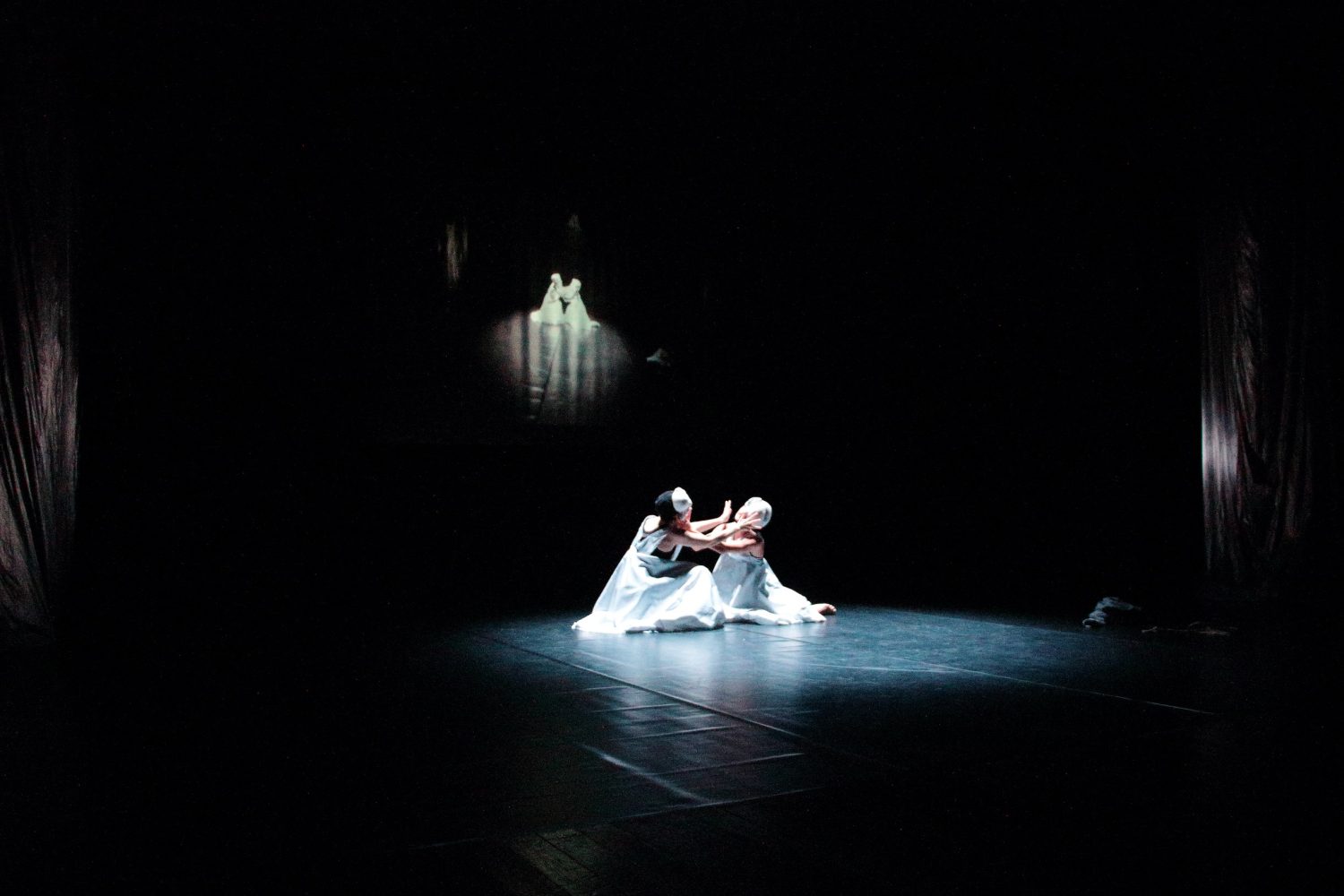
PÚBLICO X LORCA is a proposal centred on the research and interconnection of scenic languages that amplifies the emotional journey of Lorca’s world in order to rewrite it on the bodies of the performers; thus the audience, far from witnessing a passive representation, will be challenged to let themselves be permeated by a real scenic experience.
Our show draws on the powerful images proposed in the poetic landscape of the text El Público (1936). We have dismembered Lorca’s work — until finding its heart and its brain, its liver and its lung — to enter the theatre of the conscious and the unconscious, of thought, imagination, body, emotion and symbology; we have torn it apart until finding the nucleus that stimulates us, to rediscover it and extract its essence; and finally to confront the spectators with themselves and their commitment as AUDIENCE, the true protagonist of the work.
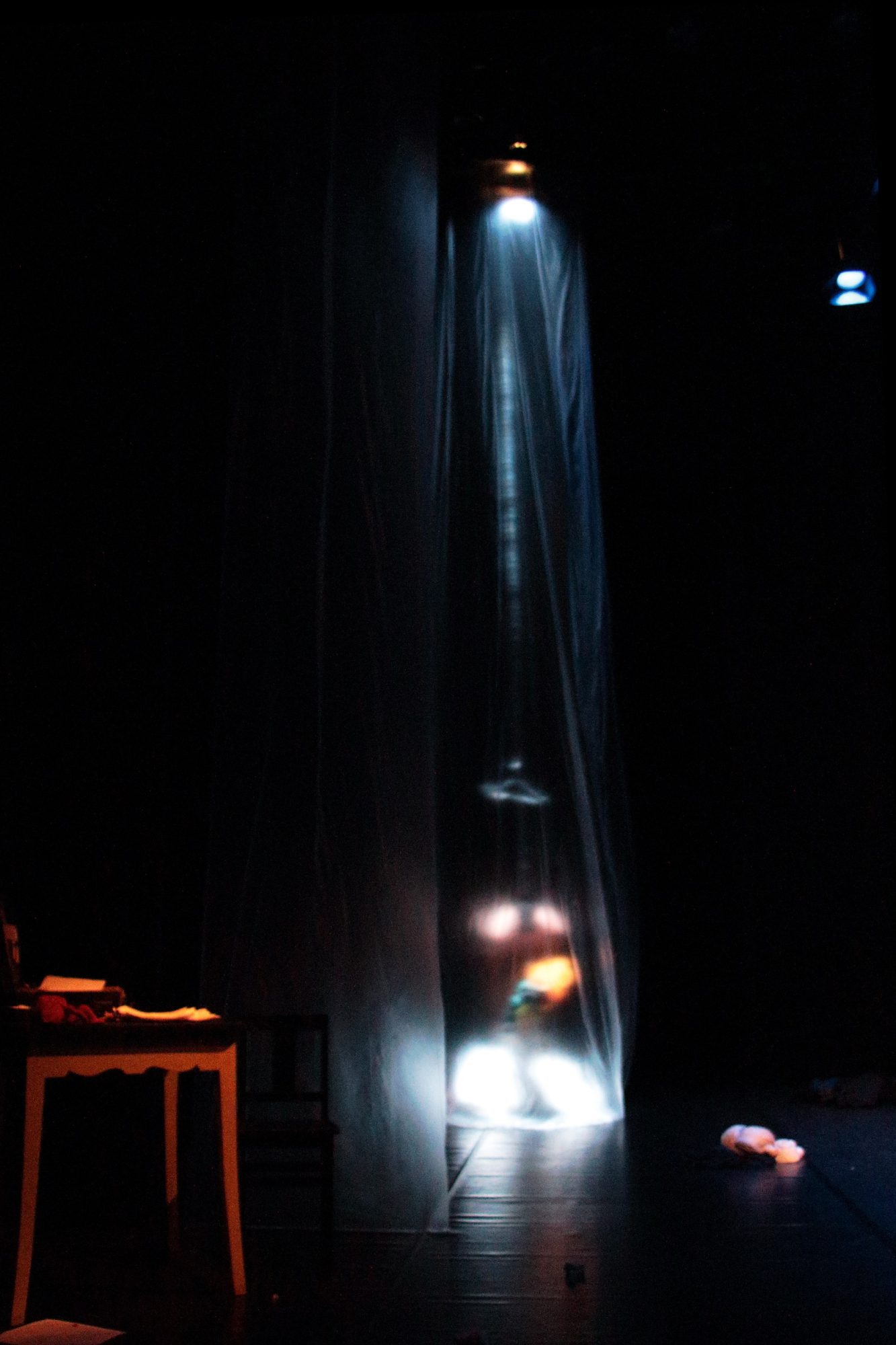
In this way PÚBLICO X LORCA proposes a new scenic language that re-situates the spectator in this world among other beings through a journey toward physical, emotional and spiritual self-awareness. In practice, the eye of Lorca — a camera broadcasting live to the back of the stage — will be charged with breaking the fourth wall so that the audience can see itself being watched.
Those present will encounter a current, novel re-interpretation of El Público, fed by the team’s varied experience and interculturality, but above all honest and committed, where emotions, actions and forms are the protagonists of the work, with the body as the main tool and the text as inspiration rather than rule — for Lorca himself dares us to take on his “unstageable” play.
GALLERY

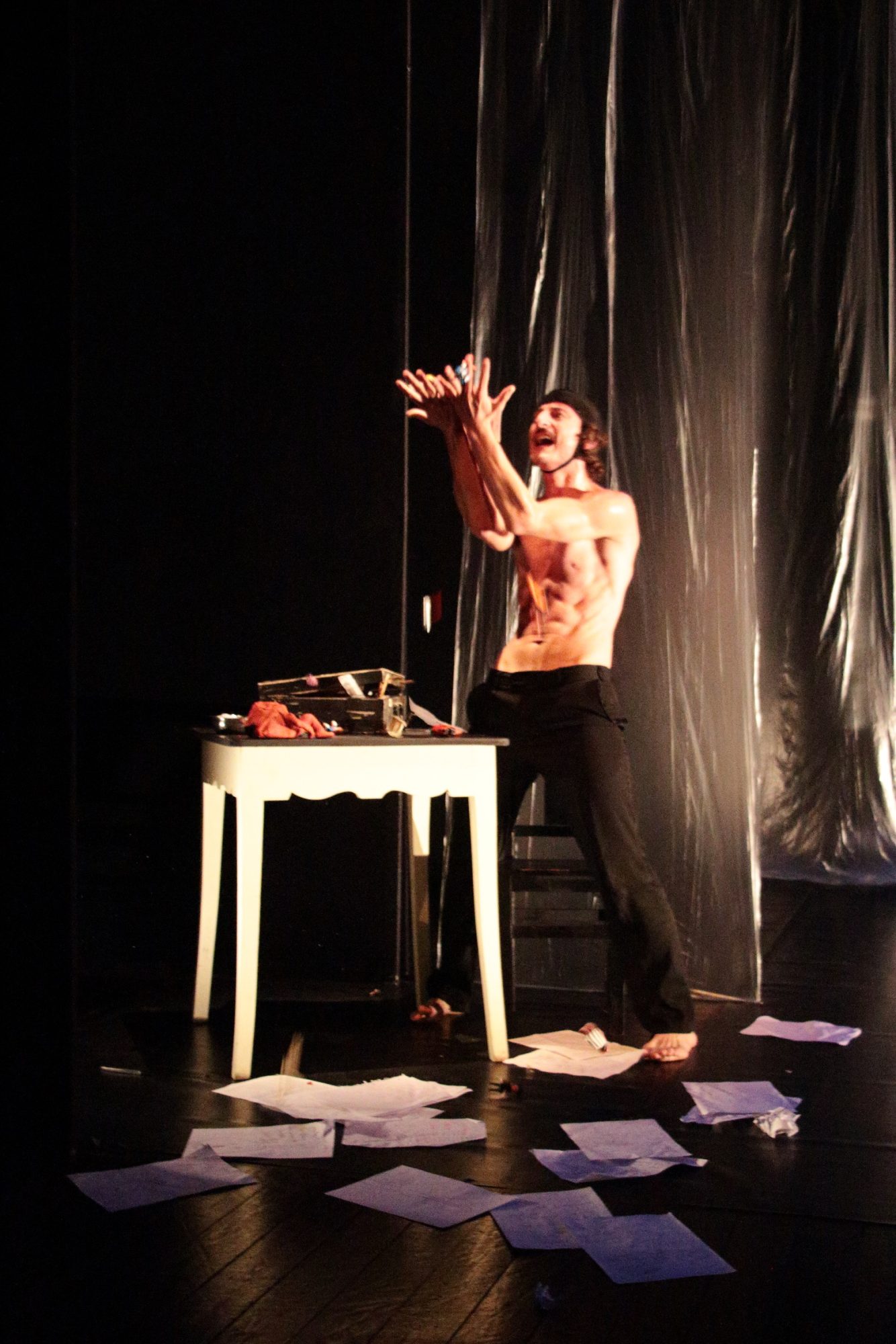
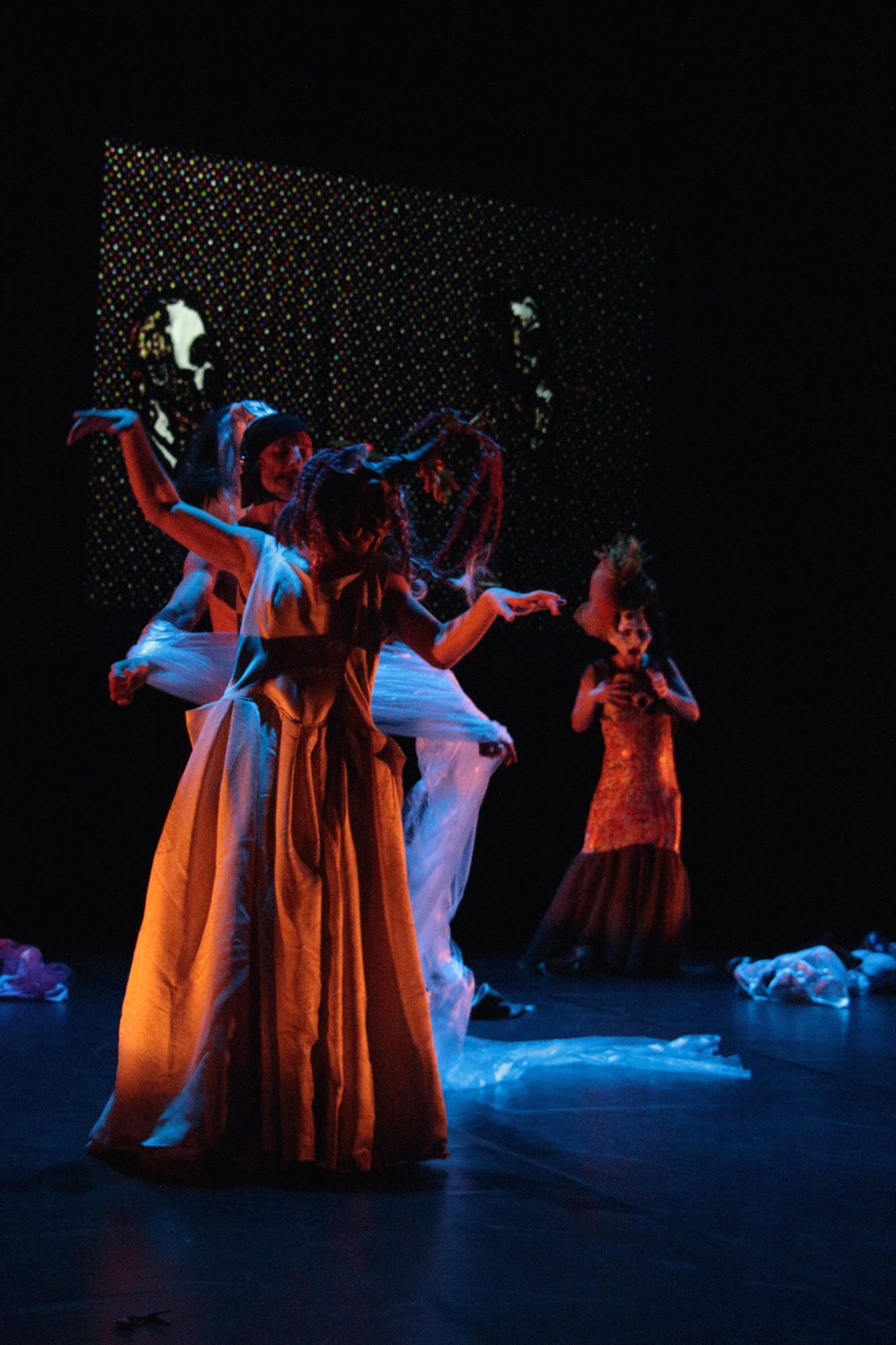
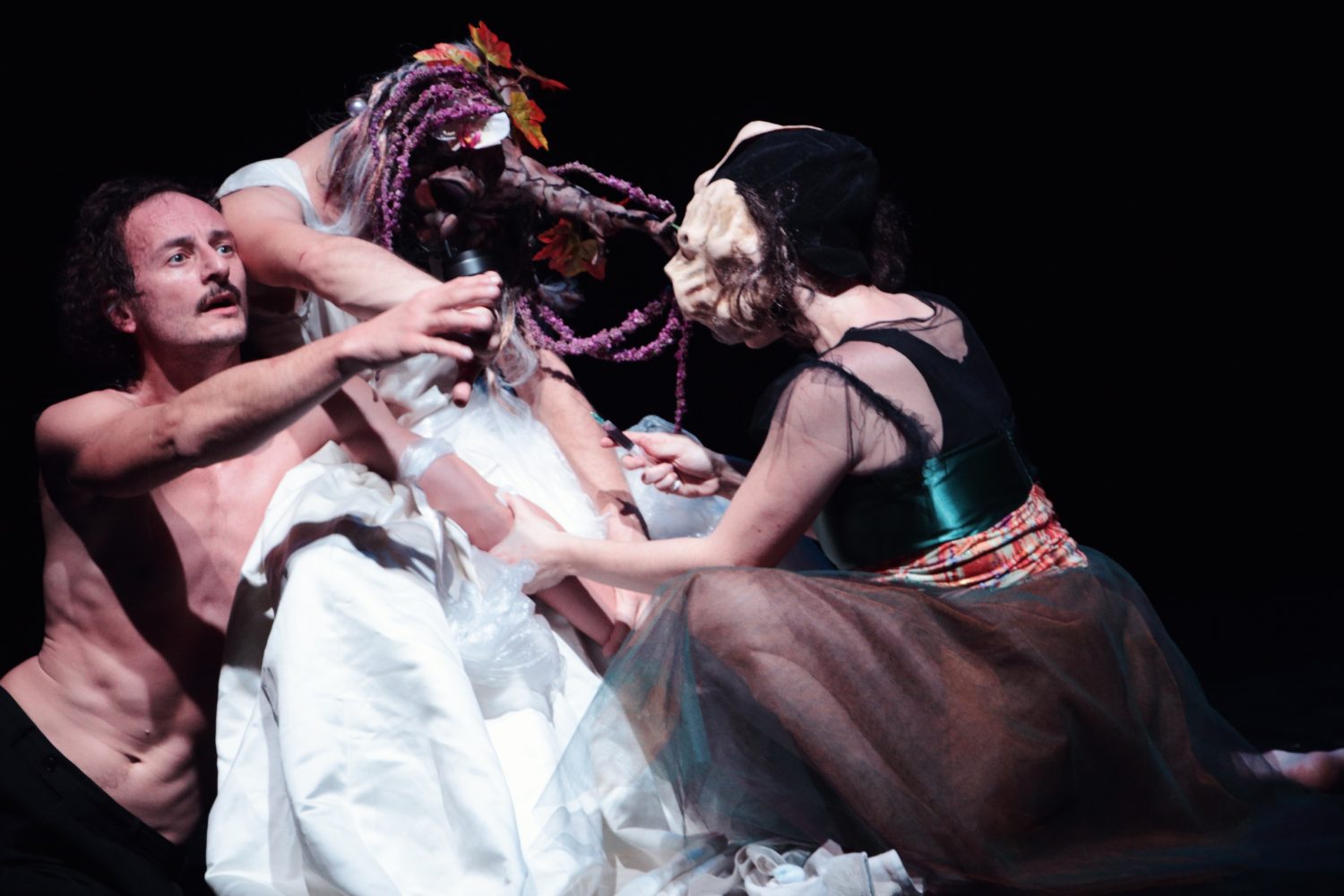
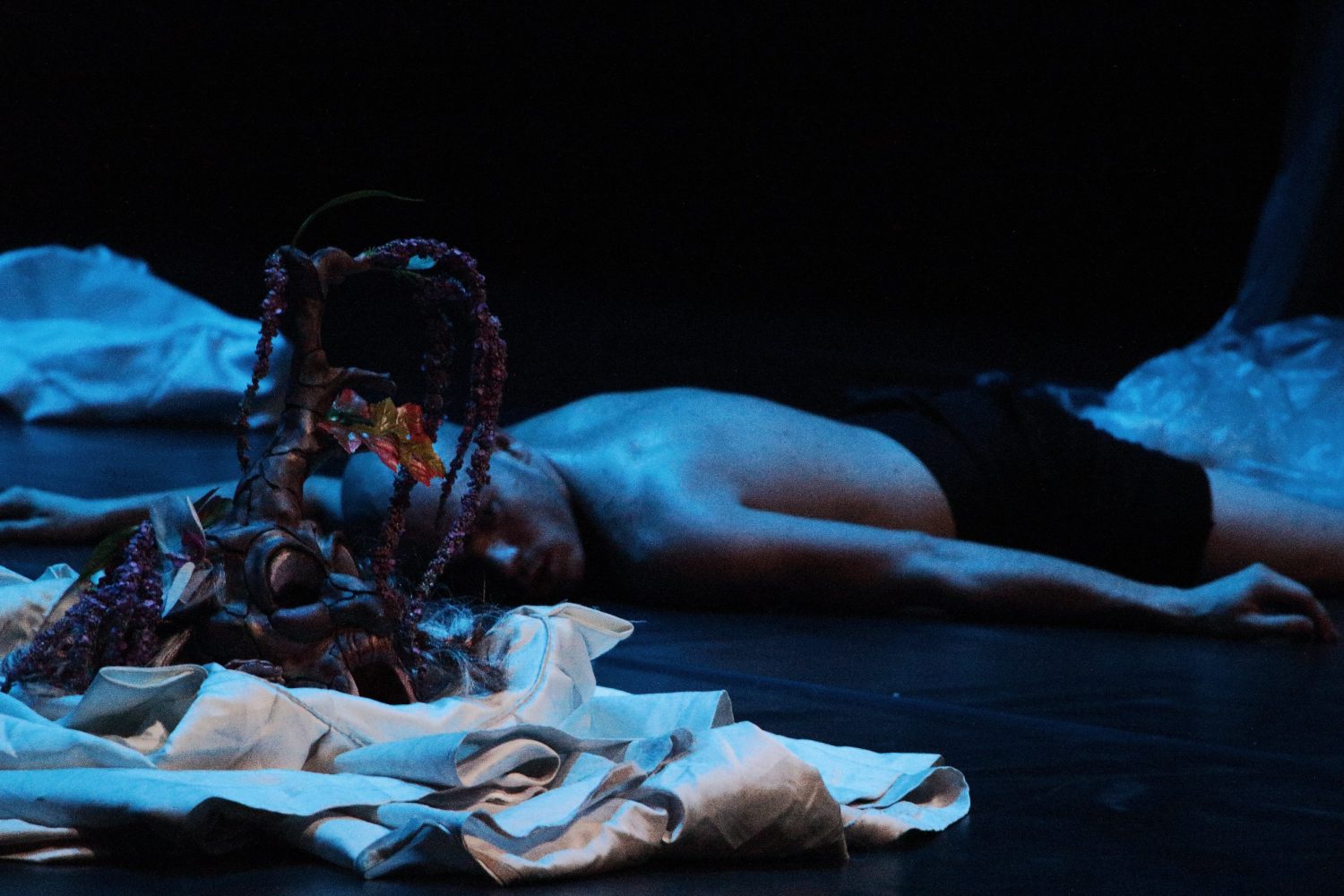
ARTISTIC CREDITS
· Classification: Theatre / Physical theatre / Butoh / Multimedia
· Creation: 2018
· Duration: 60 min
· Age rating: 16+
· Performance: Arturo Campo (CR), Eduardo Retamar (ES), Matilde Javier Ciria (ES), Rafaela Bidarra (PT)
· Adaptation and direction: Matilde Javier Ciria (ES)
· Dramaturgy assistance: Pablo de las Vecillas
· Visual direction: Carolina Santos (PT)
· Masks: Maxence Thireau (FR), Carolina Santos (PT)
· Original music: Fabian Arroyo (CR)
· Technical direction and lighting design: Jorge Ribeiro (PT)
· Graphics and photography: Carolina Santos (PT), Marco Martins (PT), Rafaela Bidarra (PT), Eduardo Retamar (ES), Matilde Javier Ciria (ES), Stephanie Campos (CR)
Funding and support:
iberescena · tictak producciones · teatro de cerca de são bernardo · a escola da noite · teuc · teatro bando · associação gremio de músicas