
“Perhaps madness is nothing but reason presented under a different form.”
Goethe
CONCEPT
What would happen if you could manipulate another person’s mind? This unsettling question takes form in Arquitectos de la locura, a scenic experience where the audience transcends its role as spectator to become an architect of someone else’s madness.
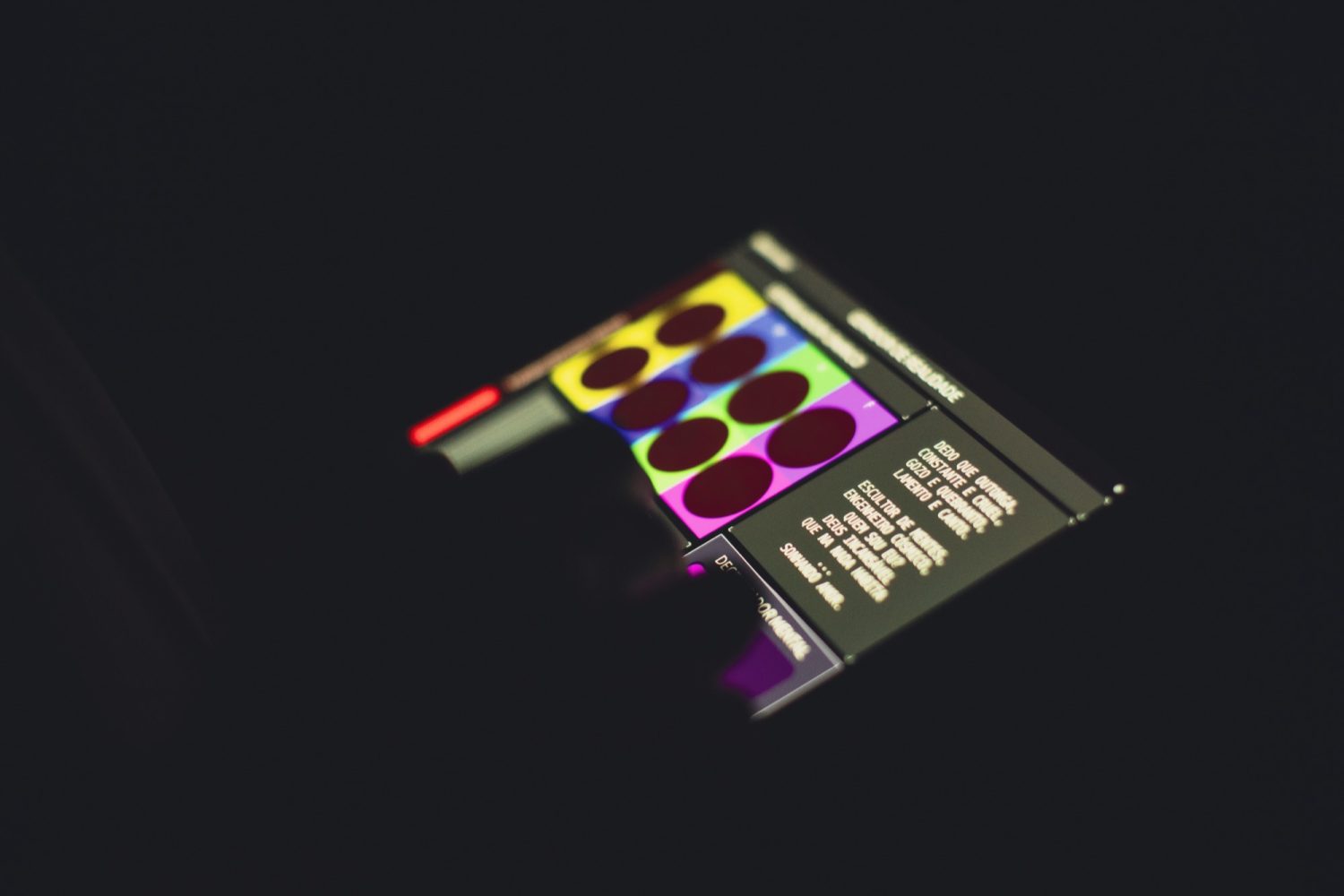
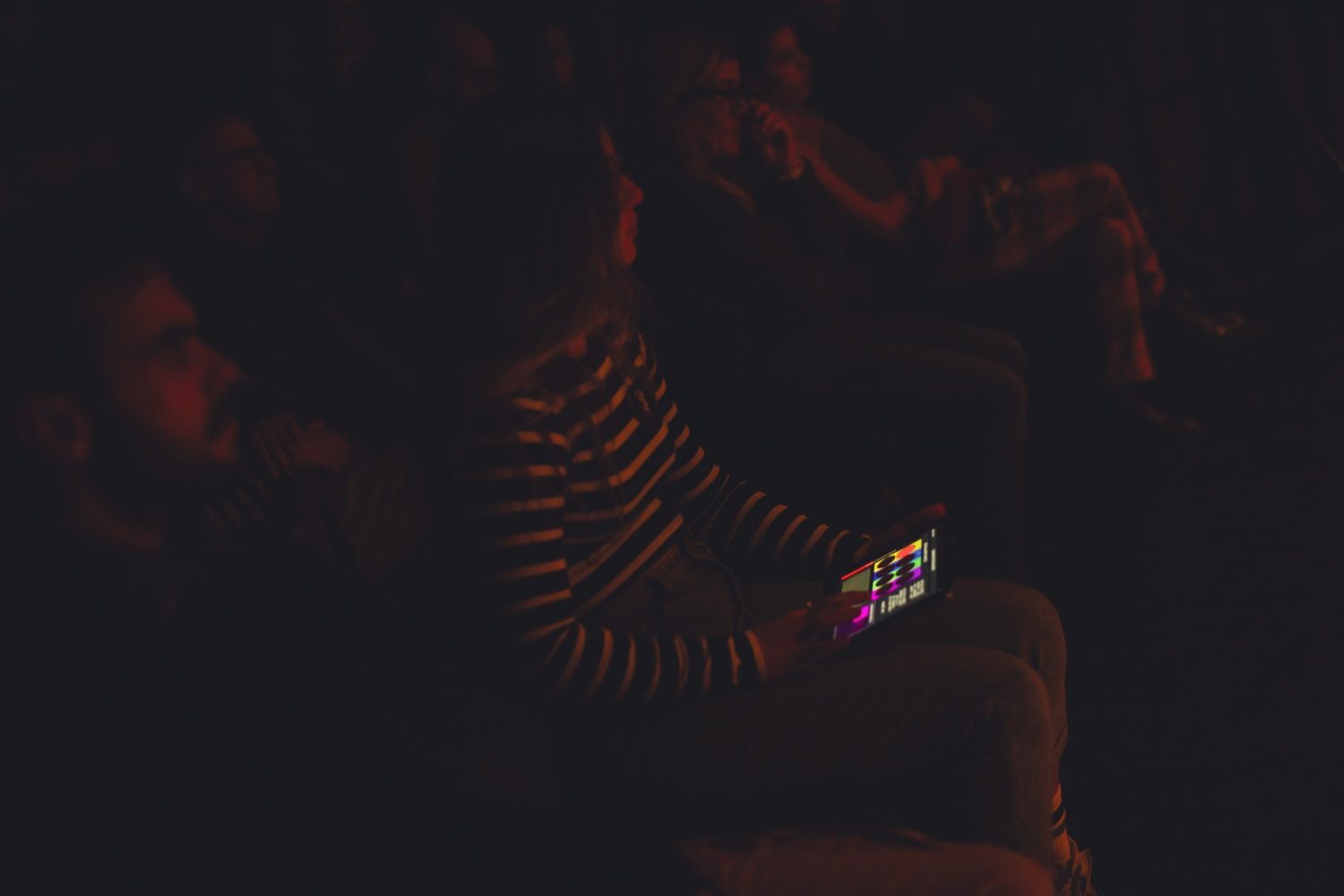
Developed as a research into psychic fragility in the digital age, this project has evolved into a real-time laboratory of human behaviour. Through four interactive tablets, spectators directly control the emotions, thoughts and perceptions of a performer who mentally disintegrates before their eyes, becoming a victim of the “voices in his head”.
The work interrogates our relationship with technology as an extension of power over another’s psyche. At a historical moment where mental manipulation has grown sophisticated to unimaginable levels, Arquitectos de la locura works as a disturbing mirror returning the image of our own condition: are we really gods of technology or its most devoted slaves?
STRUCTURE
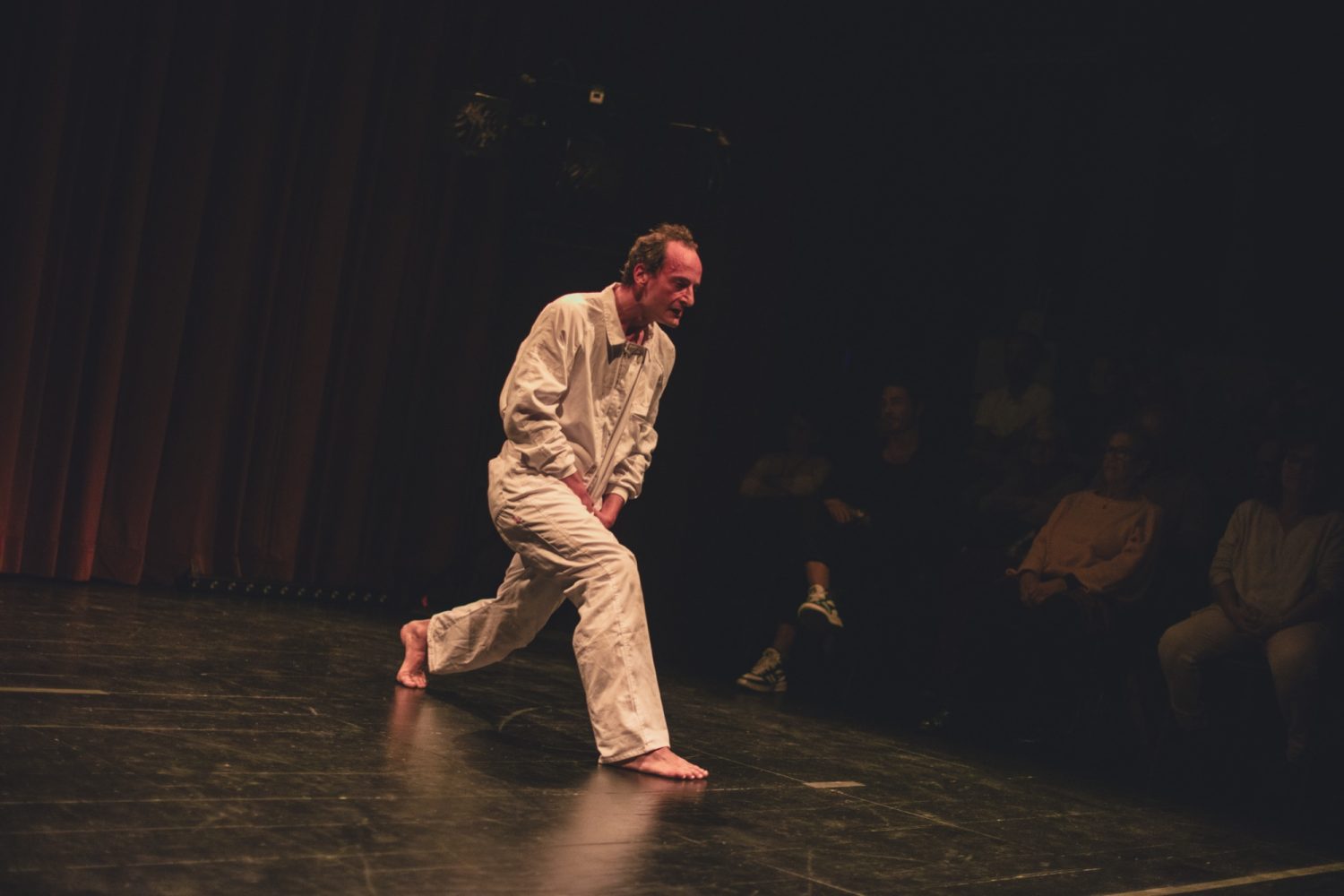
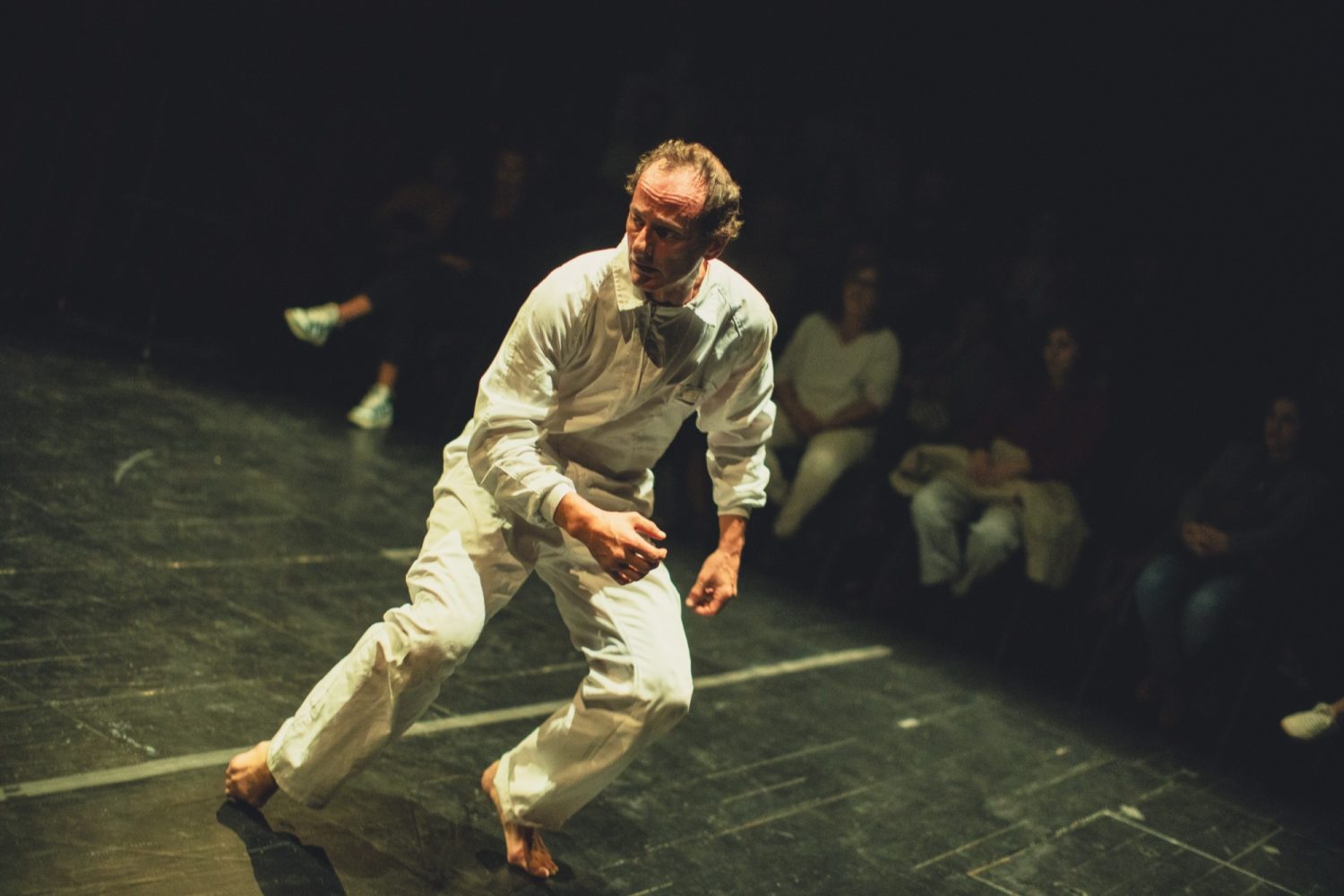
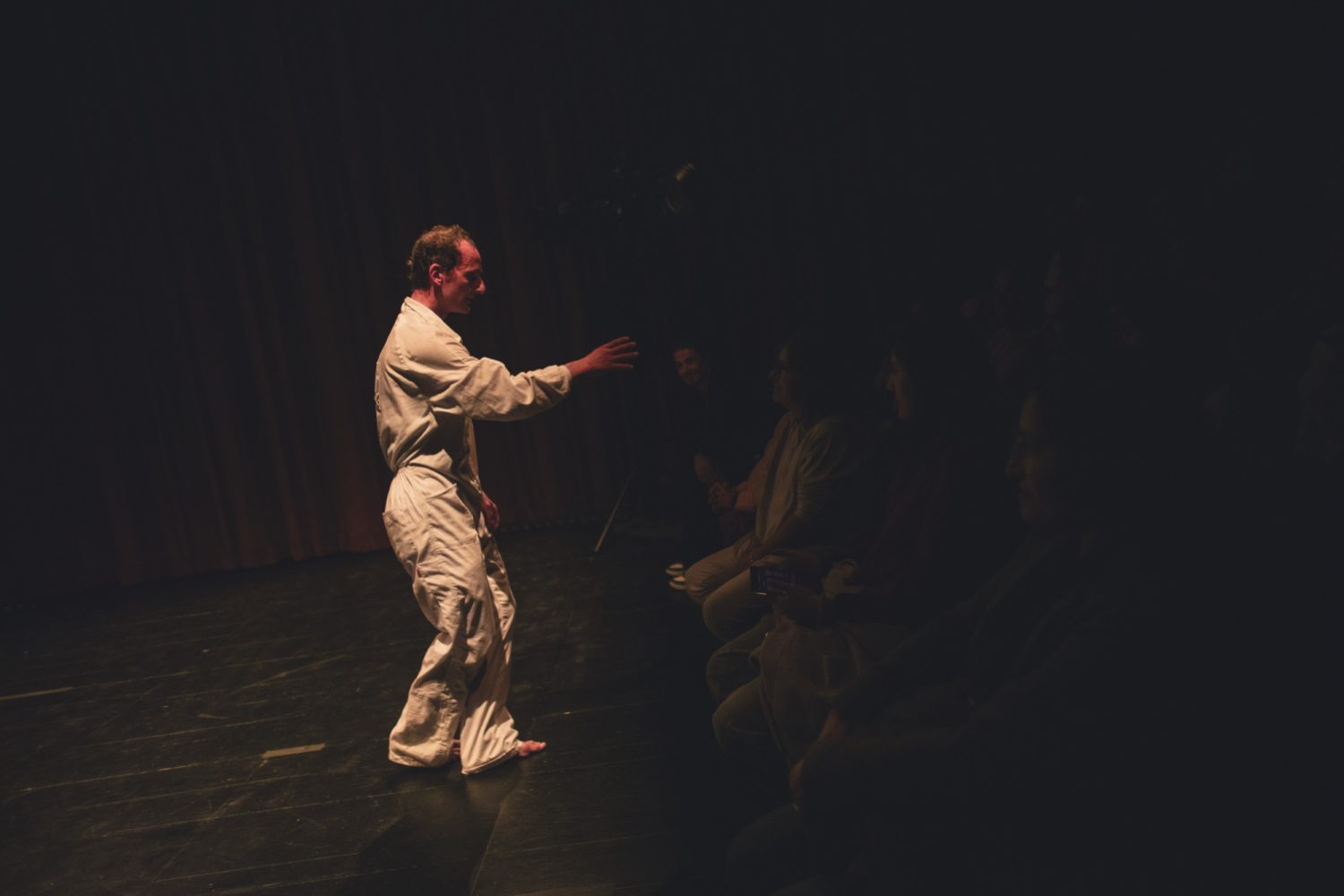
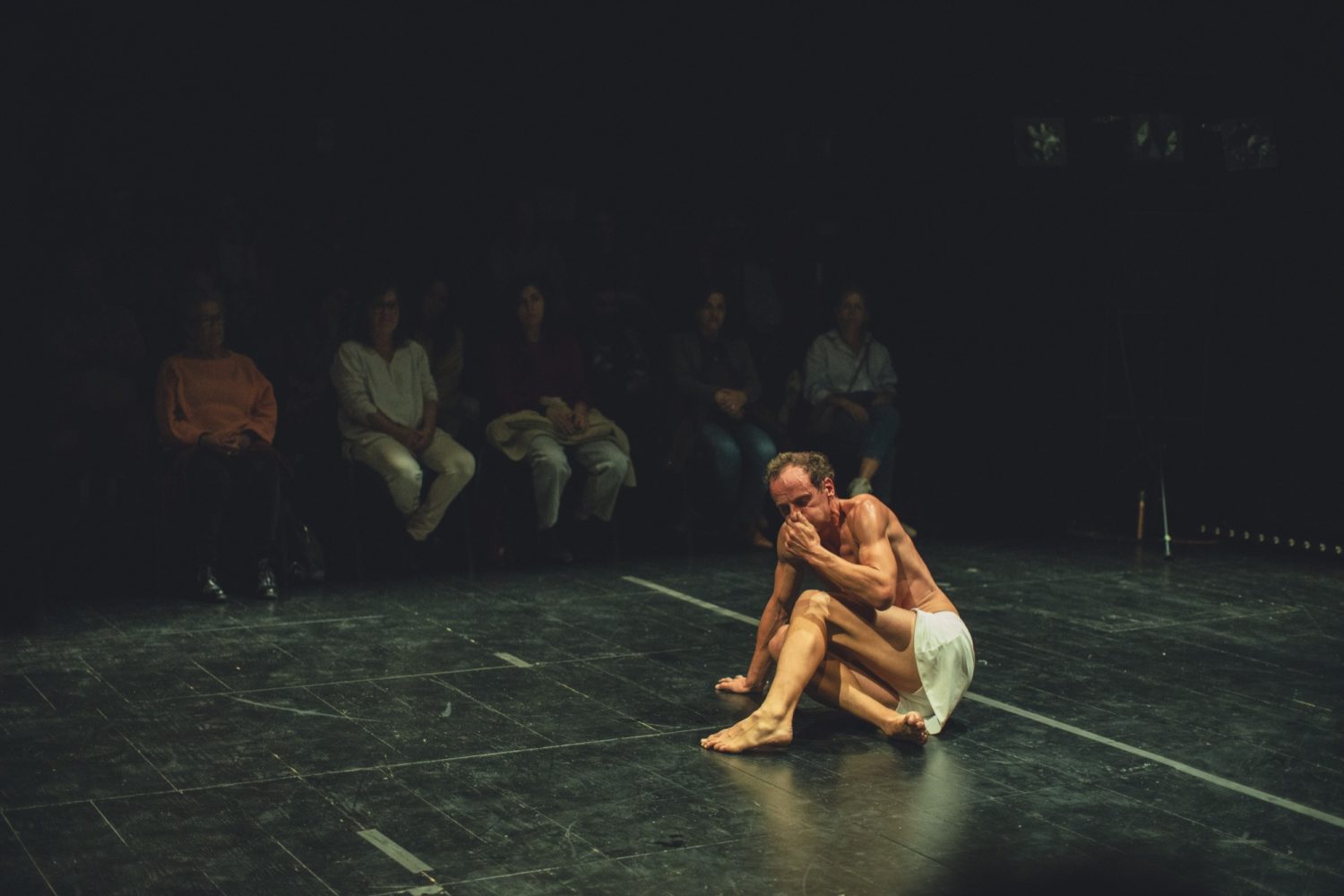
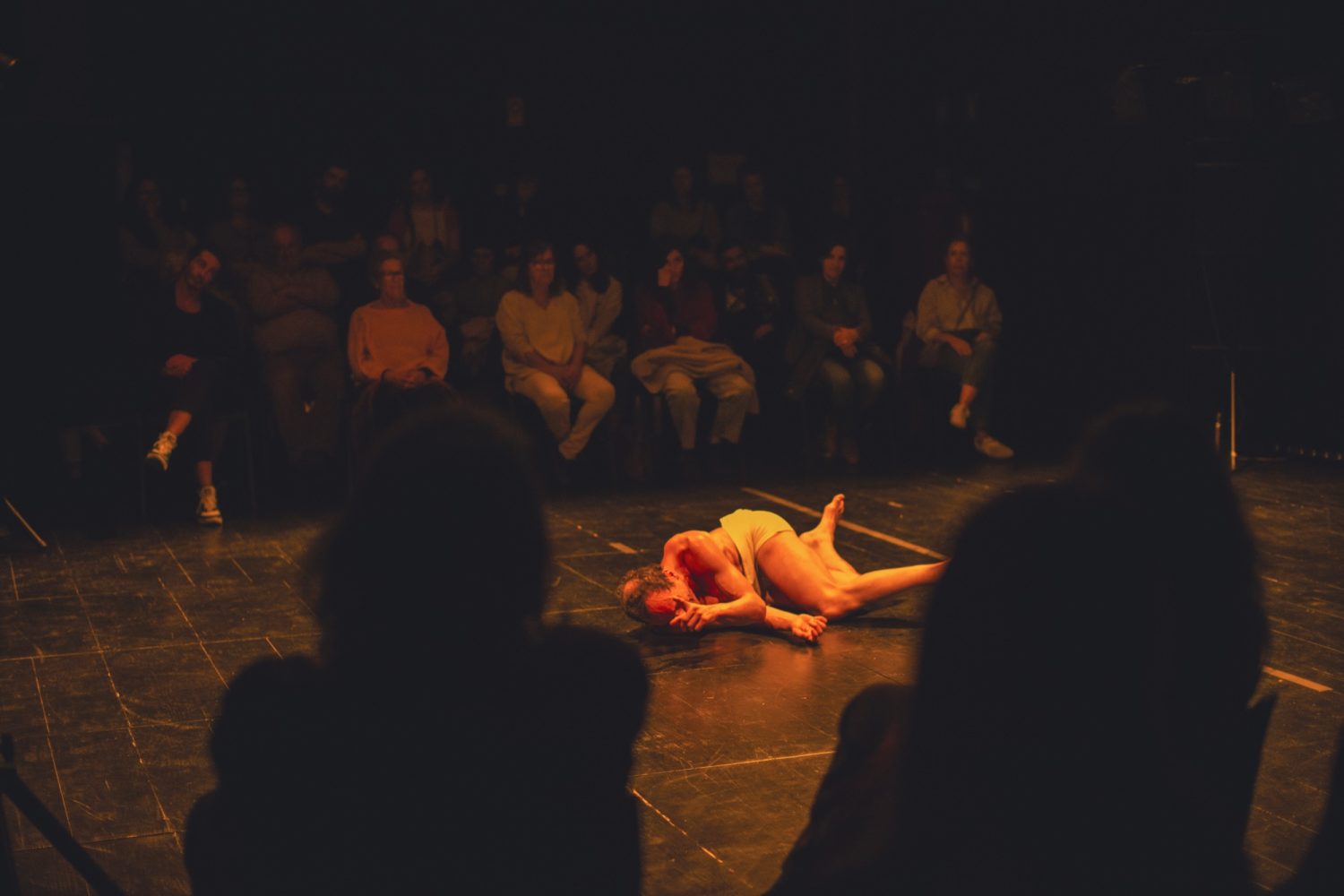
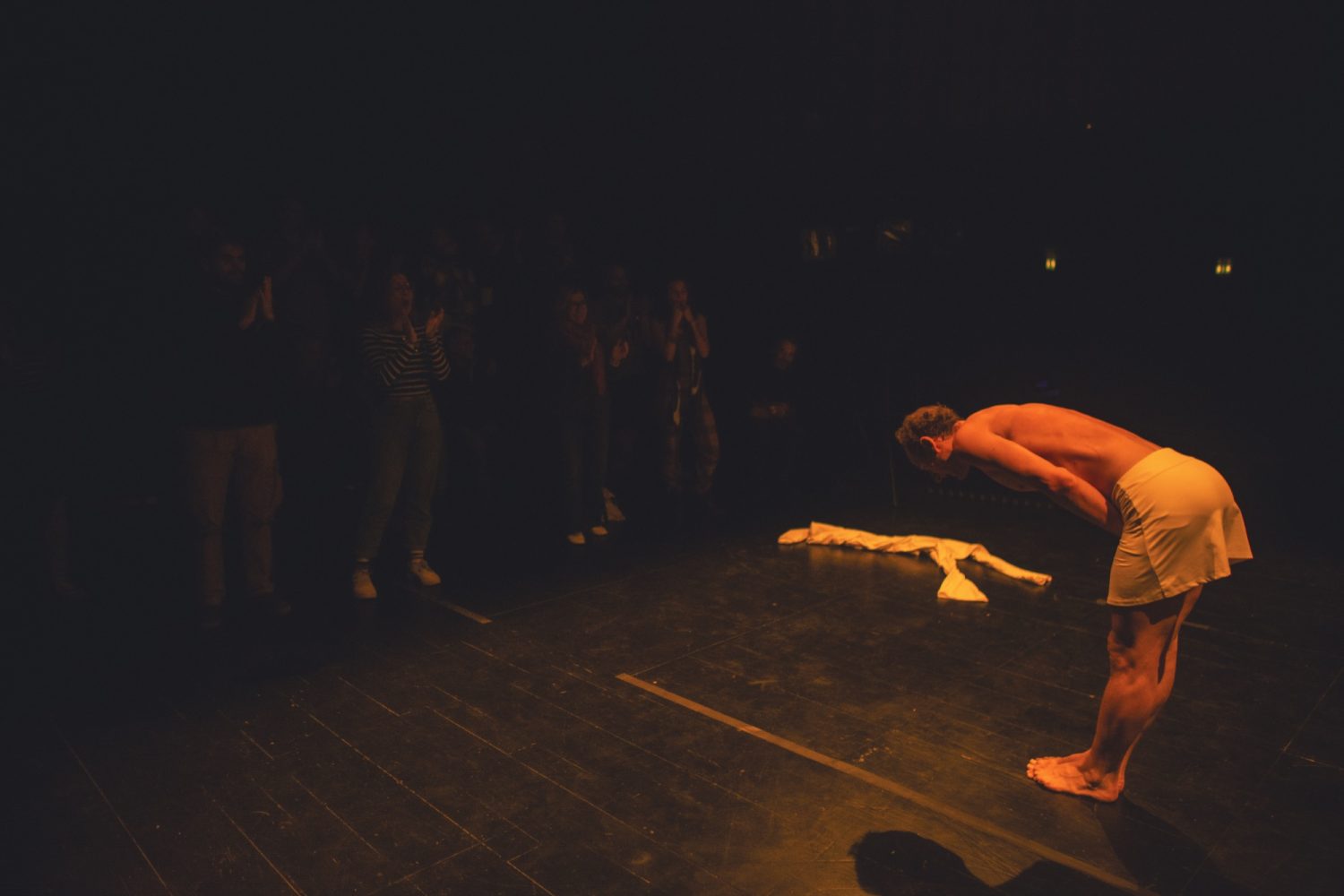
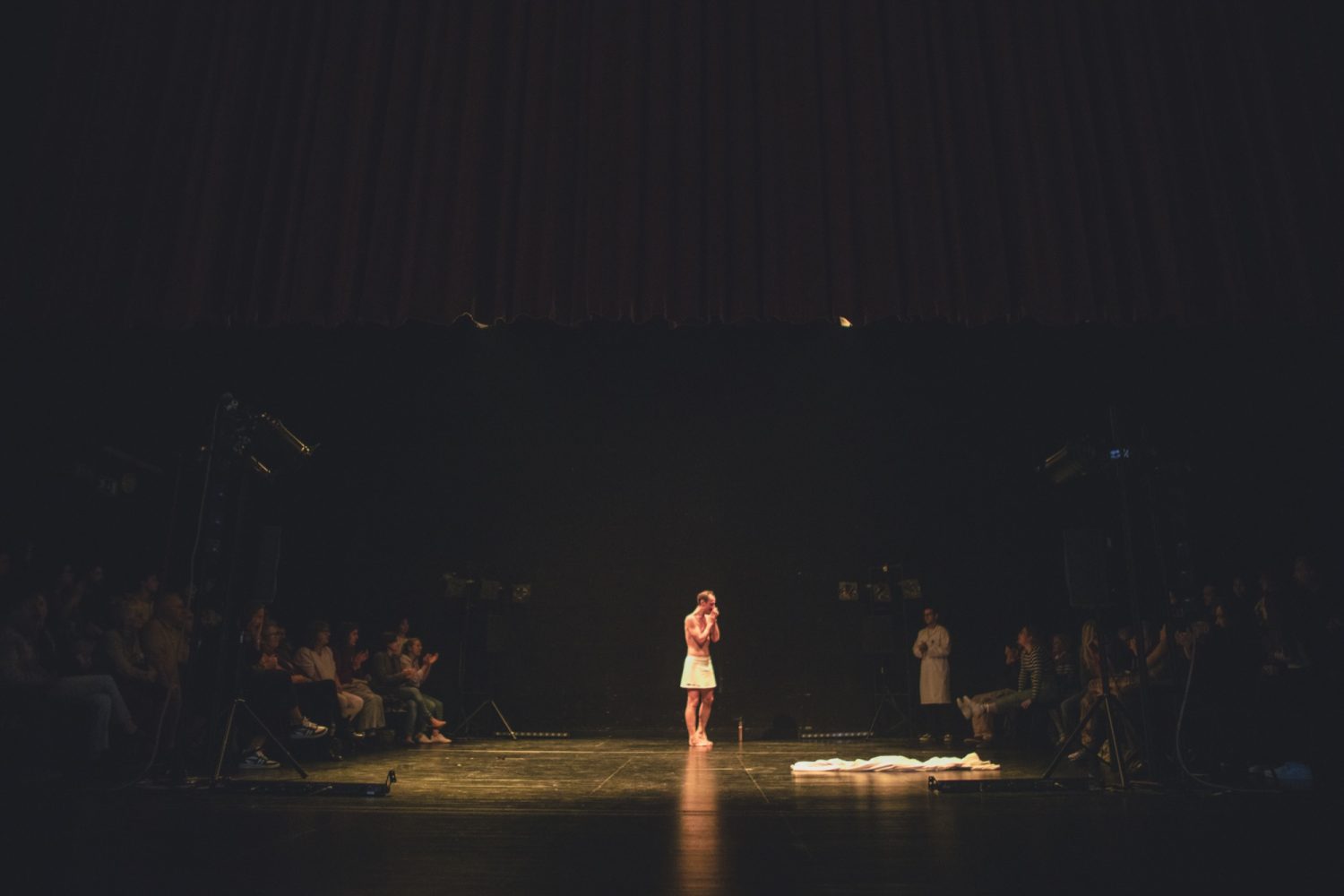
The arrangement of the audience in two facing fronts creates a space of mutual observation. This configuration lets each spectator live a dual experience: manipulator of another’s psyche when using the tablets, and witness to the manipulation when observing others’ decisions.
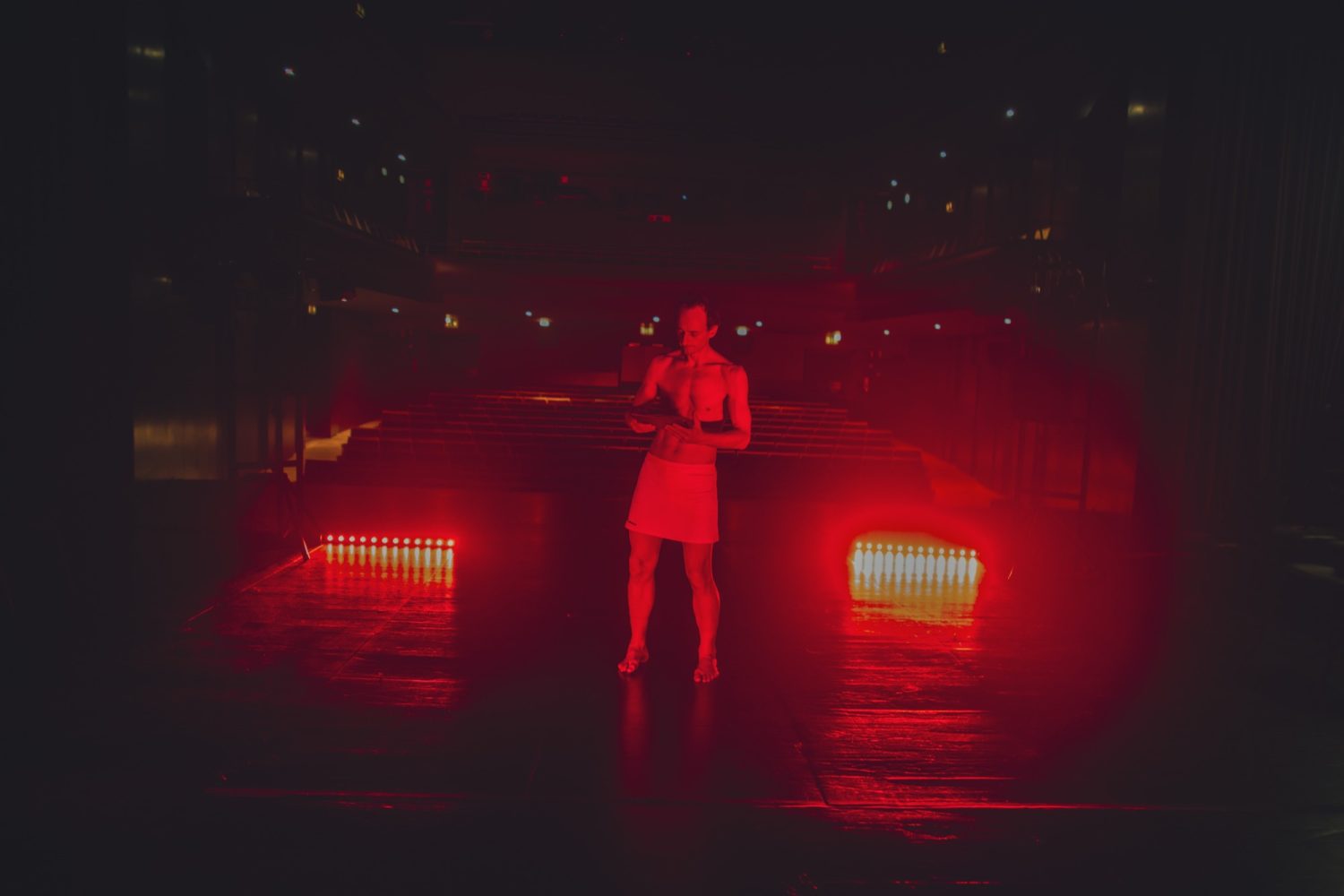
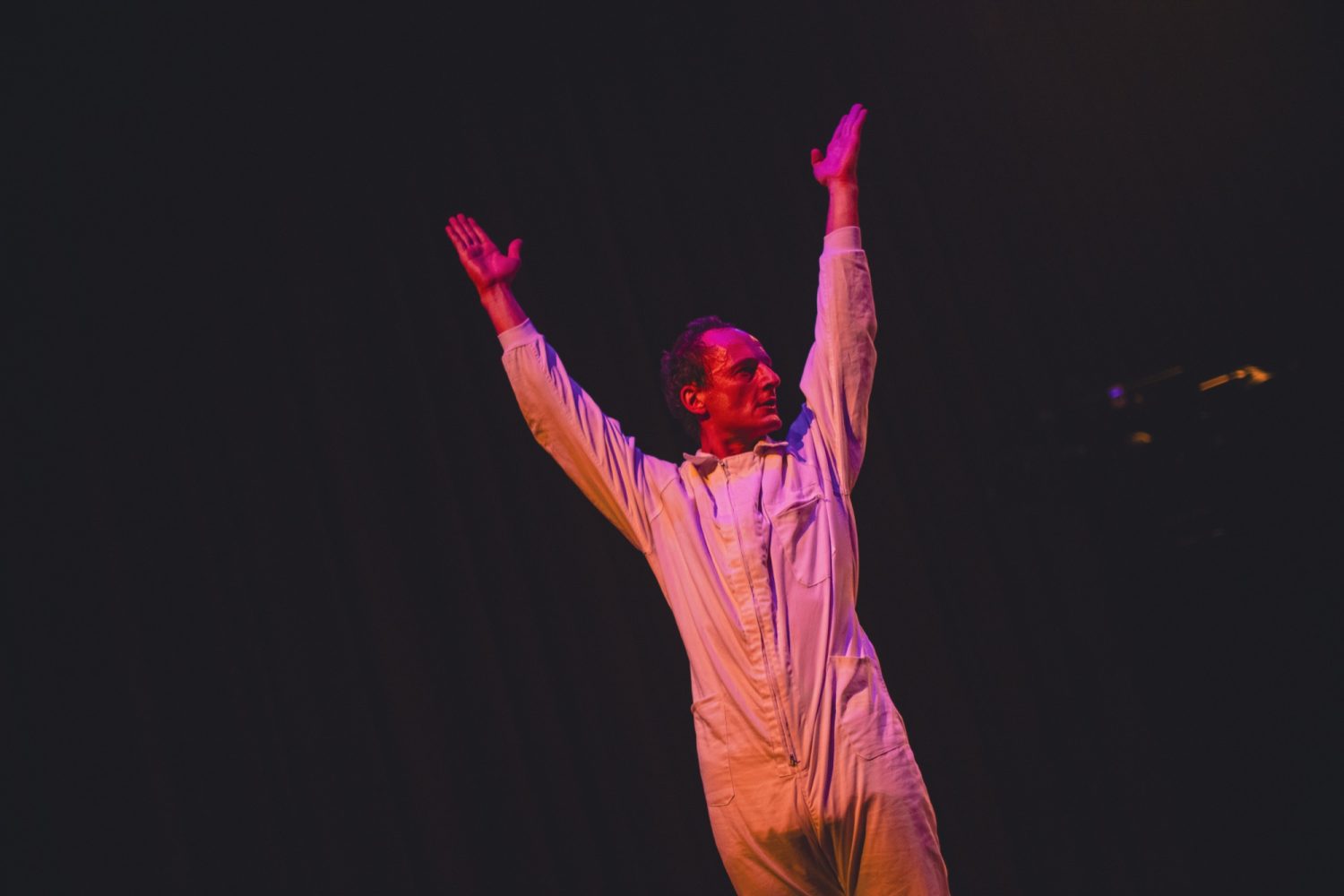
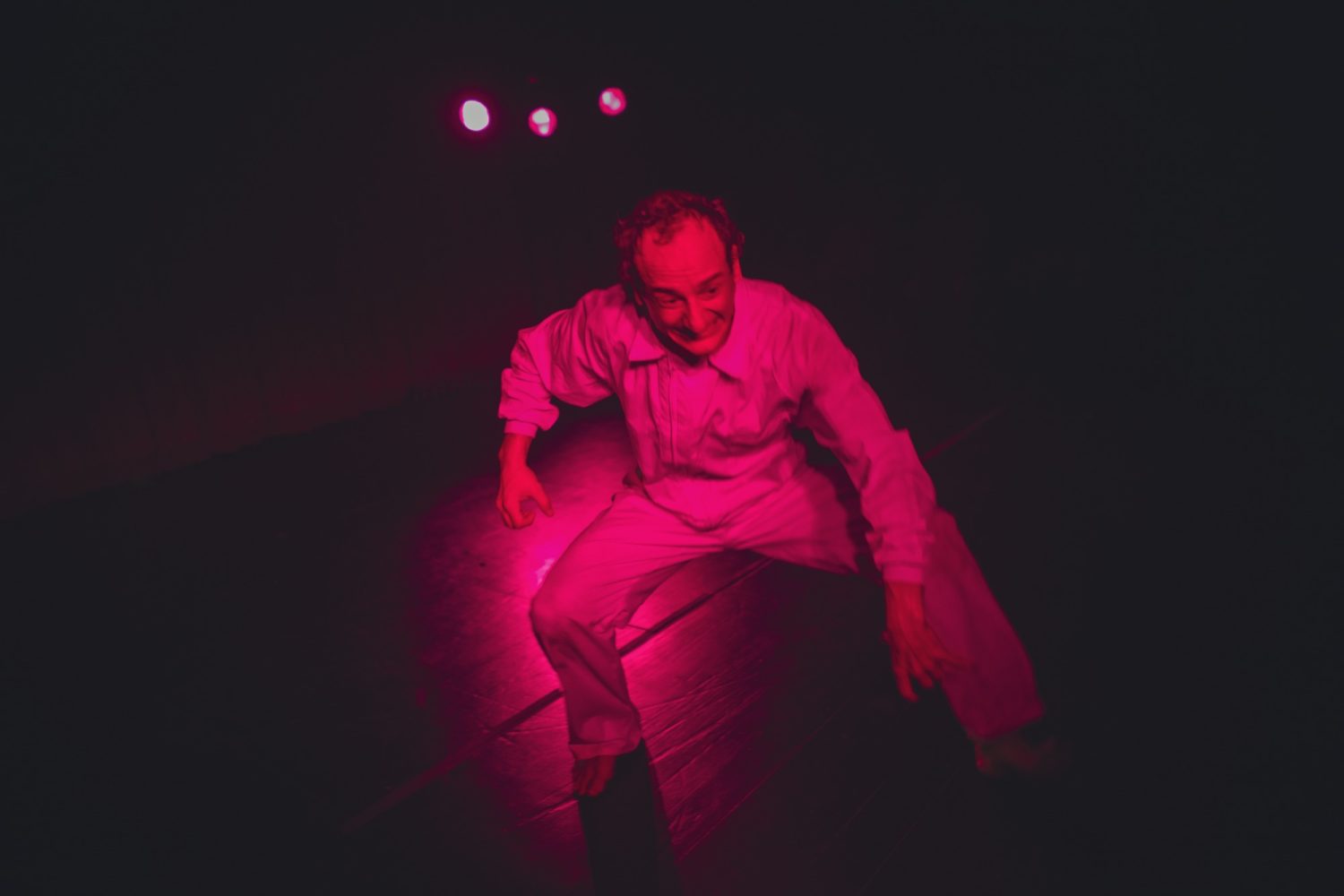
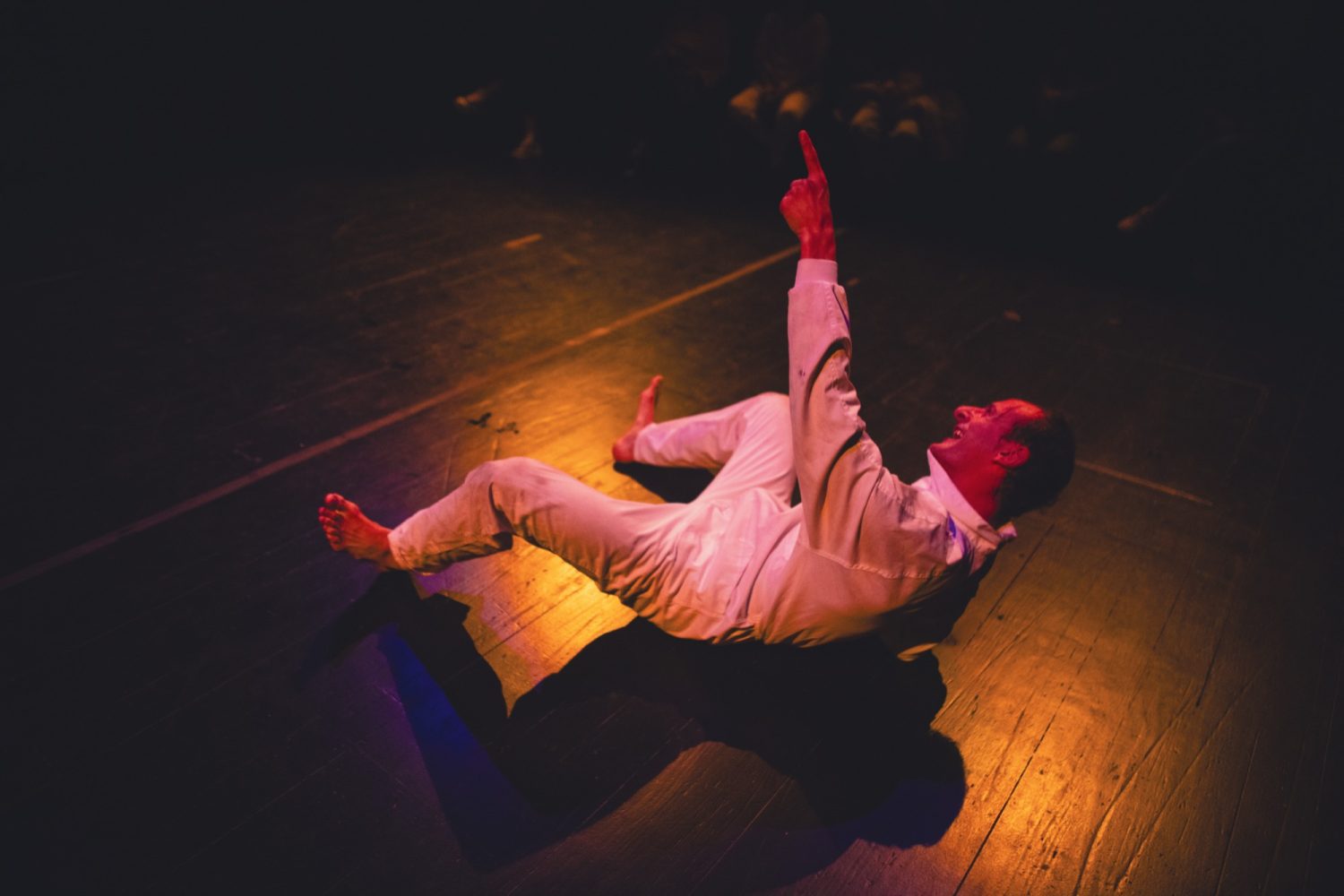
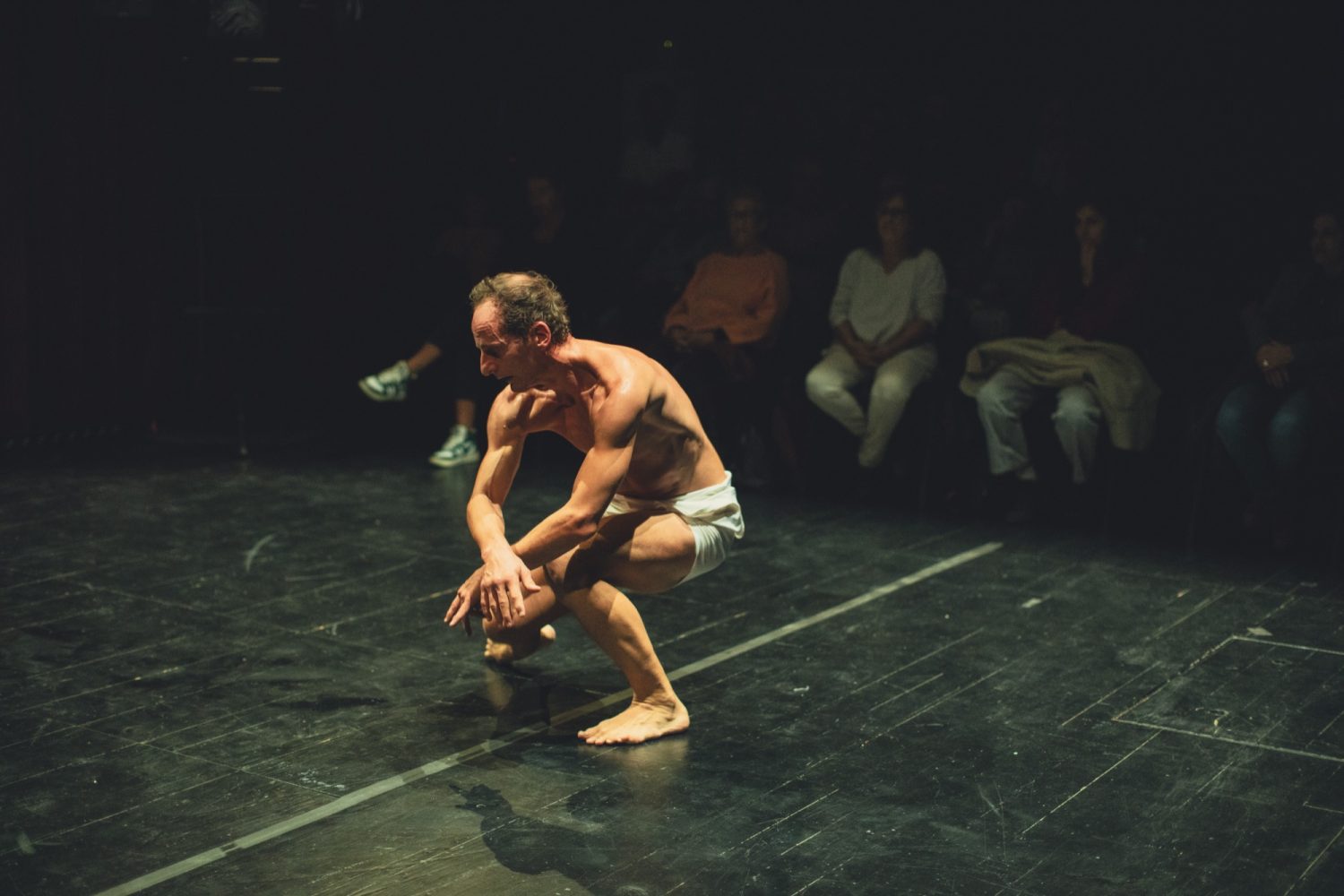
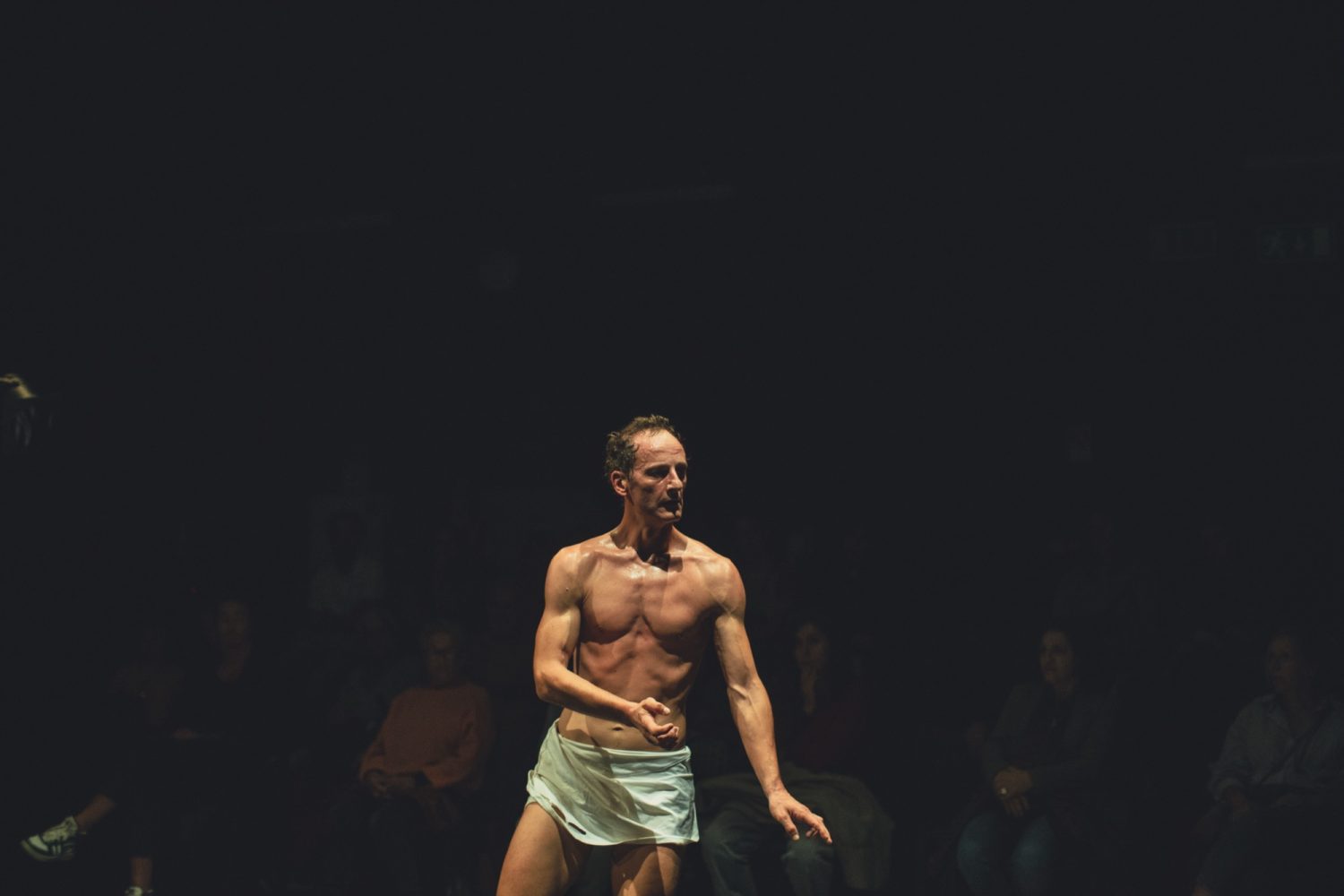
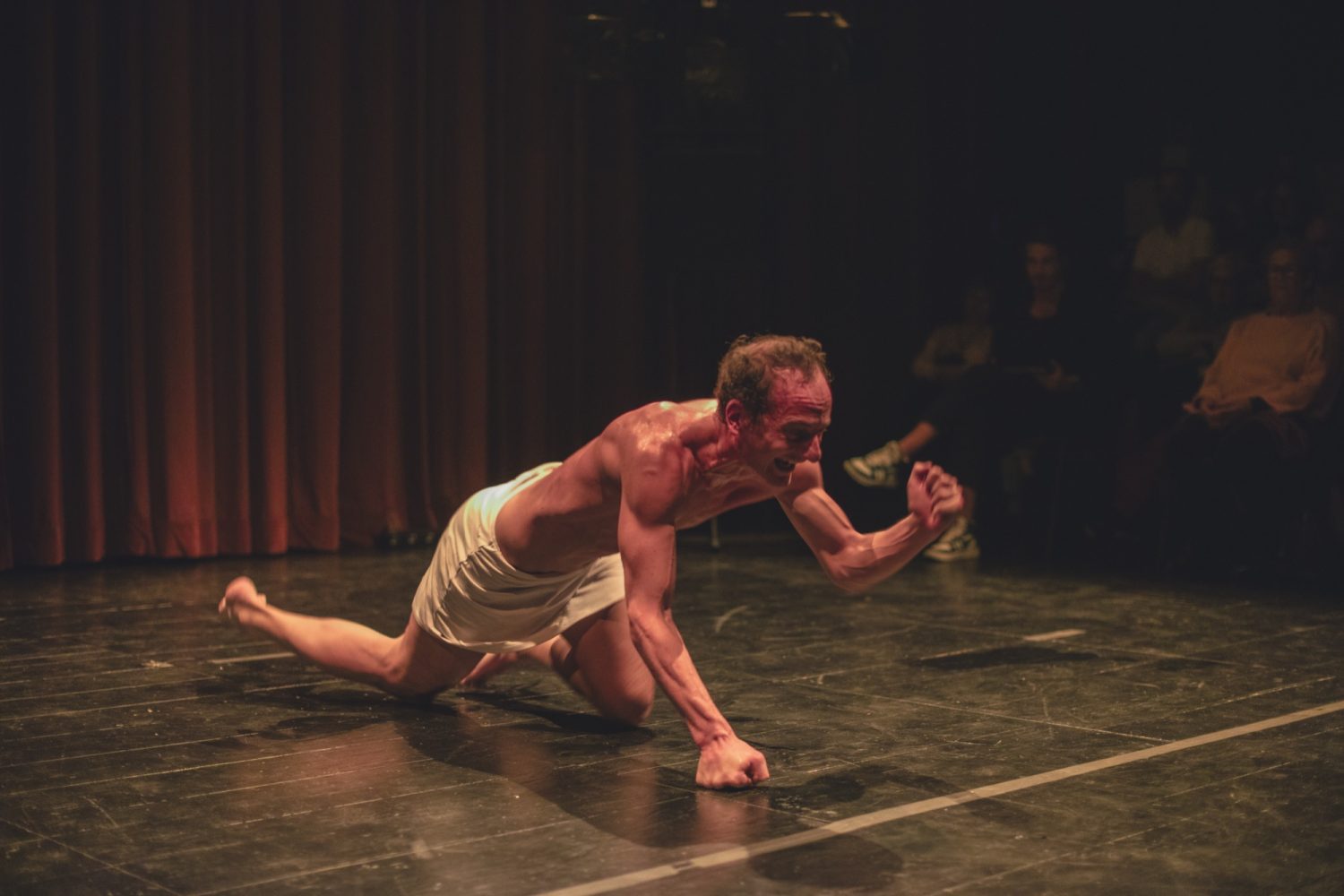
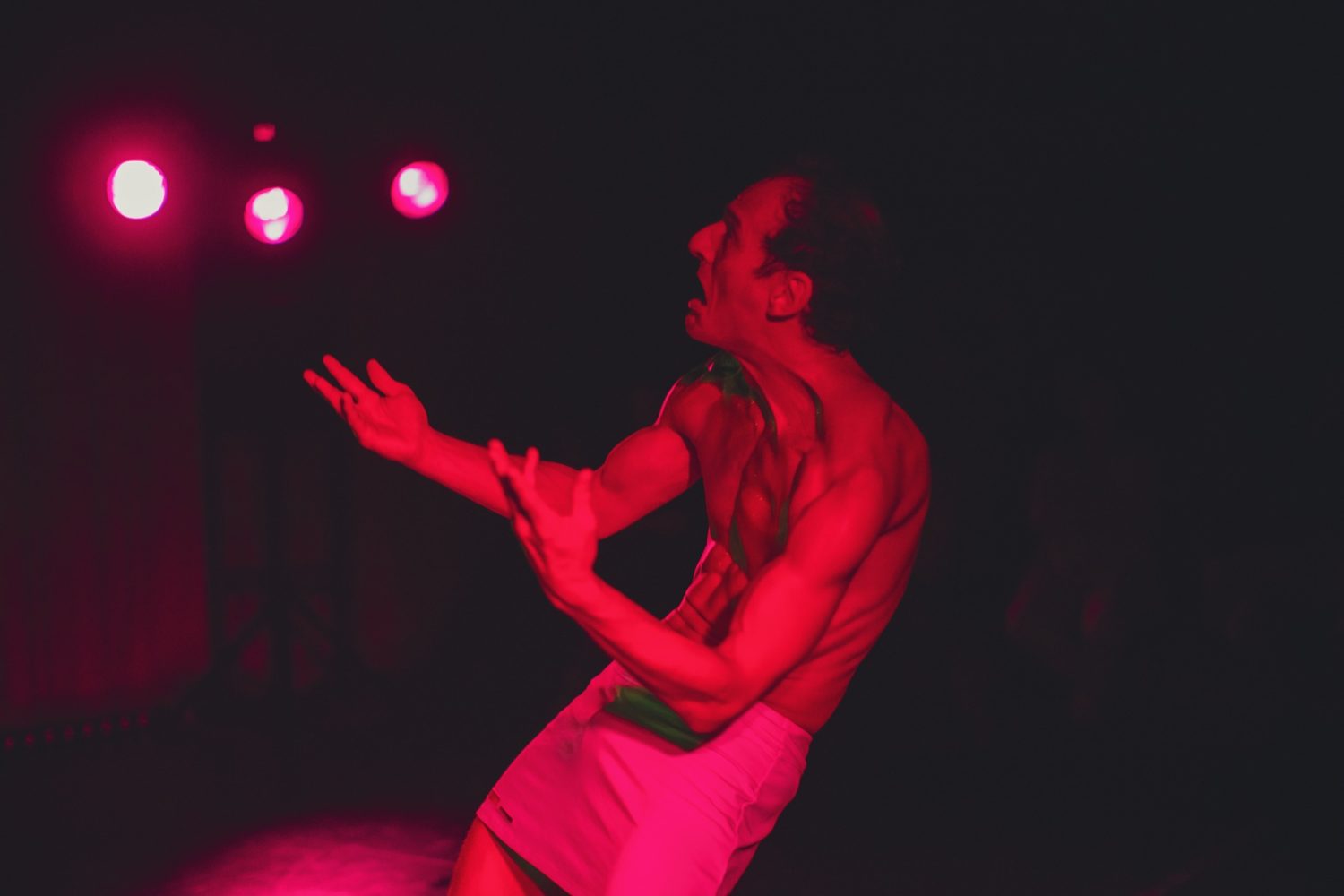
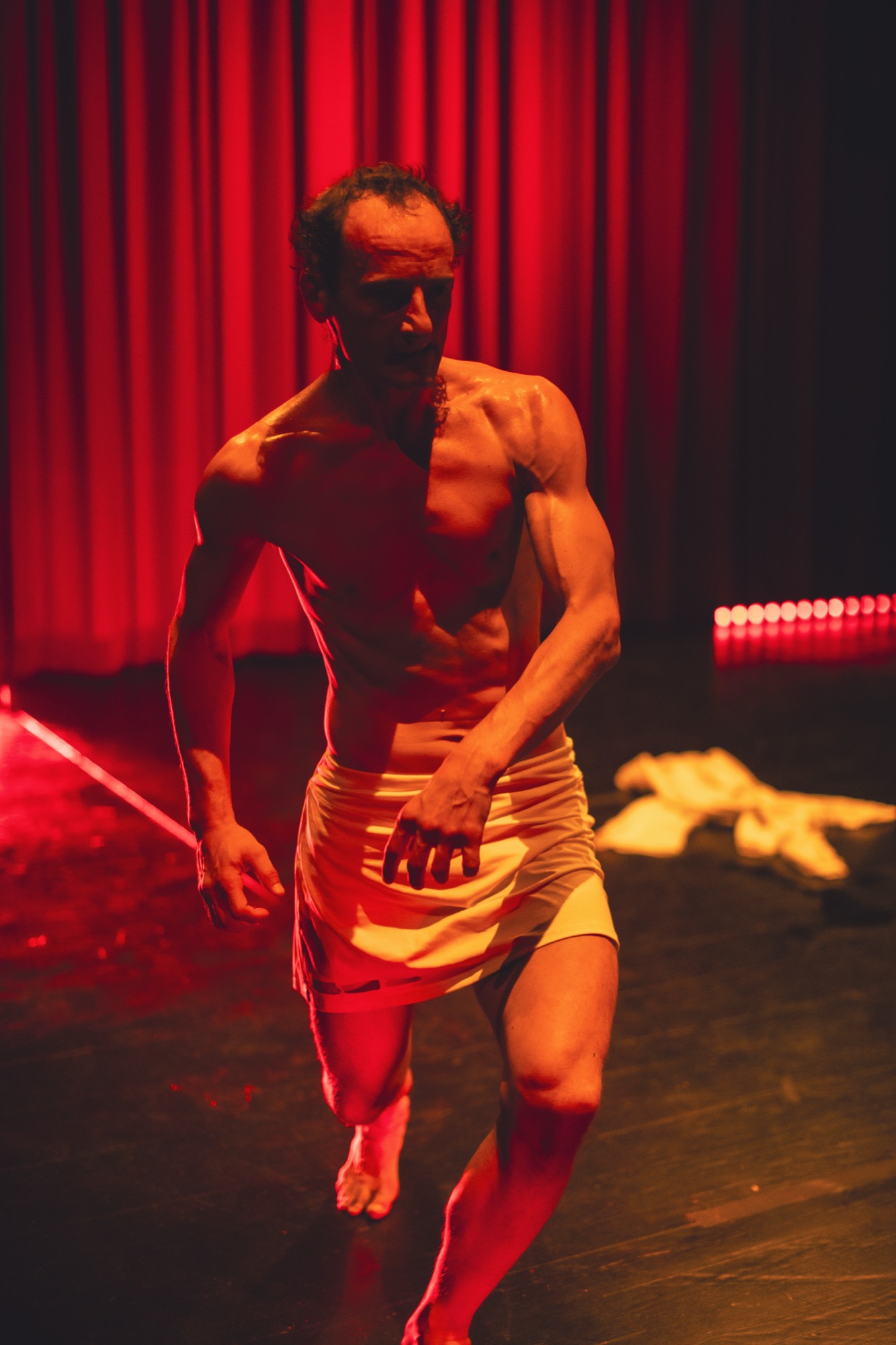
The performer occupies the centre of the space, exposed to the technological interventions that alter his mental state visibly and directly. The four interfaces allow:
- Emotional manipulation: inducing states of euphoria, terror, sadness or rage
- Sensory alteration: generating visual and auditory hallucinations
- Thought implantation: introducing false memories and mental commands
- Behavioural control: modifying basic survival behaviours
This mechanic exposes three fundamental psychological phenomena: the emotional desensitization the technological interface provides, the destructive curiosity toward others’ mental limits, and the cognitive dissonance between our virtual actions and their real consequences.


SYNOPSIS
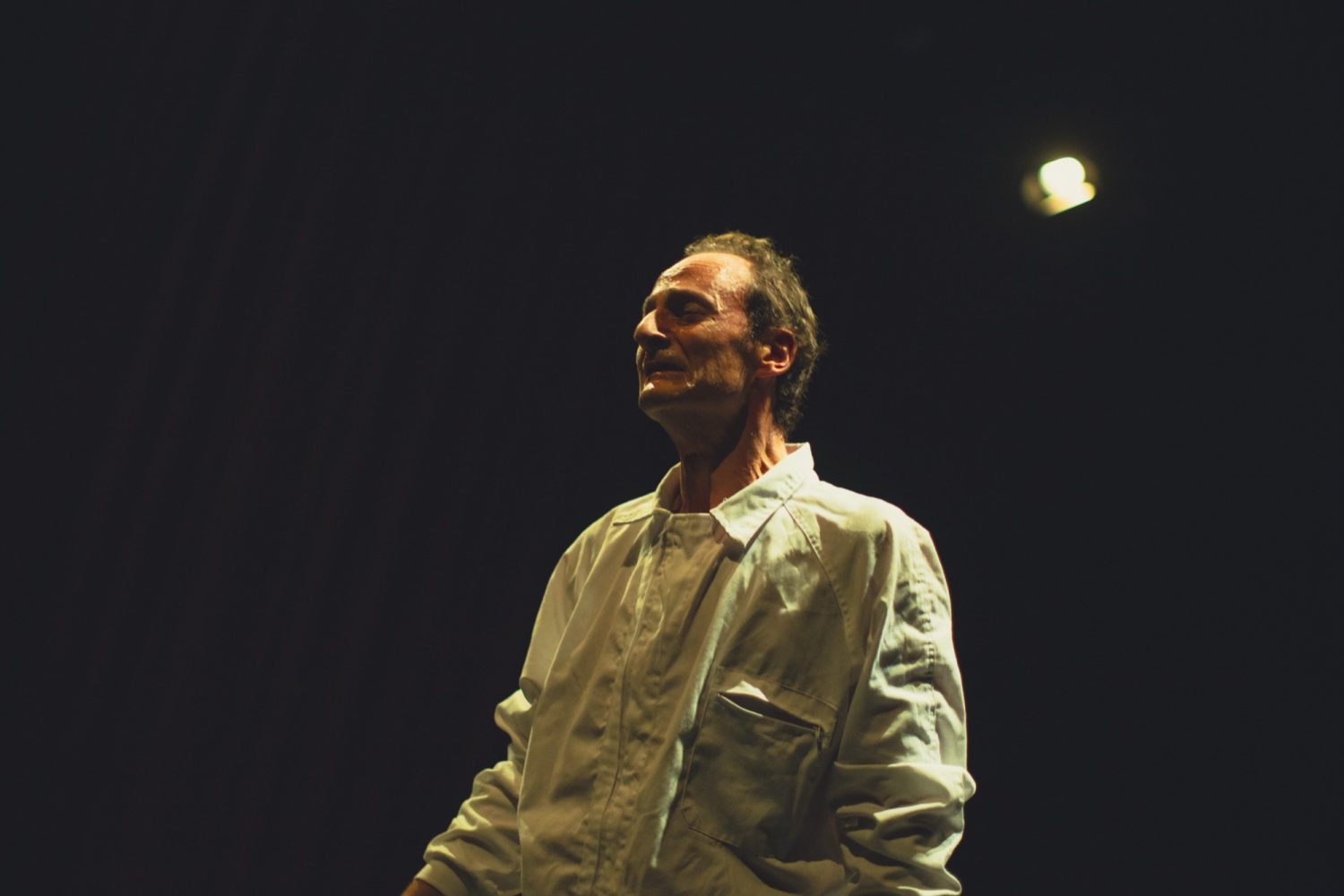
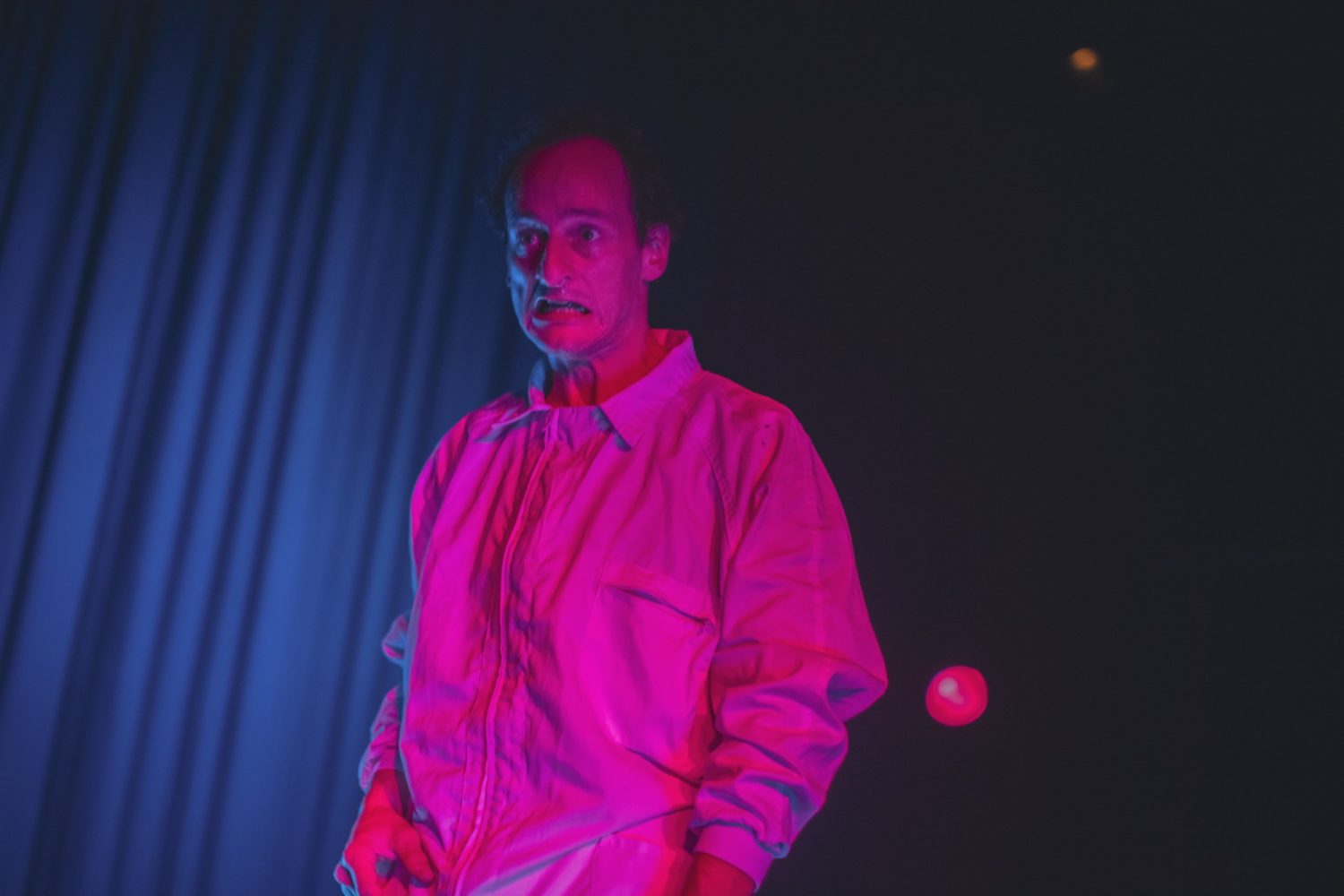
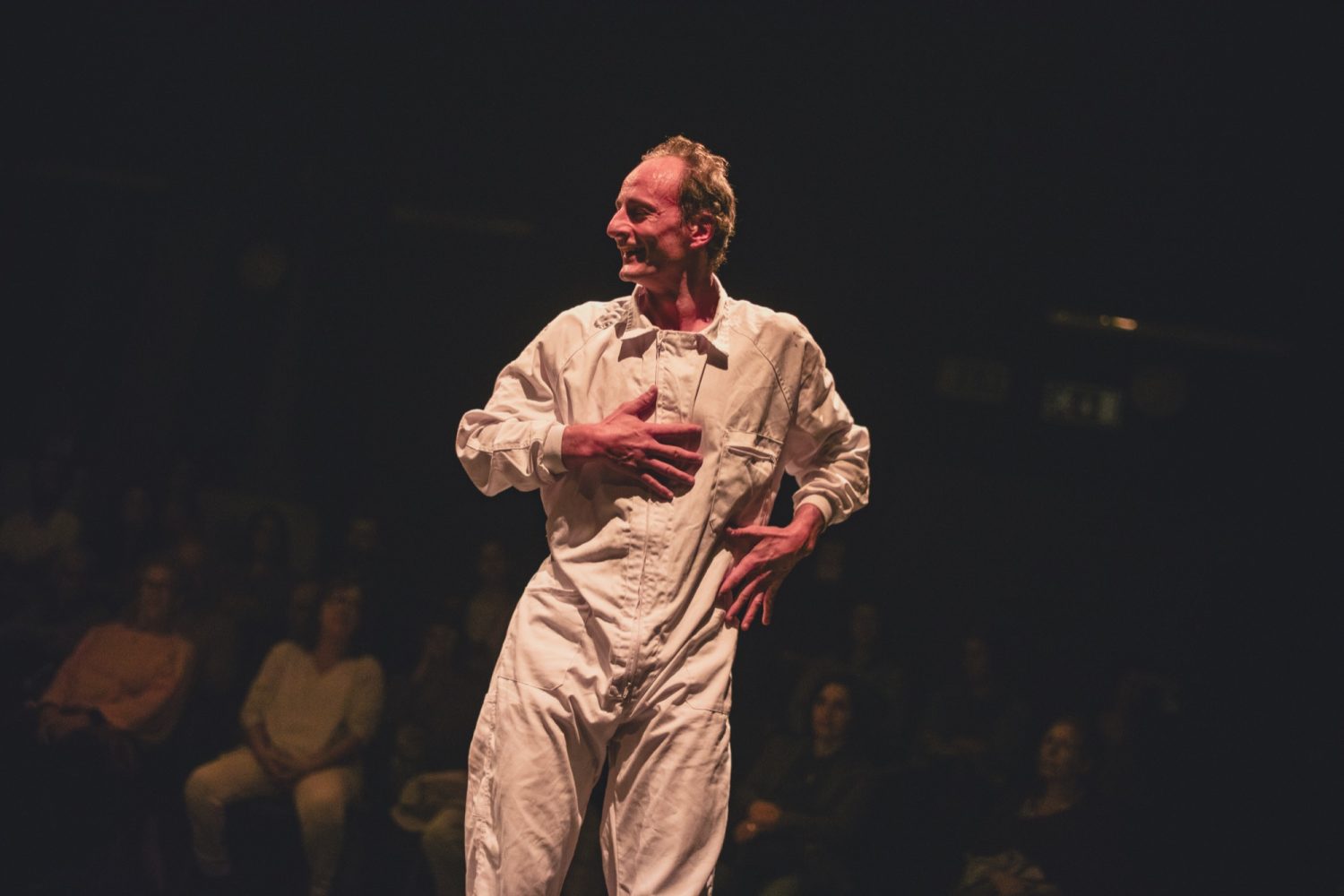
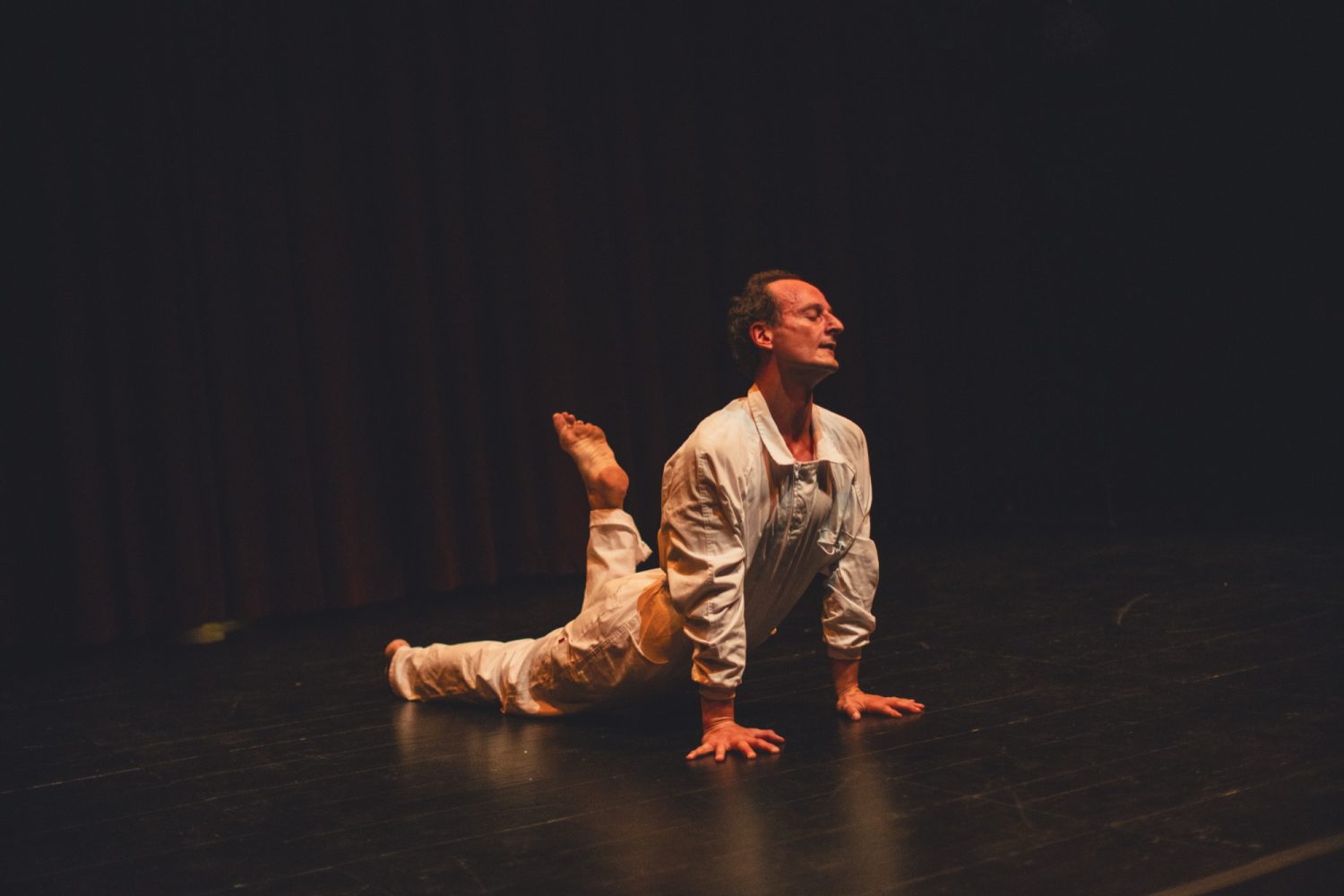
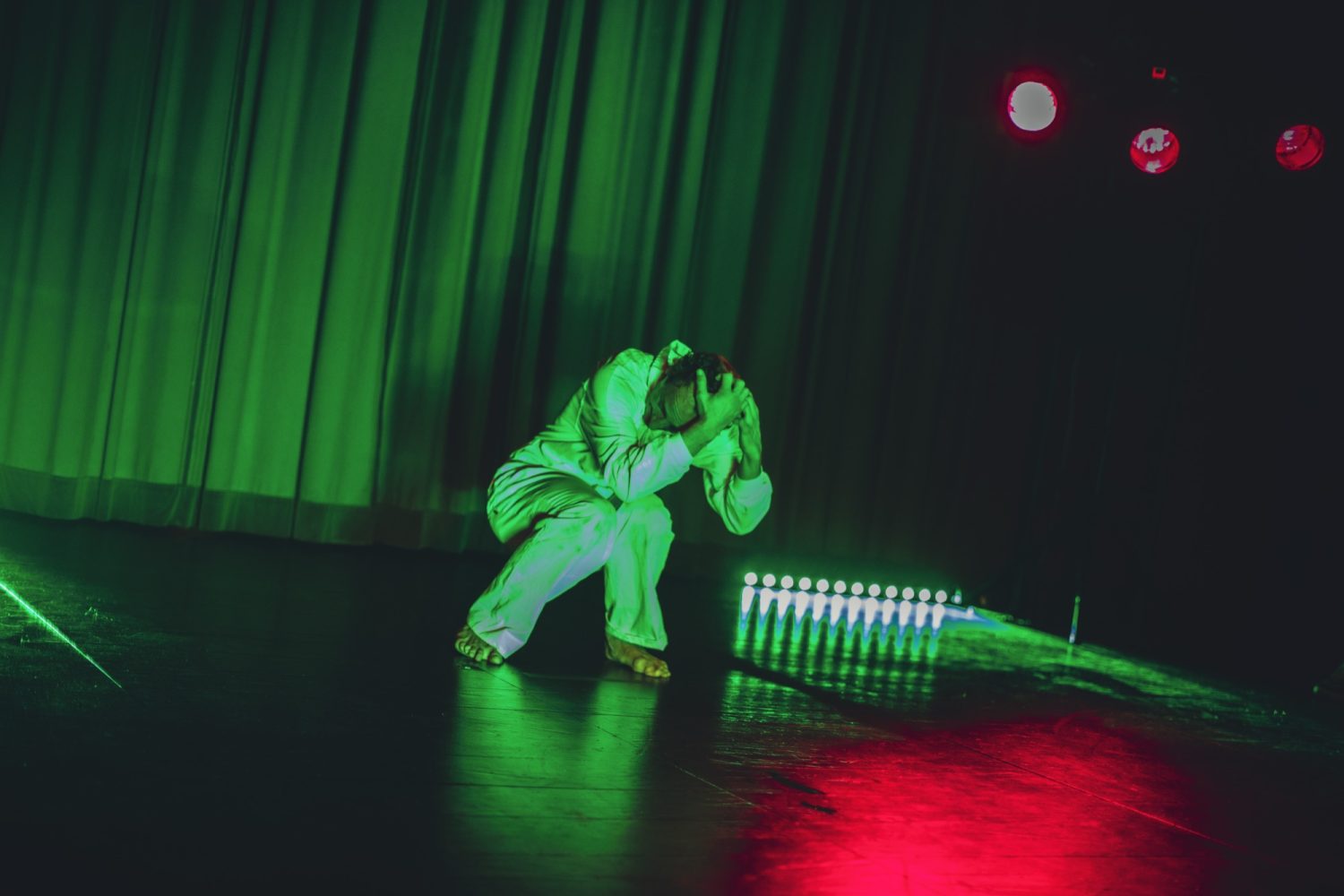
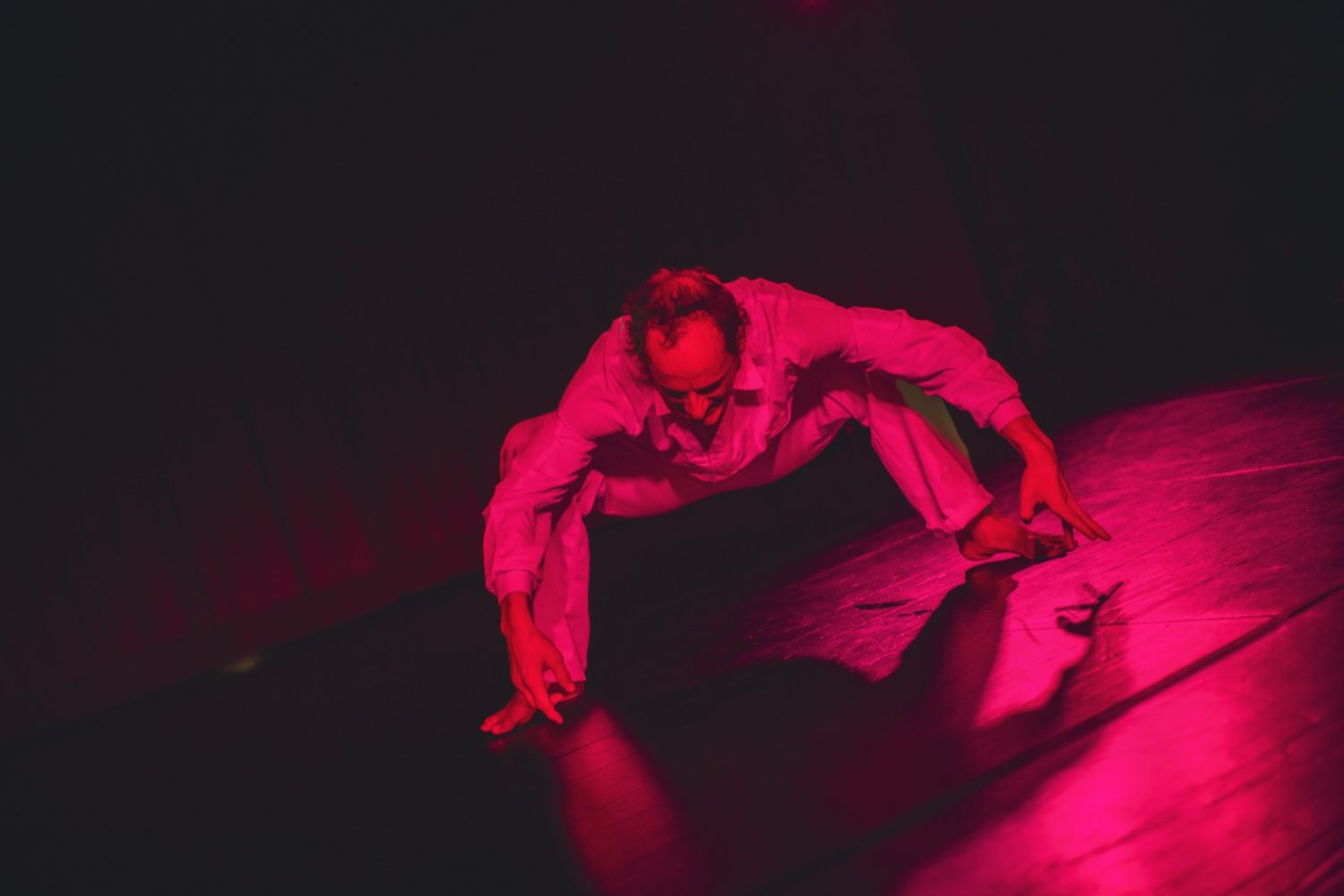
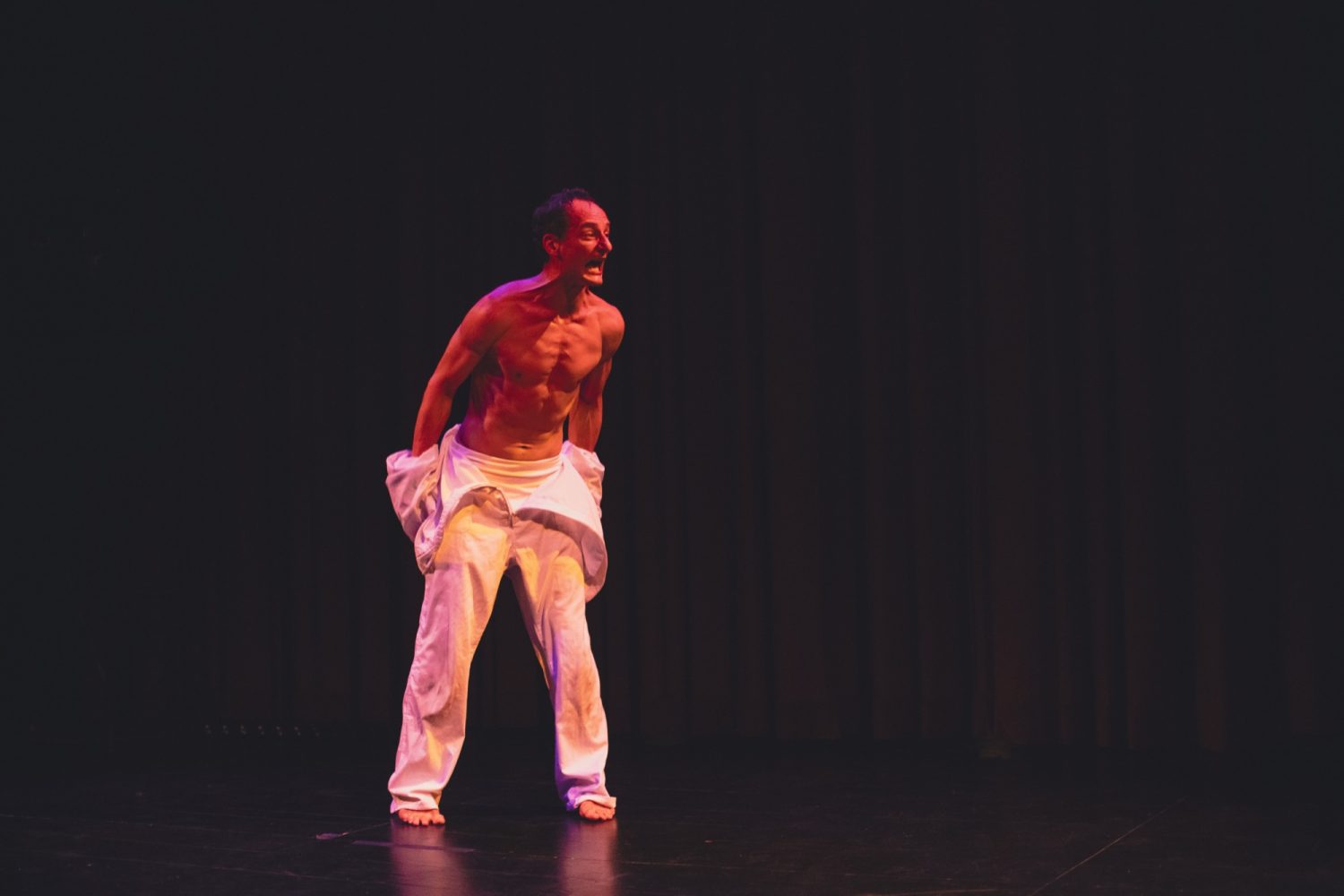
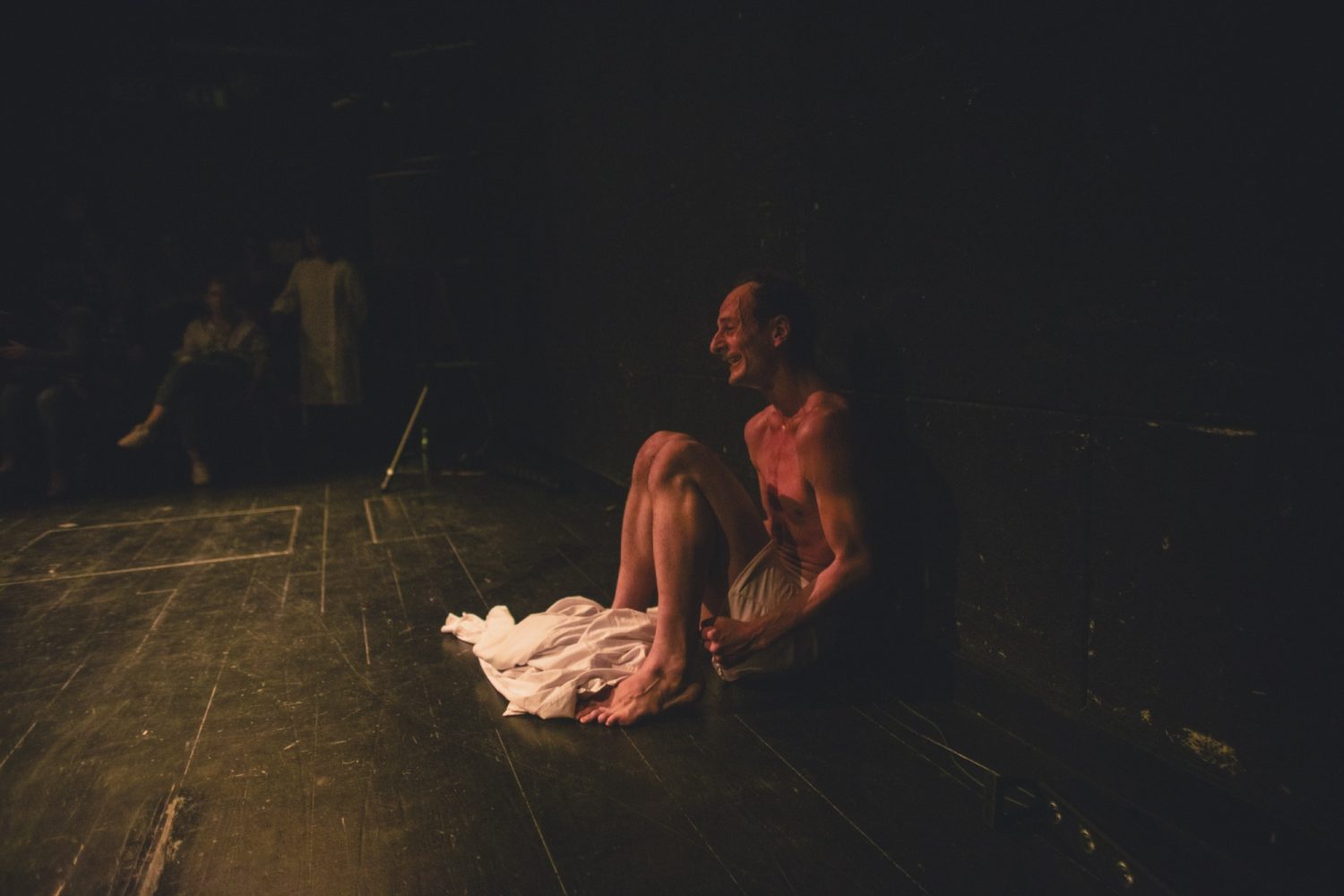
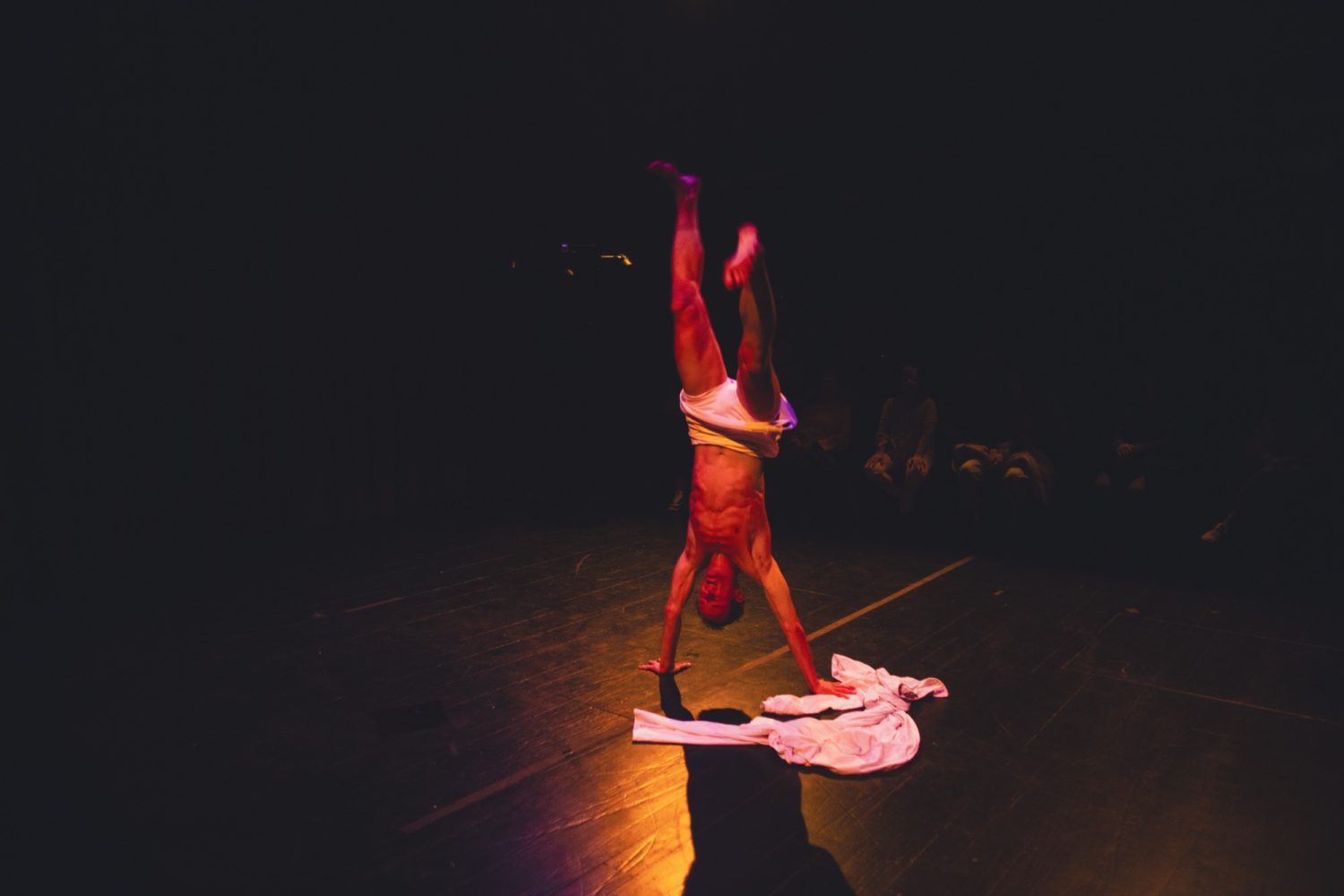
A body presents itself before the audience, vulnerable to the collective manipulation of its mental balance. The spectators, by means of technological devices, can induce extreme emotional states, alter sensory perceptions and implant thoughts that modify the performer’s behaviour against his will.
The space becomes an amphitheatre of cruelty where technological distance removes direct empathy, allowing actions that in a personal context would be unthinkable. As we watch the psychic disintegration in real time, we confront our own destructive impulses and the curiosity that drives us to experiment with the limits of another’s mind.
What does the way we exert this power over others reveal about us? Neither voyeurism nor scientific experiment: iMythos beta2 is a contemporary ceremony where we confront our ethical responsibility before mental fragility in the digital age.
The experience offers no simple answers; rather, it submerges us in an uncomfortable territory where we rediscover that madness and sanity are constructions as fragile as they are manipulable.
ARTIST’S NOTE
For years I have been obsessed with the question of how far we are capable of going when technology mediates our actions on others. This project was born from my own experience with psychological manipulation on social media and from observing how digital distance dehumanizes us.
By placing my own body and mind as territory for experimentation, I have discovered something disturbing: the audience, invariably, explores the most extreme limits of mental manipulation. Each performance becomes a revelation about our nature when we believe our actions have no direct or real consequences.
Arquitectos de la locura has taught me that madness is not an individual condition, but a collective phenomenon that emerges when we renounce our ethical responsibility. The true terror is not in losing one’s sanity, but in discovering how easily we can renounce our humanity when technology allows us to.
GALLERY



ARTISTIC CREDITS
· Classification: Experimental theatre / Interactive performance
· Creation: 2024
· Duration: 55 min (can be adapted between 40 and 60 minutes)
· Age rating: +16 (Psychologically intense content)
· Co-creation: Matilde J. Ciria and Rafaela Bidarra
· Direction: Matilde J. Ciria
· Performer: Matilde J. Ciria
· Electronic devices: Matilde J. Ciria and Fernando Ortega Gorrita
· Lighting design: Rafaela Bidarra
· Costume design: Rafaela Bidarra
· Set design: Matilde Javier Ciria and Carlos Rodrigues
· Original music: Zam Johnson
· Music selection and sound design: Matilde J. Ciria