

I dance what my grandmothers could not dance.
Virginia Torres
CONCEPT
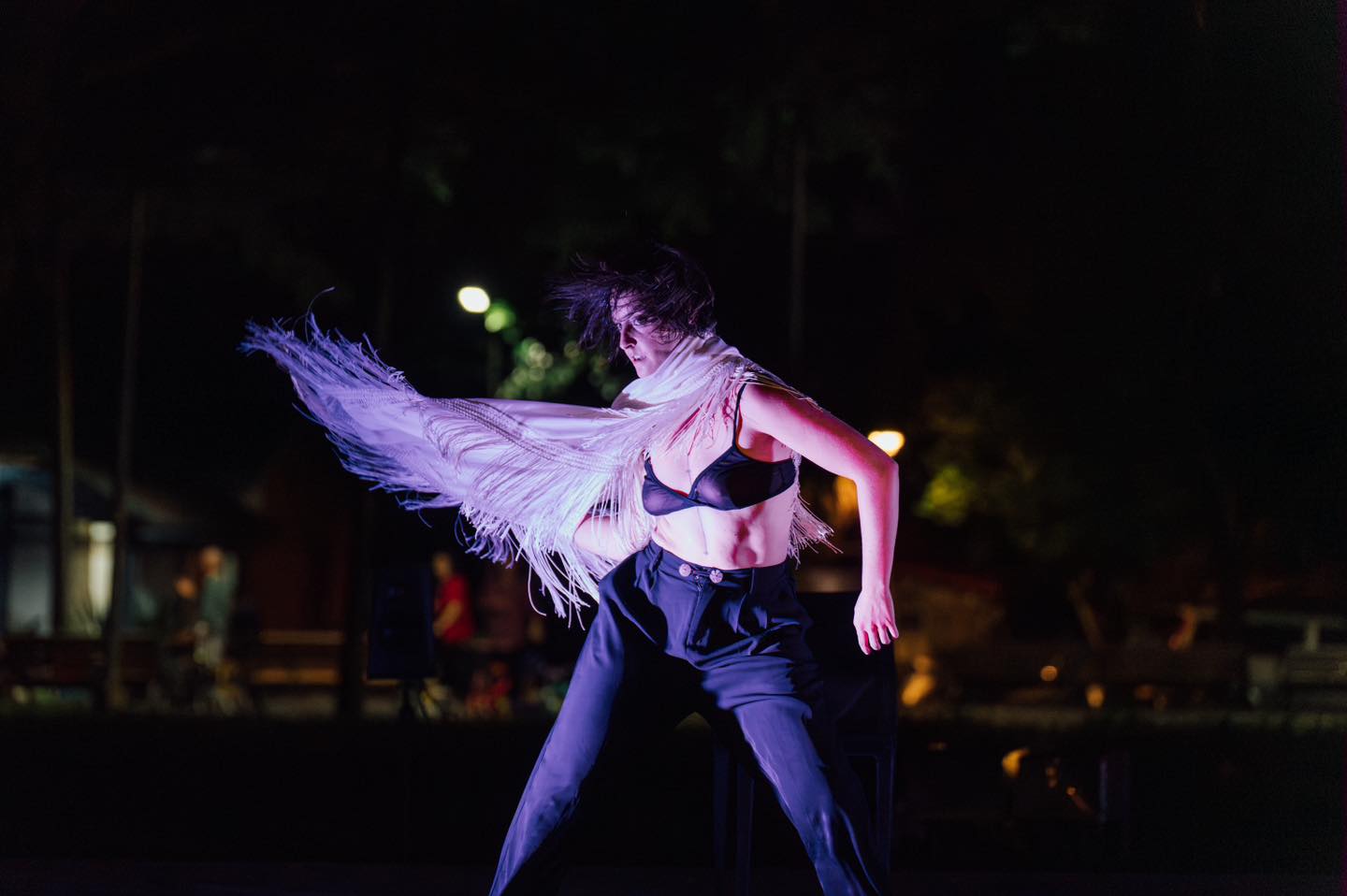
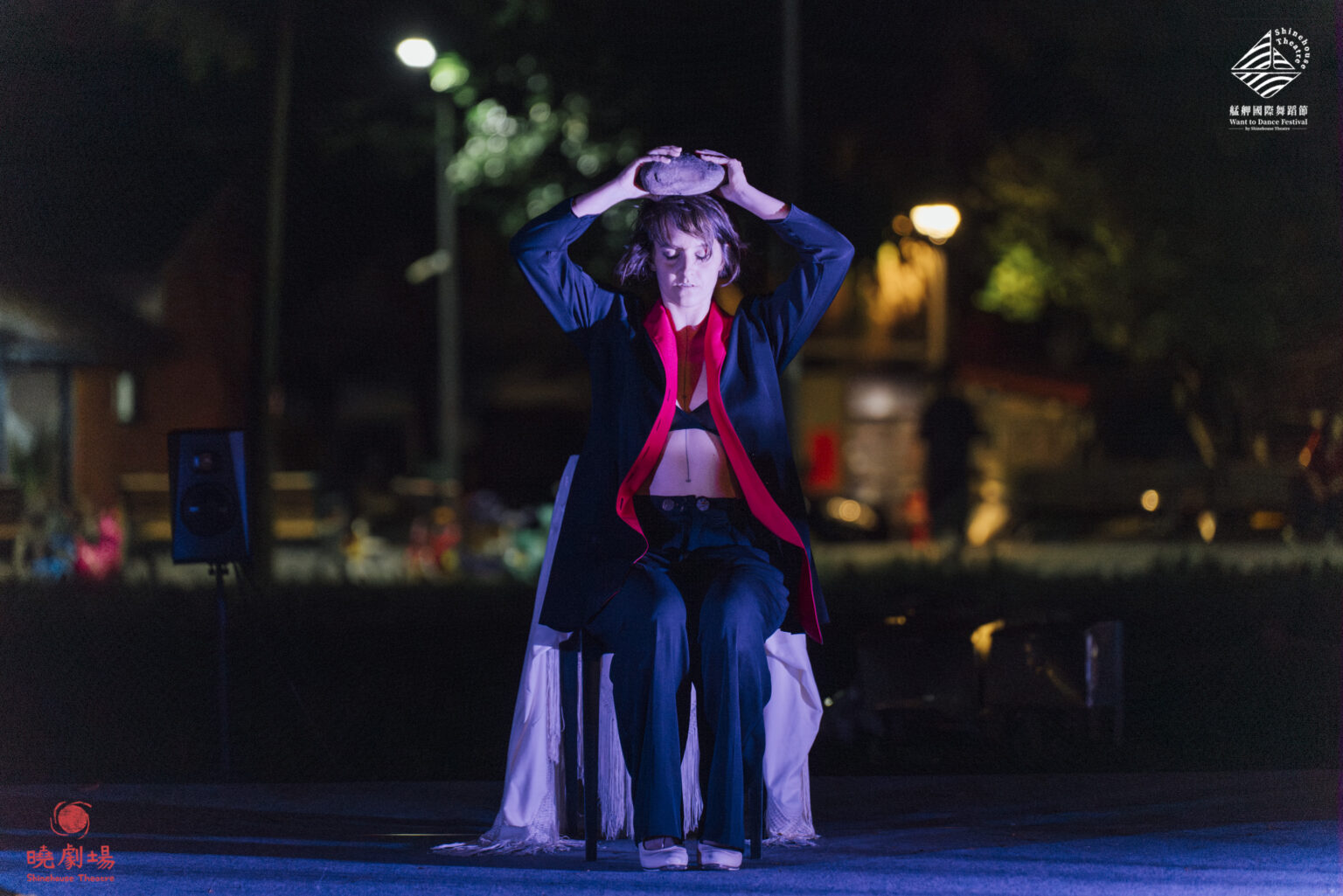
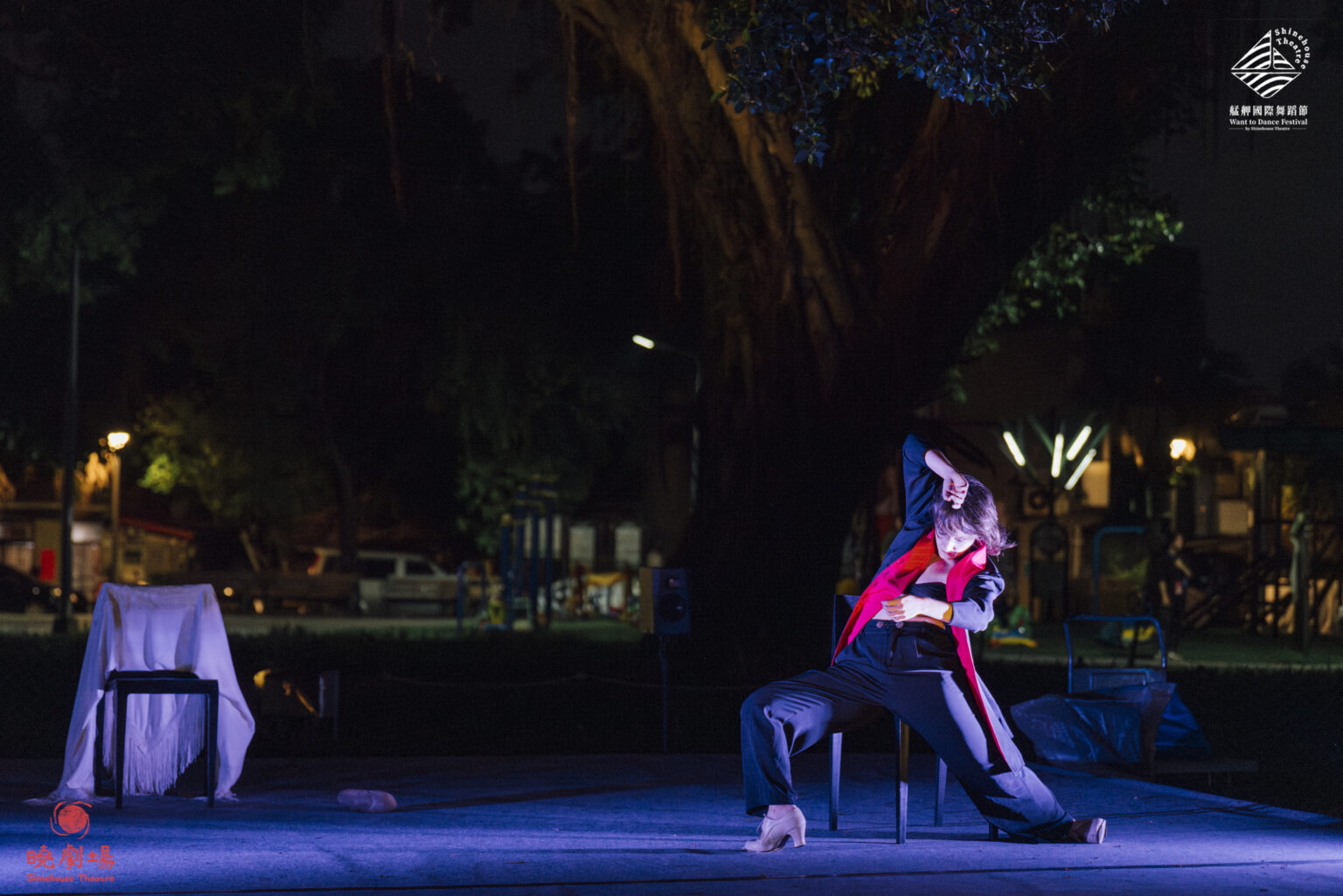
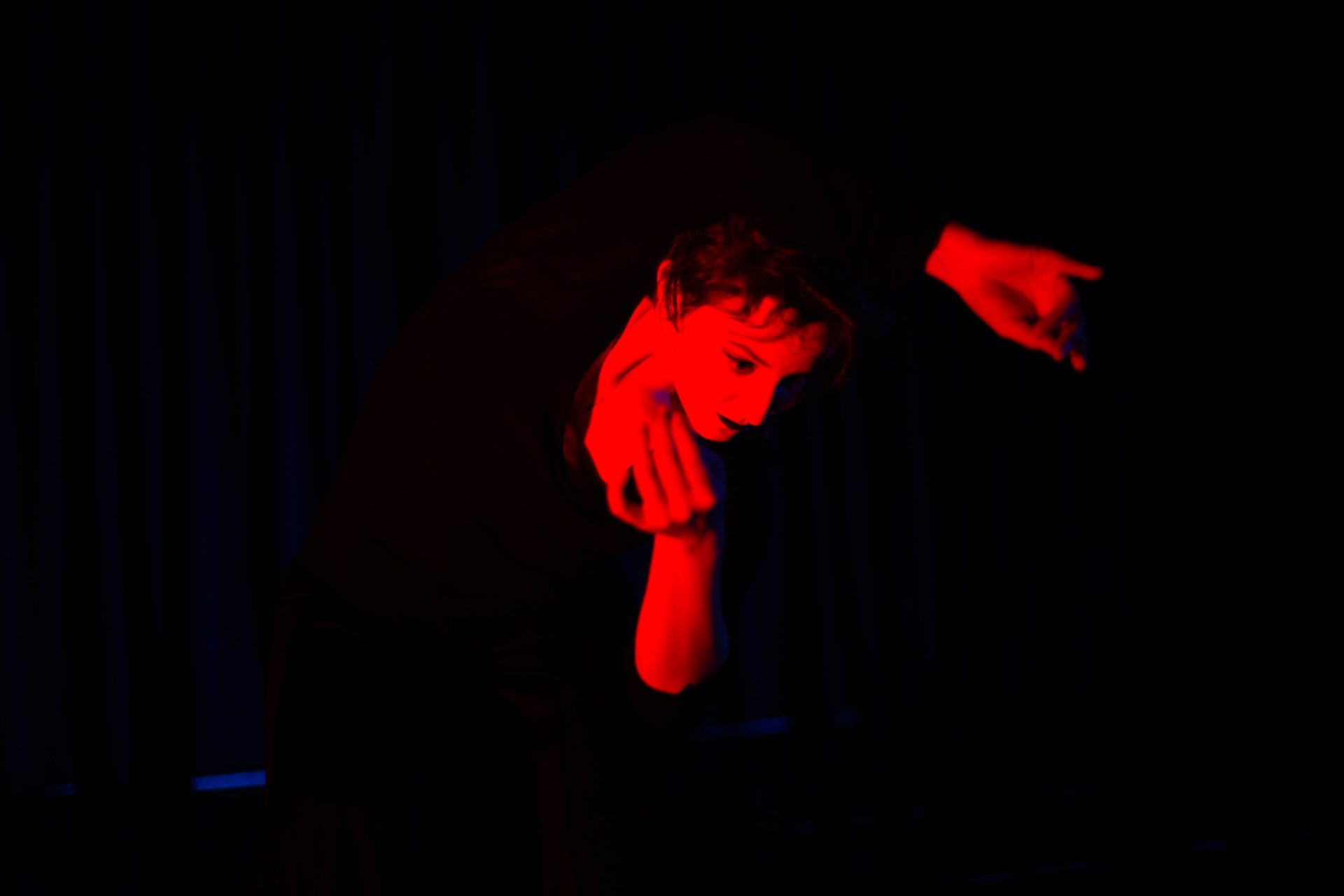
A solo that fuses the raw spirit of flamenco with the depth of butoh. Borboleta do Céu e da Terra —butterfly of the sky and of the earth— is an experimental dance piece with live music, conceived and performed by Virginia Torres. It explores the body as a living archive: cultural memory, identity, freedom. What is inherited and what is let go.
It was born in Taipei, during a creative residency at Shinehouse Theatre, steeped in the city’s multicultural layers. From there it has travelled: to Taipei’s Want to Dance Festival, to the Sierra Norte of Madrid, to Granada, where it all began. It moves between tradition and experimentation and unfolds in resonance with each space it inhabits, whether a black box or a square at night.
I come into the work as director of its current version, chrysalis: the in-between state. My job has been to widen the frame. What was Virginia’s intimate journey can now also be read as the journey of flamenco itself: the thousand-year migration of the Romani people from India to Andalusia. Two exoduses, one collective and one personal, looking at each other in the same mirror.
HISTORY AND MEMORY
A people in constant exile. Flamenco carries in its blood the intergenerational migration of the Romani people, absorbing influences at every stage. A journey marked by the frustration and rage of a people never allowed to settle anywhere. During the exodus, their only home was the cultural identity they carried with them: in constant transformation, yet the compass of their wandering. When there was no more territory to move on to, it was their culture that gave them a place. A pilgrimage towards a promised land that was nowhere, and which they reached even so.
Flamenco and butoh. Flamenco cries out the journey of its identity: it shows with pride the suffering it has crossed, culture as a lifeline for the vital essence, a ship on a wild ocean. Butoh also inhabits pain and death, but it builds no castles of identity in order to survive: it inhabits the vital flow there is no escaping, and dissolves judgement to find what lies beneath. One builds to resist; the other dismantles to set free. Each turns suffering inside out by opposite roads, and both touch the same fire.
A personal exodus. Dances of going and returning. Social pressure drove Virginia away from dance after the Spanish dance conservatory. Institutional dance had turned into violence: the sexist aesthetic judgement, the perfectionism that wants the result above all else, the need to fit into other people’s moulds. Dancing had become a prison that stifled the burning desire to dance rising from her bones. So a journey began —India, Spain, Portugal, Thailand, Taiwan— in search of that lost dance, one that would belong not only to her but to all her women. It was through butoh that she could cross the walls the system had raised inside her. A flamenco of going and returning that travels not to South America but to Asia. A new map for reconnecting with an ancestral dance.


Borboleta do Céu e da Terra is a piece in honour of my grandmothers. I dance for what they could not dance. I dance to transform the wound of the female lineage, to release the suffering that lives in women’s bodies after centuries of patriarchal oppression. It is a dance that unties knots, that cleans the wound, that sews from the inside. Connecting with the root, with the memory of the body, and from there, flying.
Virginia Torres
SYNOPSIS
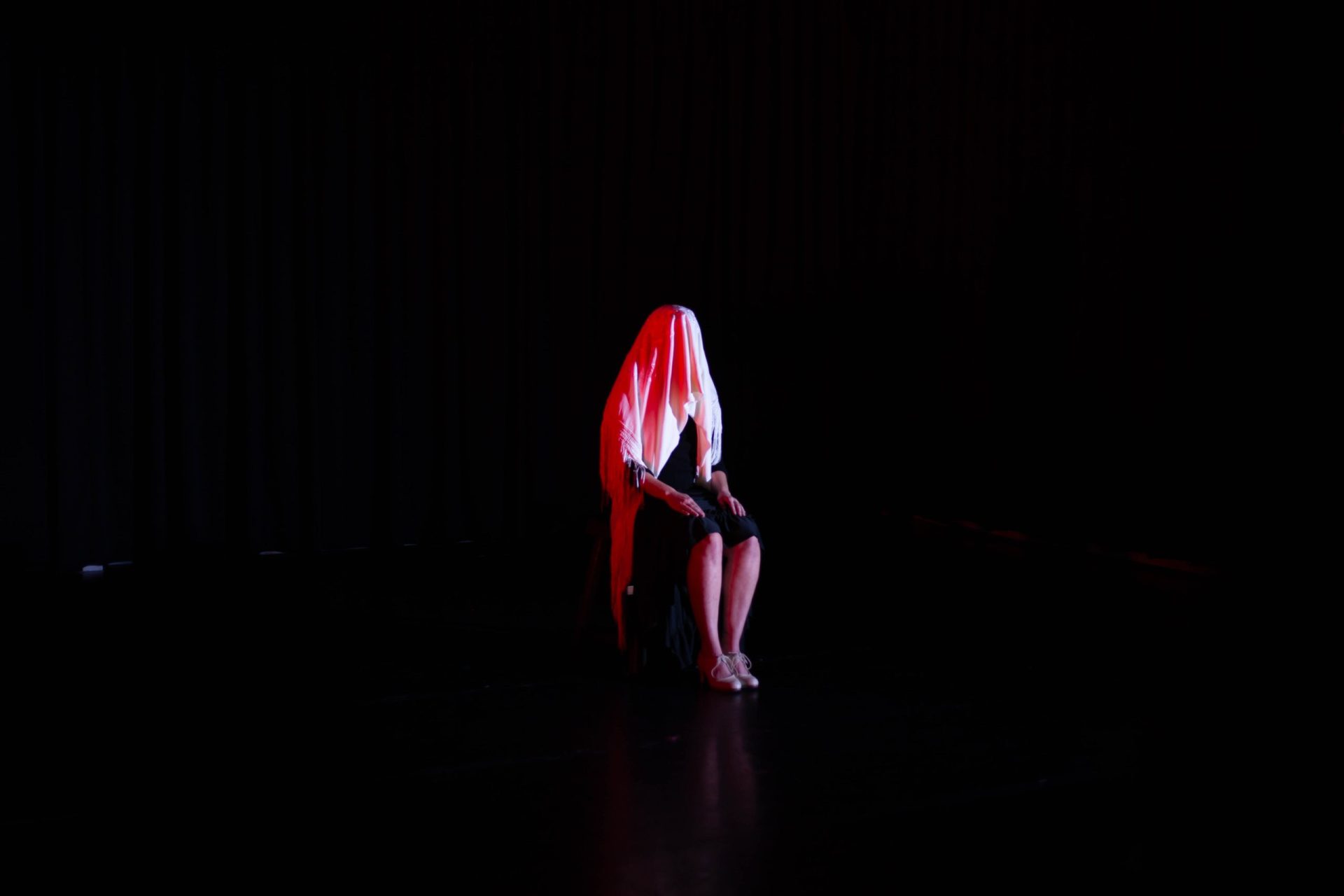
A woman sitting, her face covered by a shawl. Is it a place of birth, a family, a language or a nationality that defines who we are? Layers of identity to dance through until we touch what emanates from the One. «Love is what remains when nothing else remains.»
Fragility is a broken puppet, ready to burn and vanish into the ether. Whores and nuns walk side by side, carrying the weight of their grandmothers. The tale writes itself.
From a knot a butterfly is born, carrying the scent of roses to those who have forgotten. A dragonfly roars, erupts like a volcano, channels the duende. To the rhythm of bulerías it laughs at the cosmic game and ties us to the grandmothers beneath the earth.
Neither a tribute to flamenco nor a betrayal of butoh: a dance of transformation. A raw, poetic journey towards the heart of freedom, where movement dissolves borders and invites the unknown in.
DUENDE
The piece drinks from an essence shared by flamenco and butoh: the search for duende as Federico García Lorca described it. A force born of the earth that has nothing to do with technique or with beauty, but with what burns in the blood. It emerges from four things: an intimate awareness of death, a connection to the soil, a brush with the diabolical and a surrender to the irrational. Those same forces beat through butoh, where dance is born of darkness, memory and the unconscious before it is born of form.
The other reference is Admiring La Argentina, by Kazuo Ohno. Ohno does not reproduce flamenco: he embodies it from the invisible, crossing borders of time, space and gender. Lorca and Ohno both created from bodies crossed by the non-normative, from the margin and the pain of not being allowed to be. Borboleta belongs in that constellation. Not to imitate, but to listen: to the earth, to the invisible, to the echoes of those who danced —and resisted— before.
Chia-Chun Xu’s soundscape, played live on a no-input mixing board —experimental noise crossed by flamenco rhythms— amplifies the tension between stillness and intensity.
ARTIST’S NOTE
When Virginia asked me to direct this piece, it already existed, it had already flown in Taipei. It did not need creating: it needed listening to. And the first thing I heard was that her personal journey was not alone. Behind flamenco there is a people who walked for centuries without being allowed to stay, and who made their culture the only solid ground. When I set the two stories side by side, the solo stopped being a solo.
Directing a dancer who comes from flamenco and has passed through butoh taught me something about the two languages I did not know: they contradict each other in method and meet in the fire. Flamenco raises, butoh undoes. My job has been not to choose. To let the chrysalis be a chrysalis: neither caterpillar nor butterfly, that uncomfortable moment when you are no longer what you were and not yet what you will be.
I hope whoever sees it leaves wanting to ask their grandmothers what they were never allowed to dance.
GALLERY

VIDEO
CREDITS
· Classification: Experimental dance / butoh and flamenco / solo with live music
· Created: 2024 (Taipei) · chrysalis version: 2025
· Duration: 45–55 min
· Age rating: adult audiences
· Concept, creation and performance: Virginia Torres
· Direction: Matilde J. Ciria
· Composition, sound design and live music: Chia-Chun Xu (Jared Xu)
· Costume: María Pinky
· Lighting design: Matilde J. Ciria
· Video: Raúl Bartolomé
· Creative residency: Shinehouse Theatre, Taipei (Taiwan)
· Performed at: Longshan Cultural Center and Want to Dance Festival (Taipei) · Centro Comarcal de Humanidades Sierra Norte (Madrid region) · Sala El Apeadero (Granada)
· Photography: Shinehouse Theatre / Want to Dance Festival
· Virginia Torres: virtorresp.com · @yourbodybreathes