
«O corpo colectivo funciona como um corpo individual: se o sistema é neurótico, gera espontaneamente estruturas autodestrutivas.»
Rafaela Bidarra
CONCEPT
What memory does a body carry without knowing it carries it? What earth holds it up when it no longer recognizes the ground? From research begun in 2024 under the title Corpo Colectivo – Corpo Memória – Corpo Terra, in 2026 Rafaela Bidarra builds a physical-theatre piece that explores the mechanisms of power, memory and resistance governing both individual bodies and collective bodies.
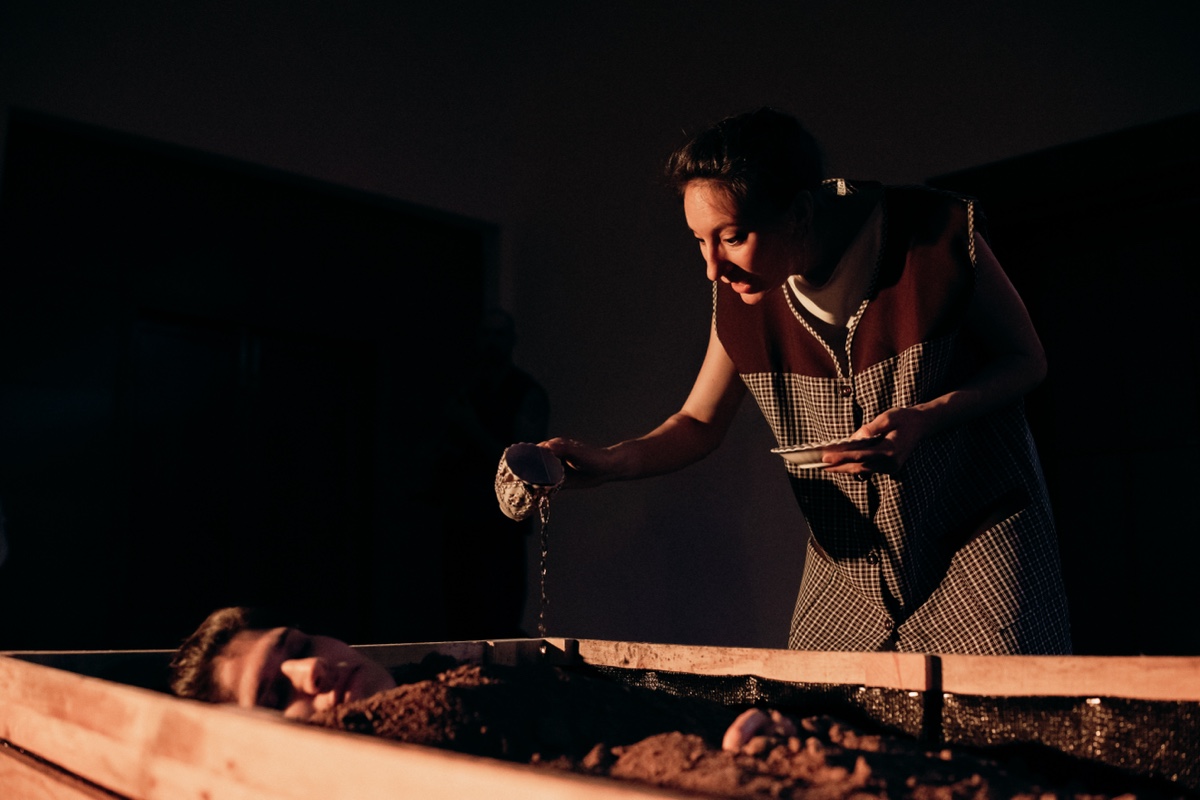
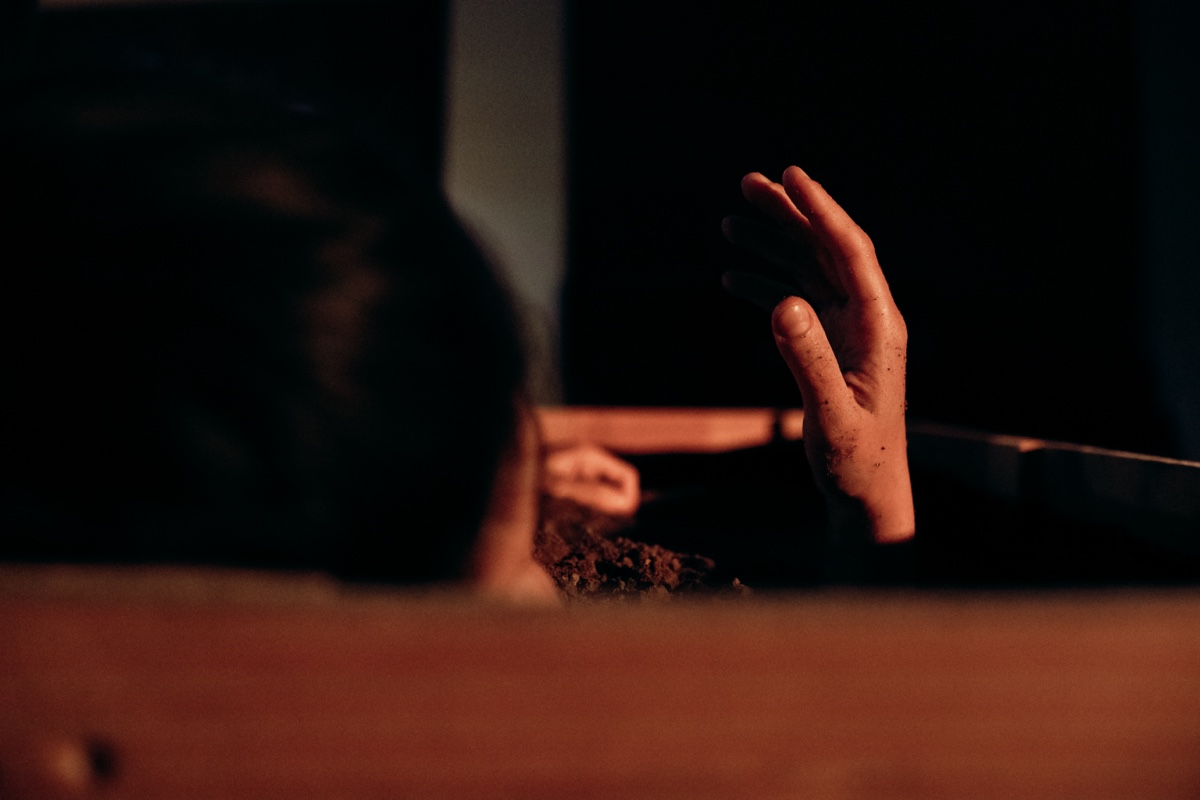
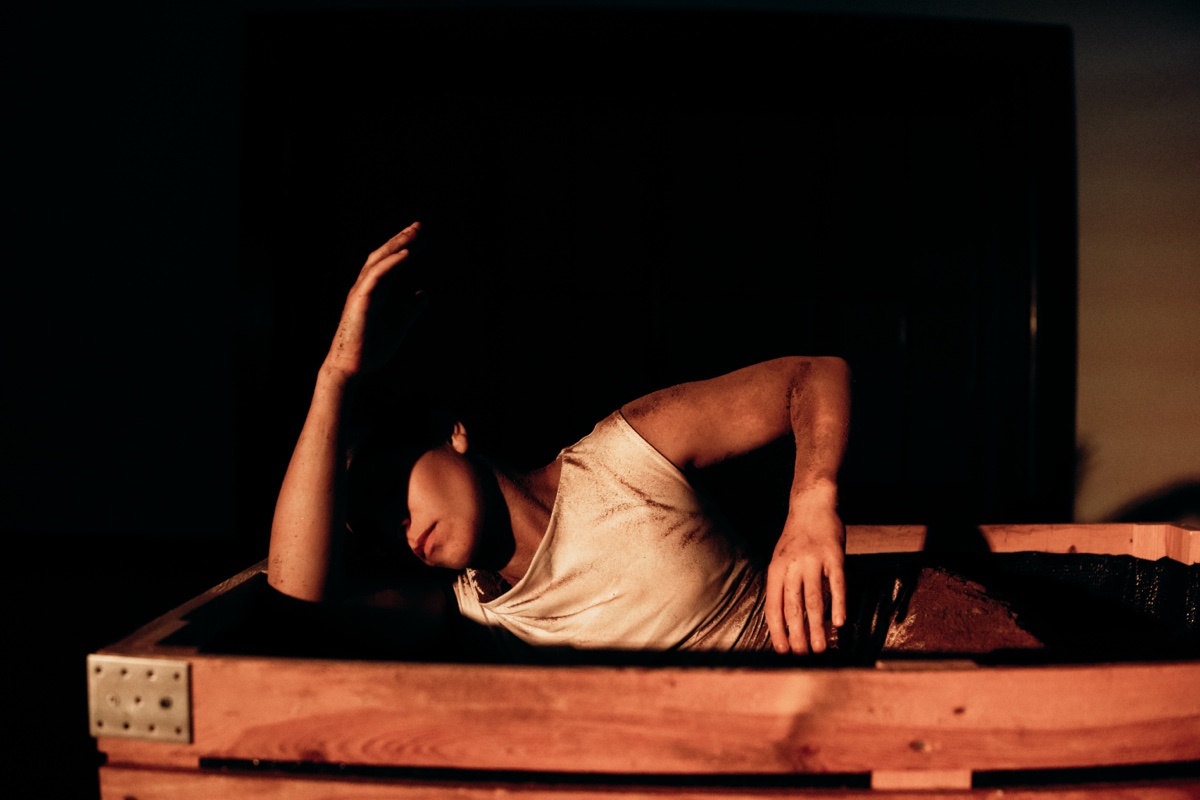
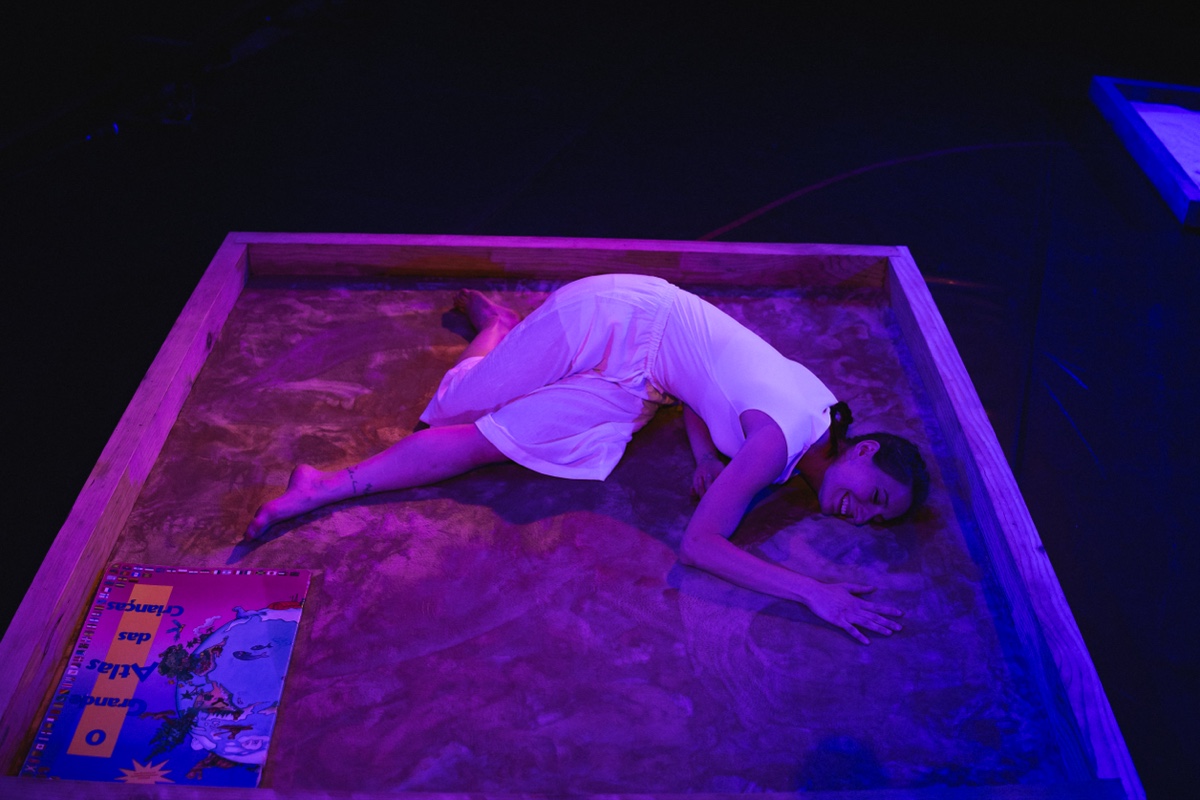
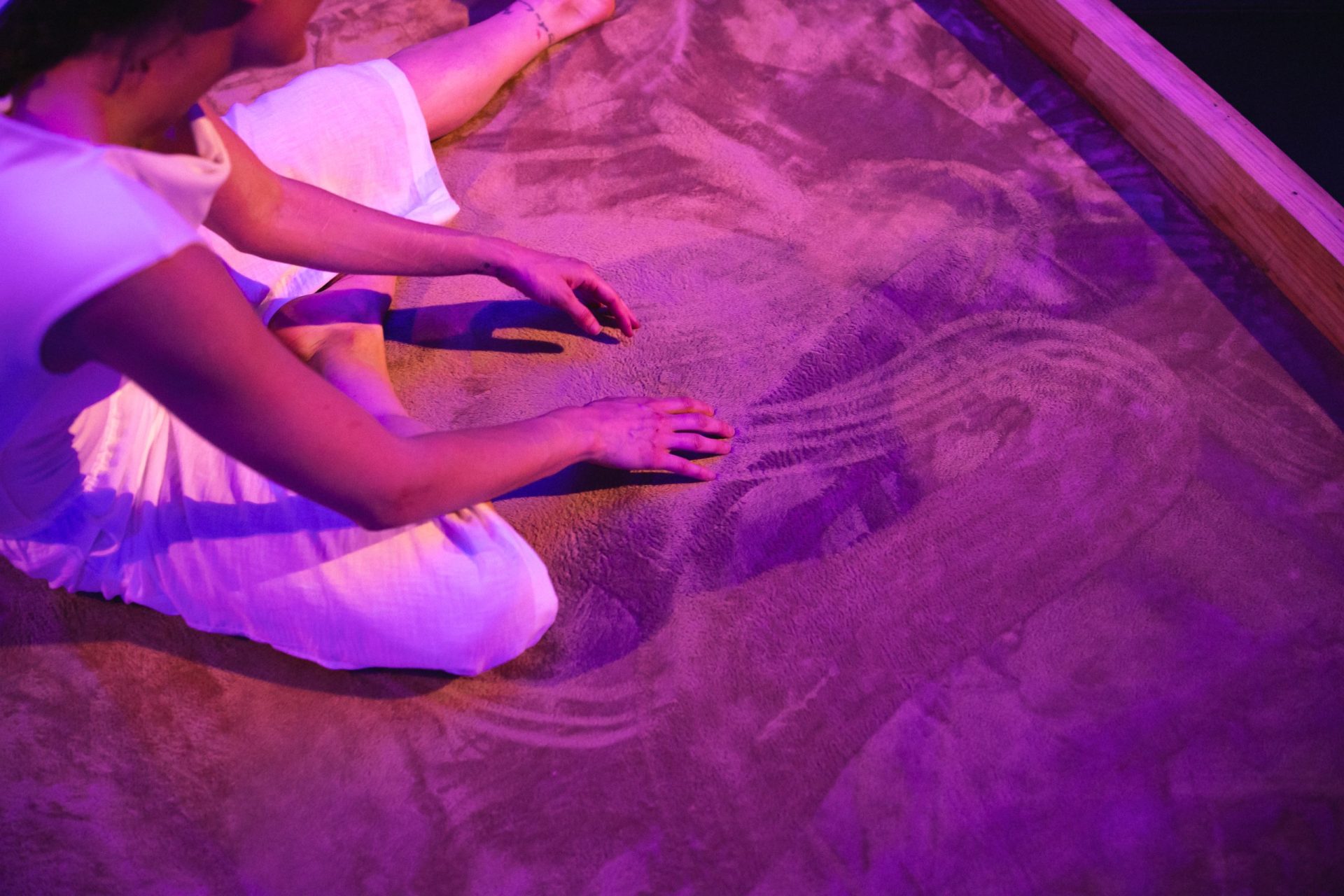
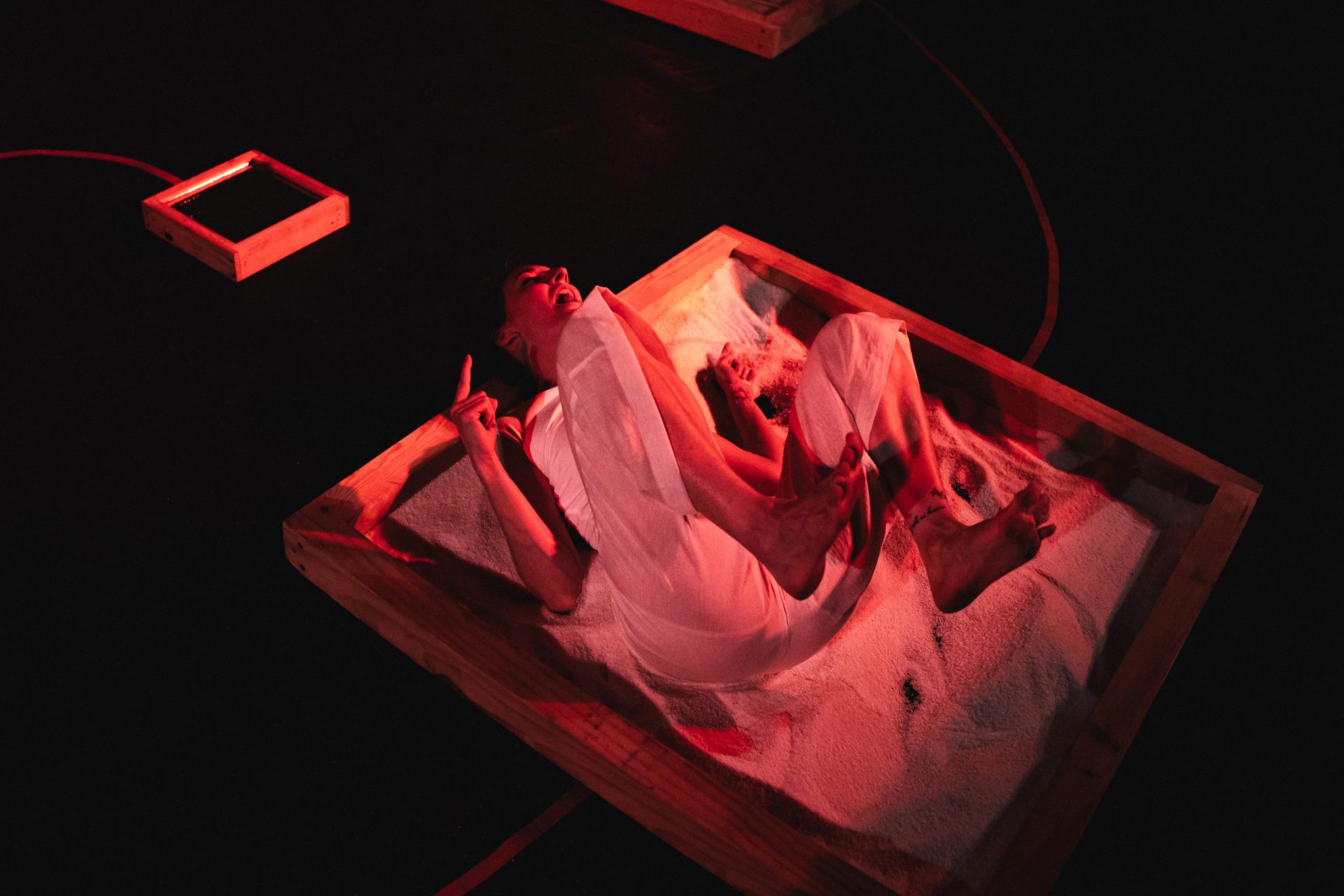
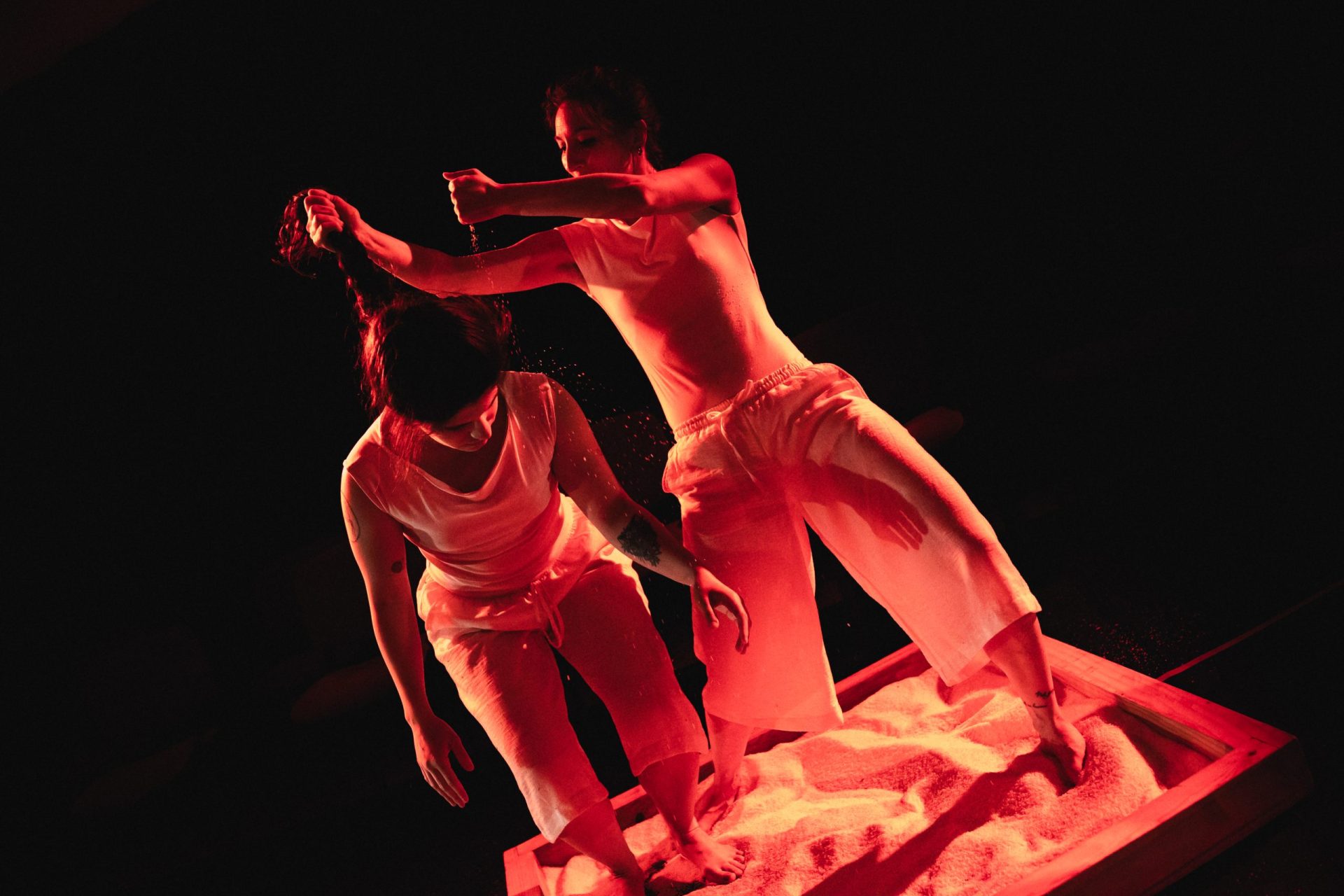
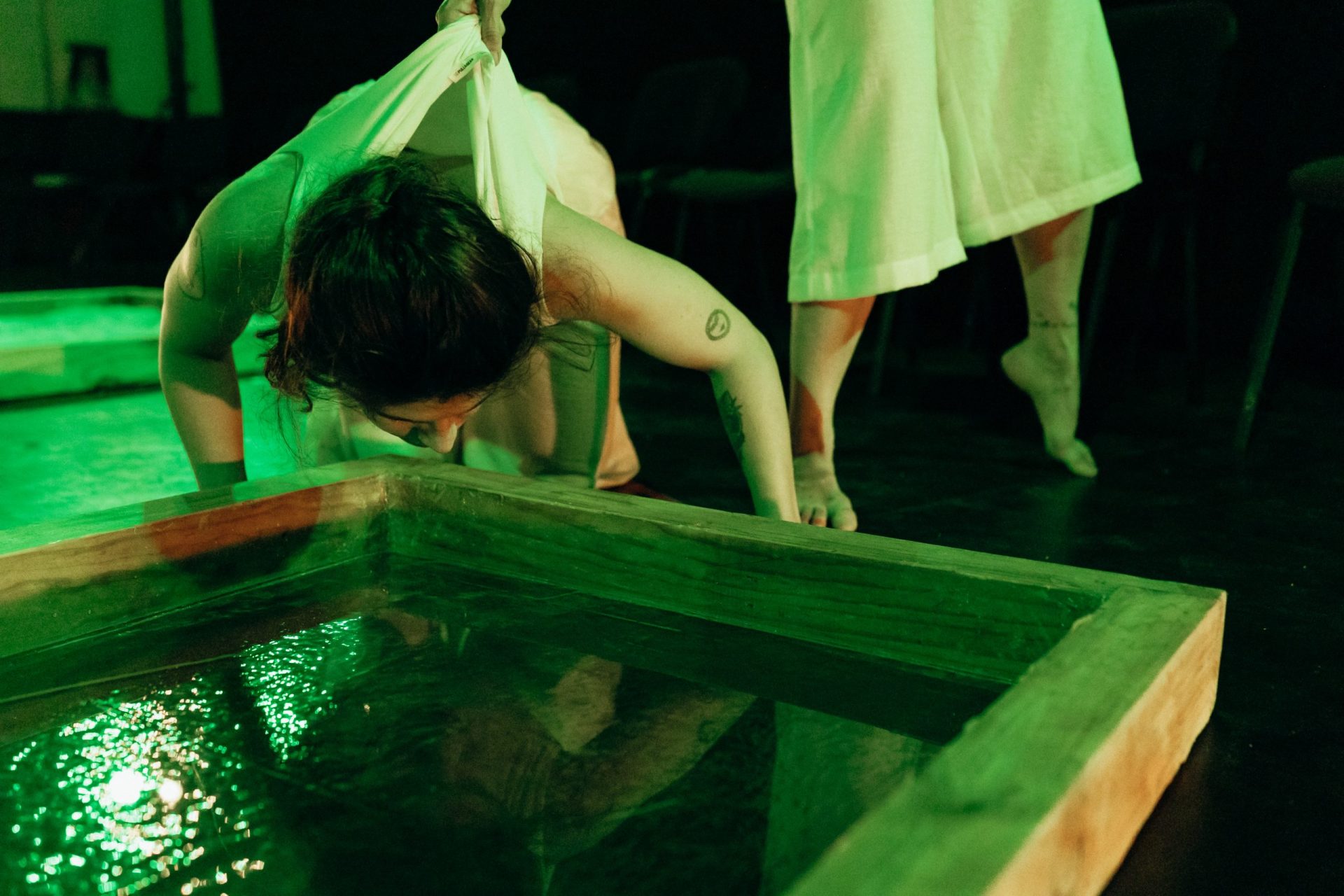
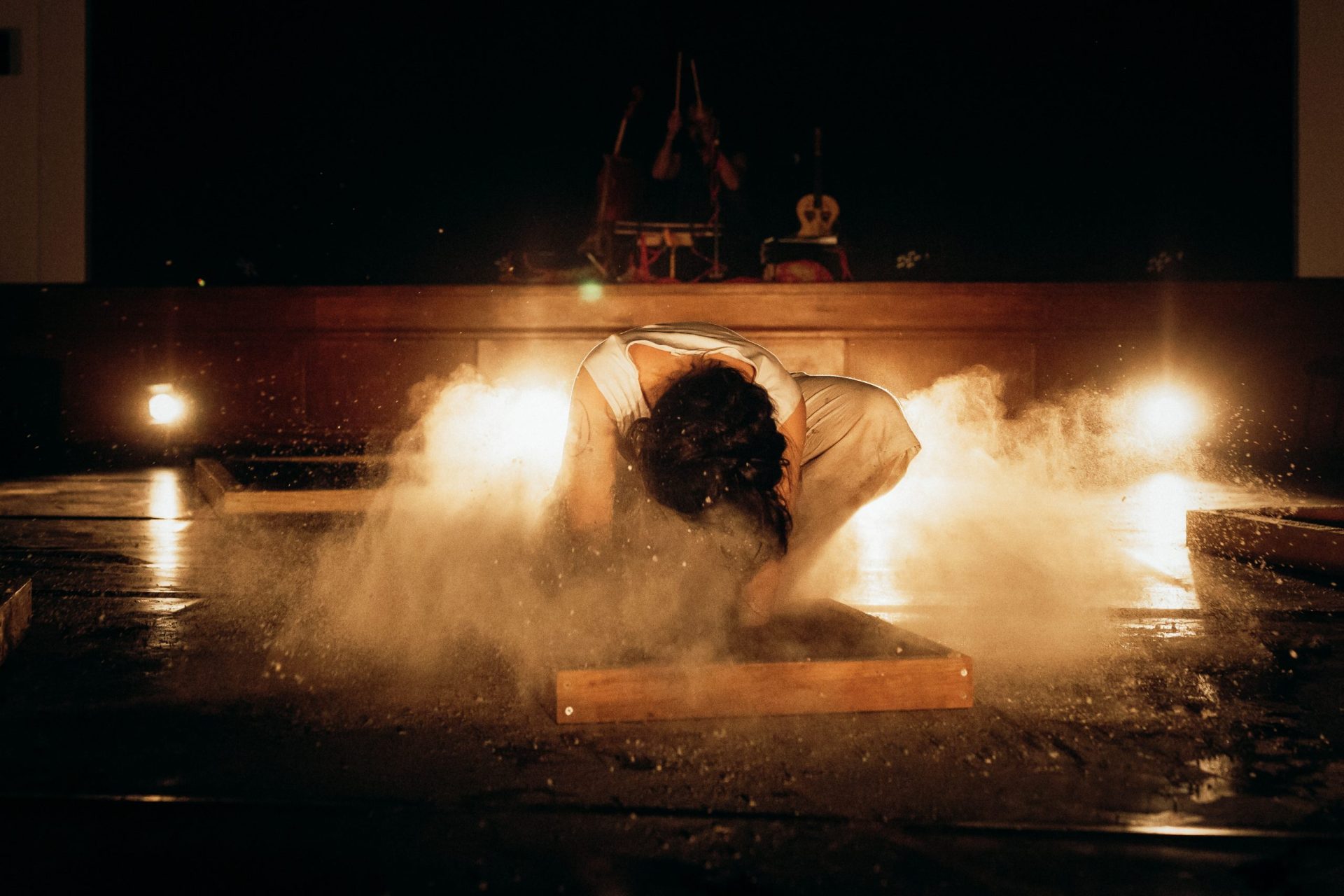
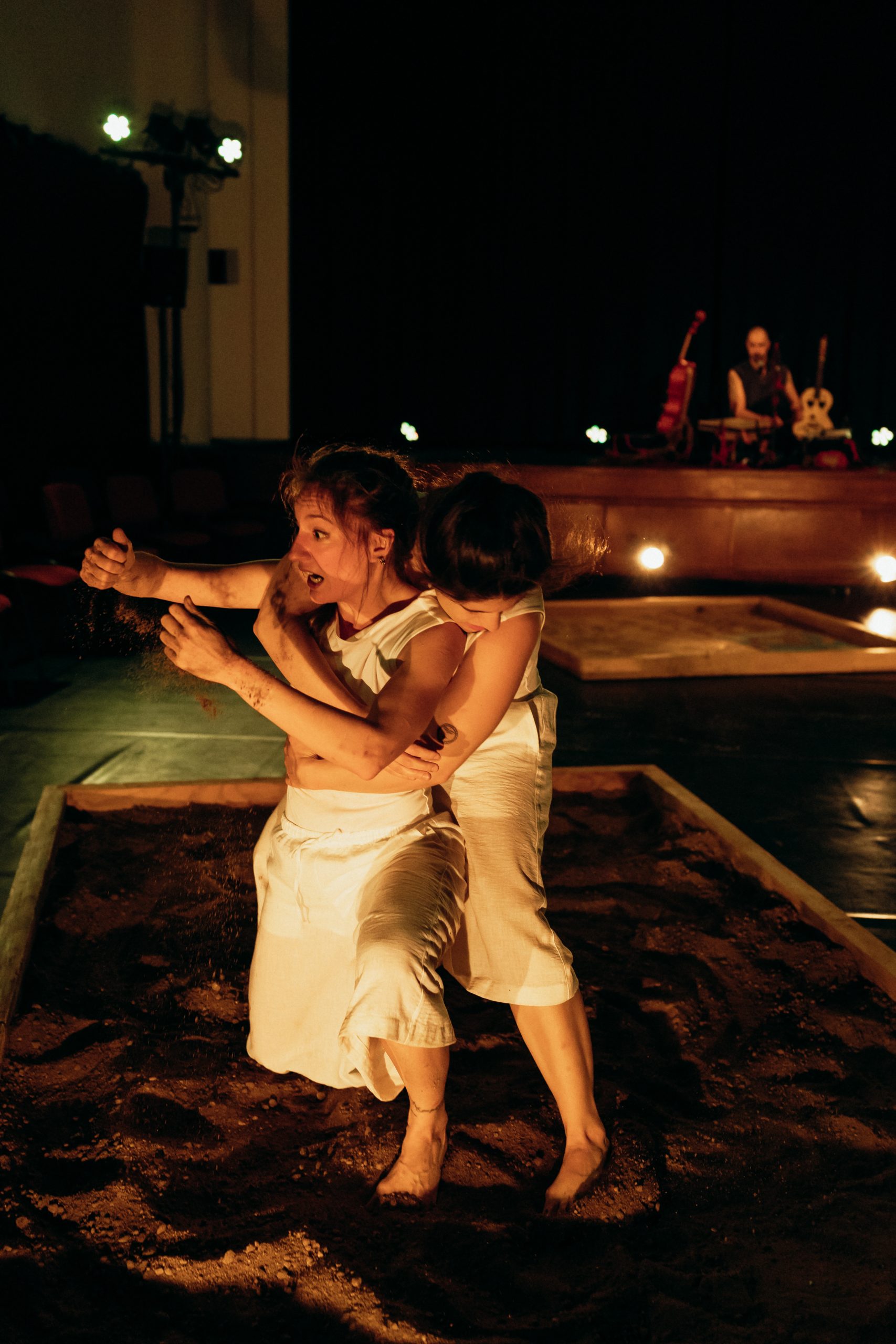
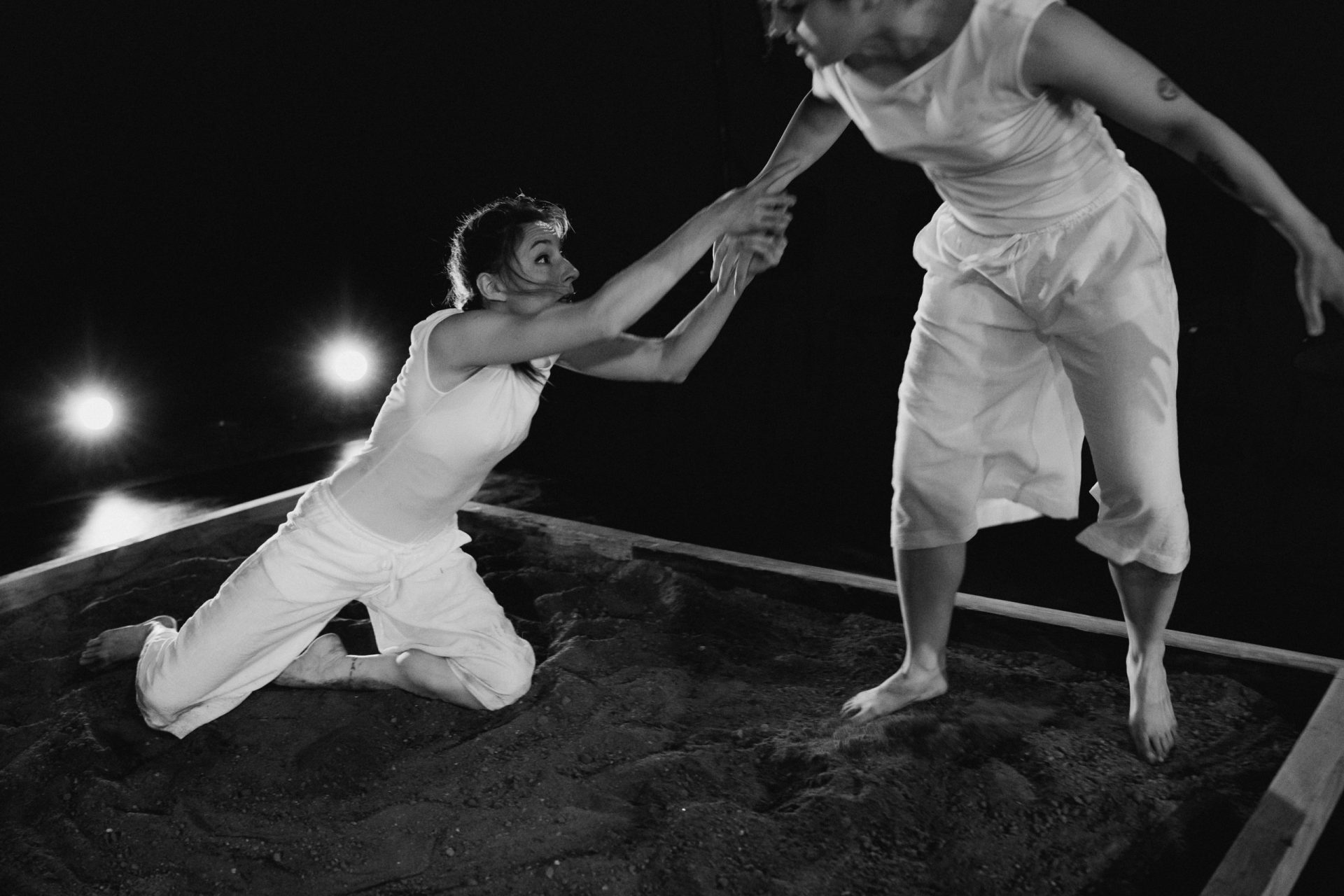
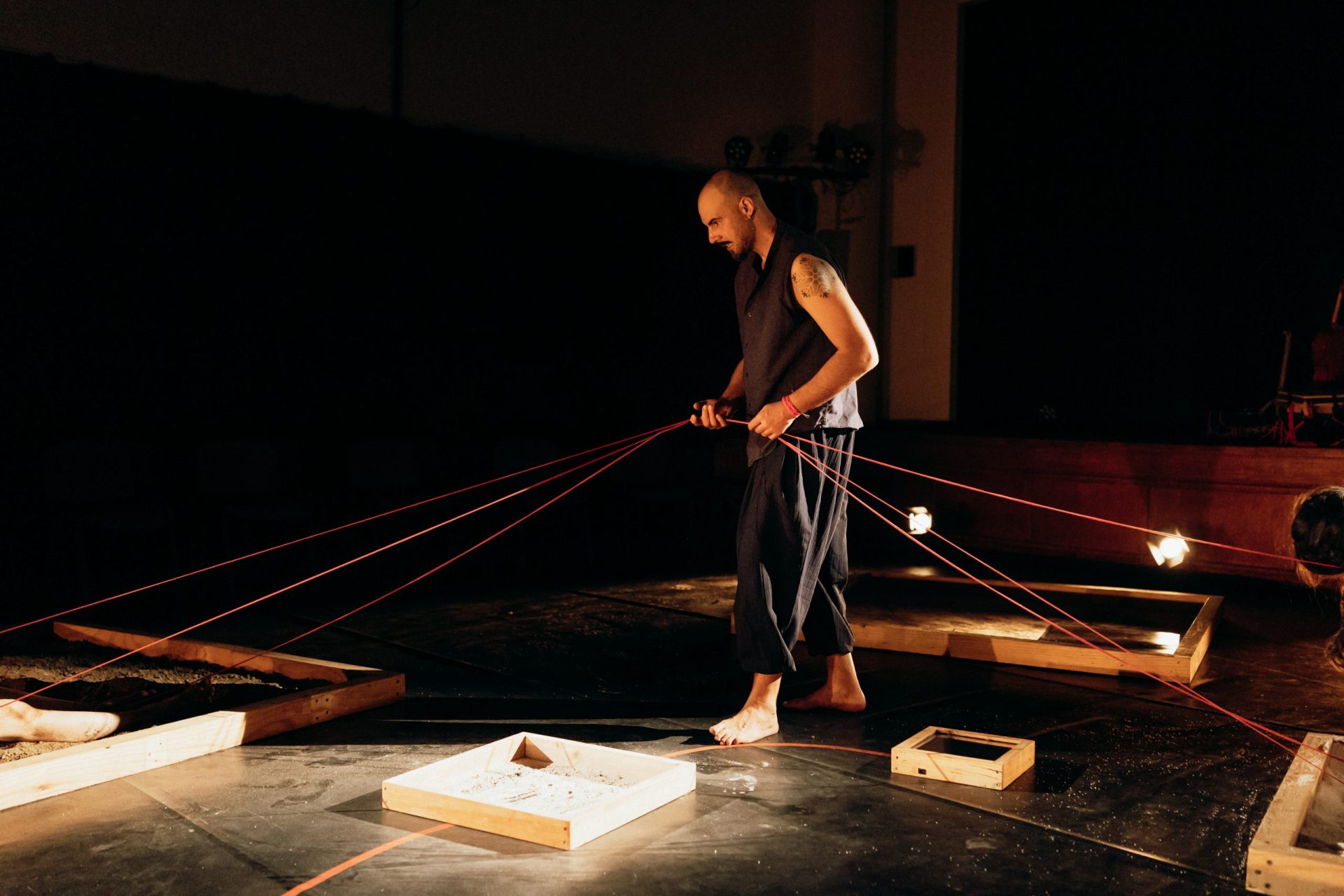
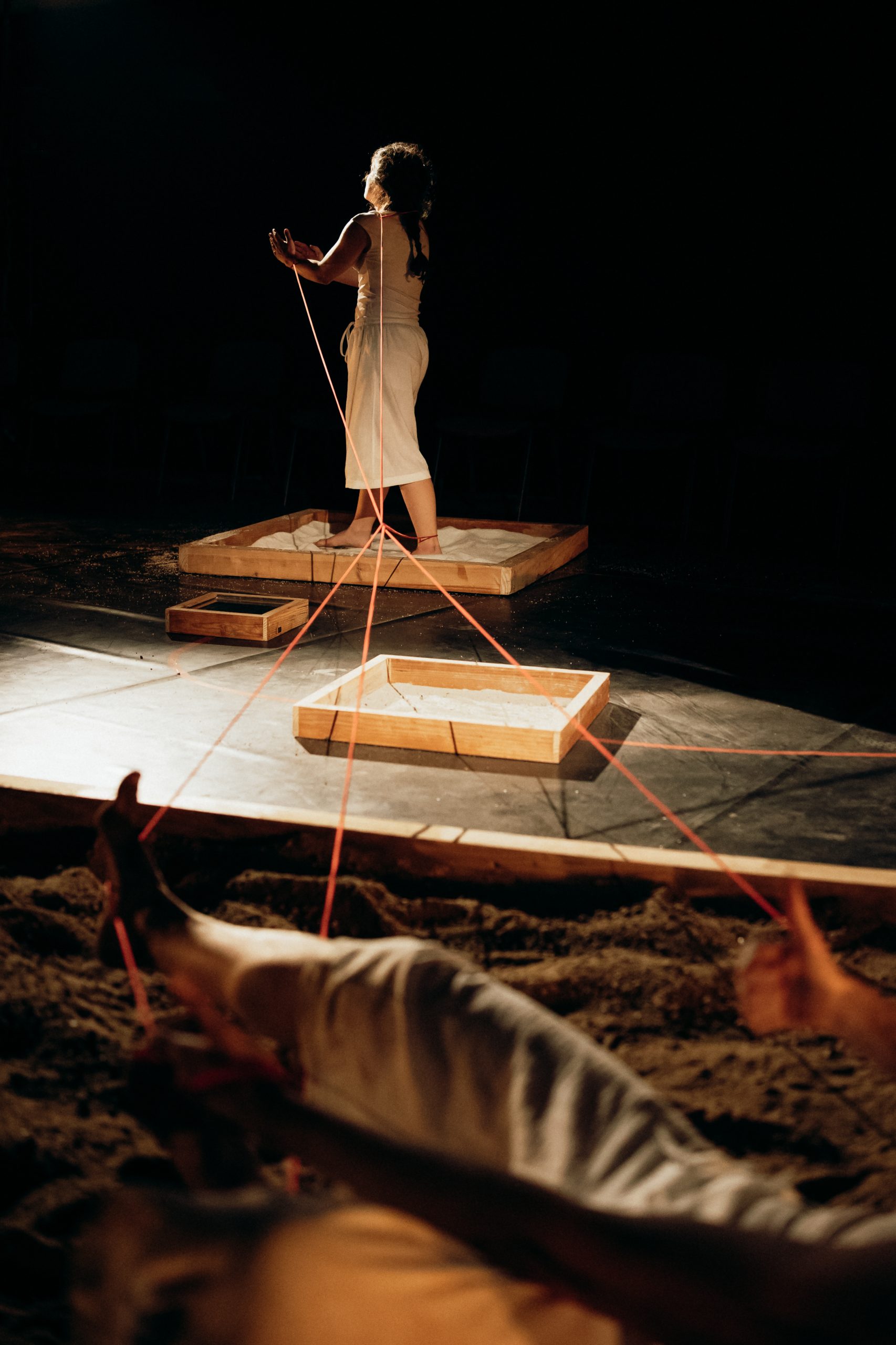
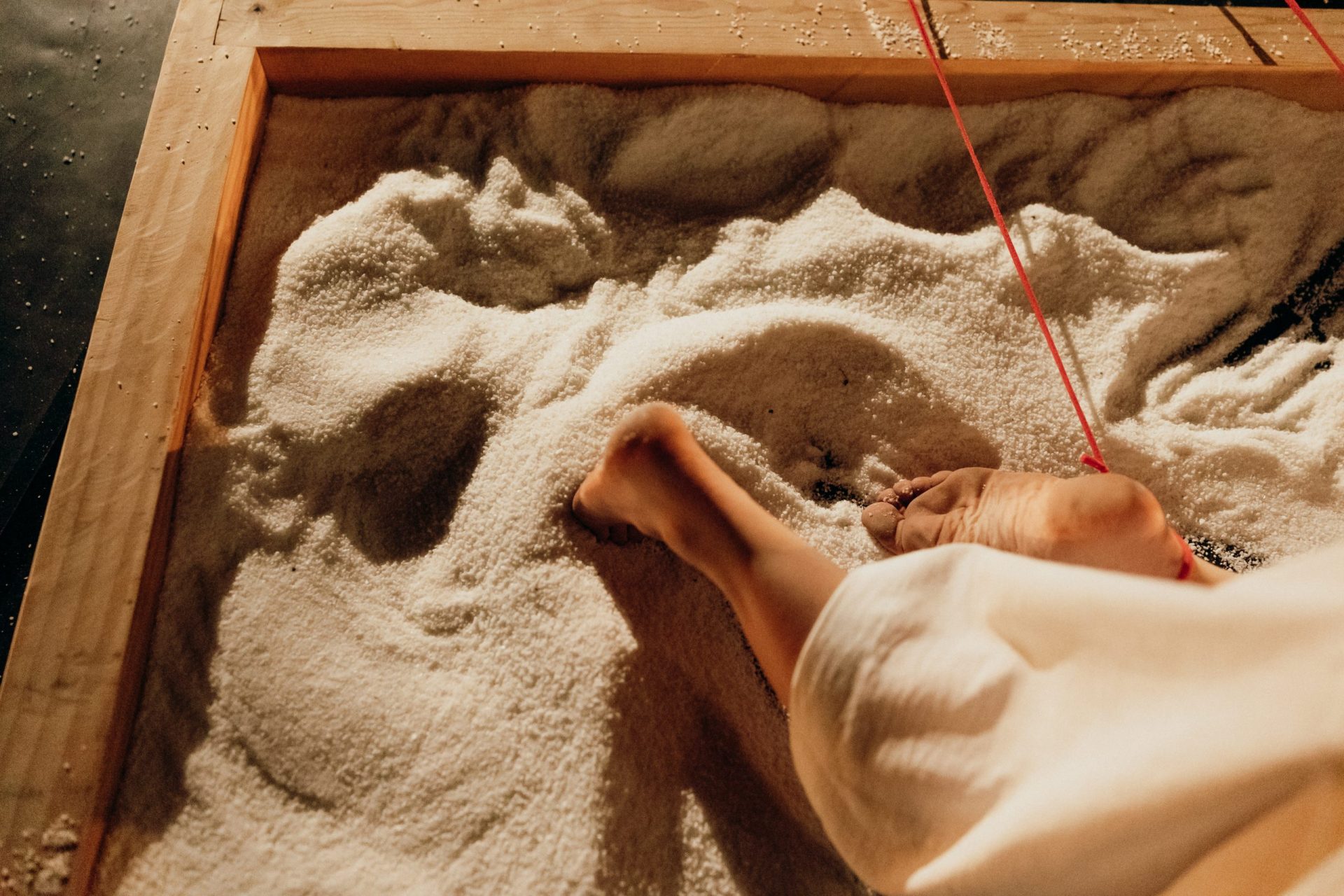
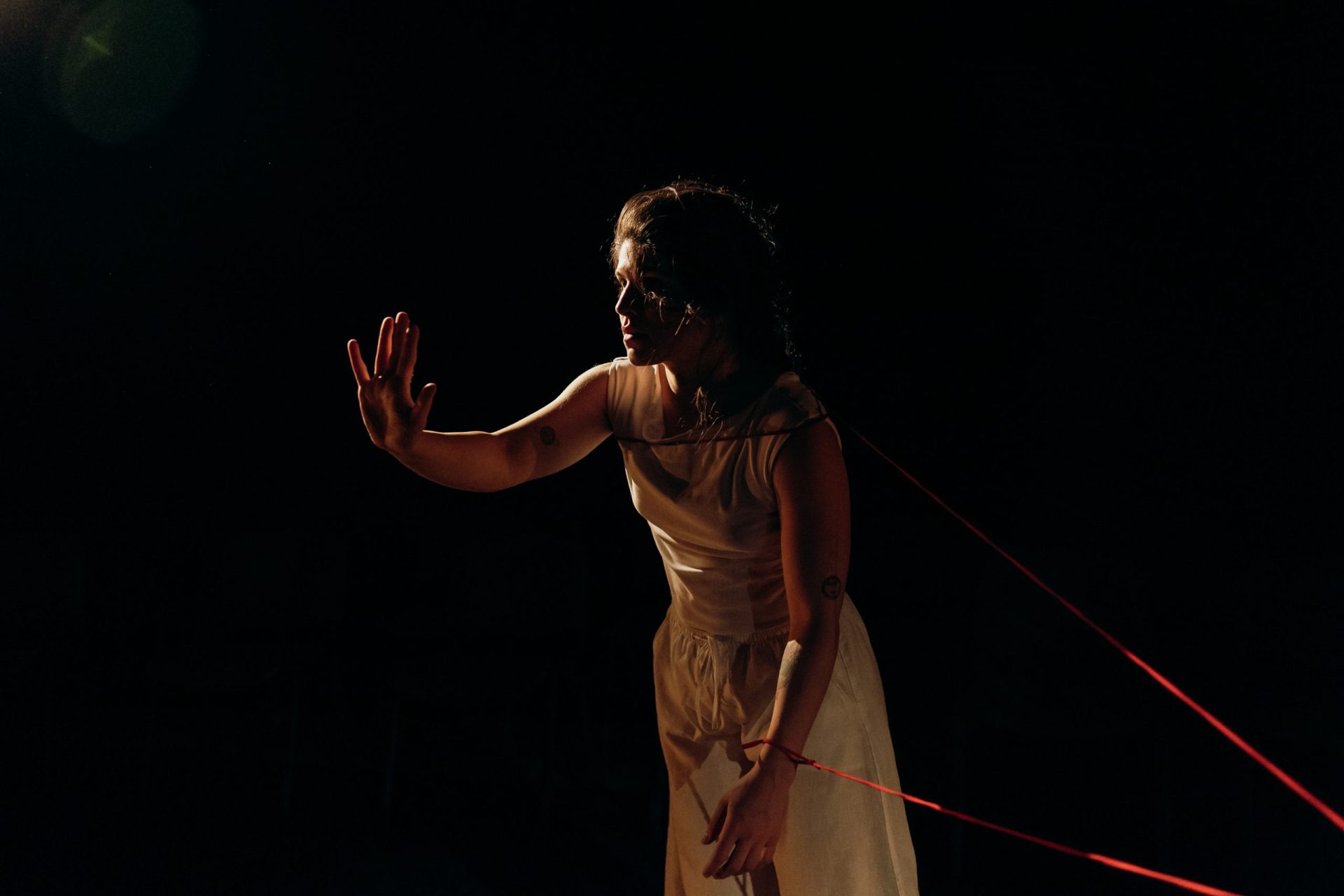
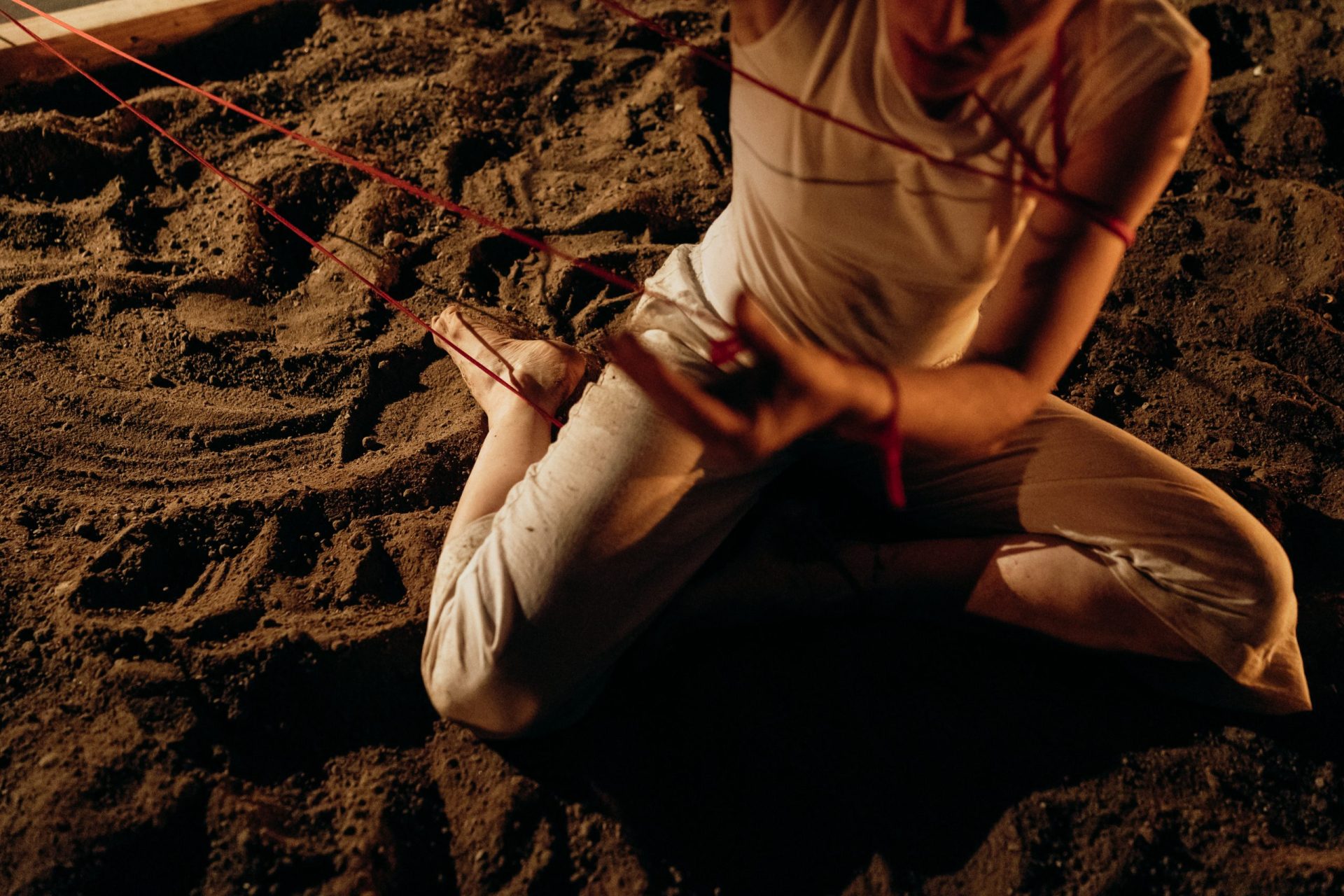
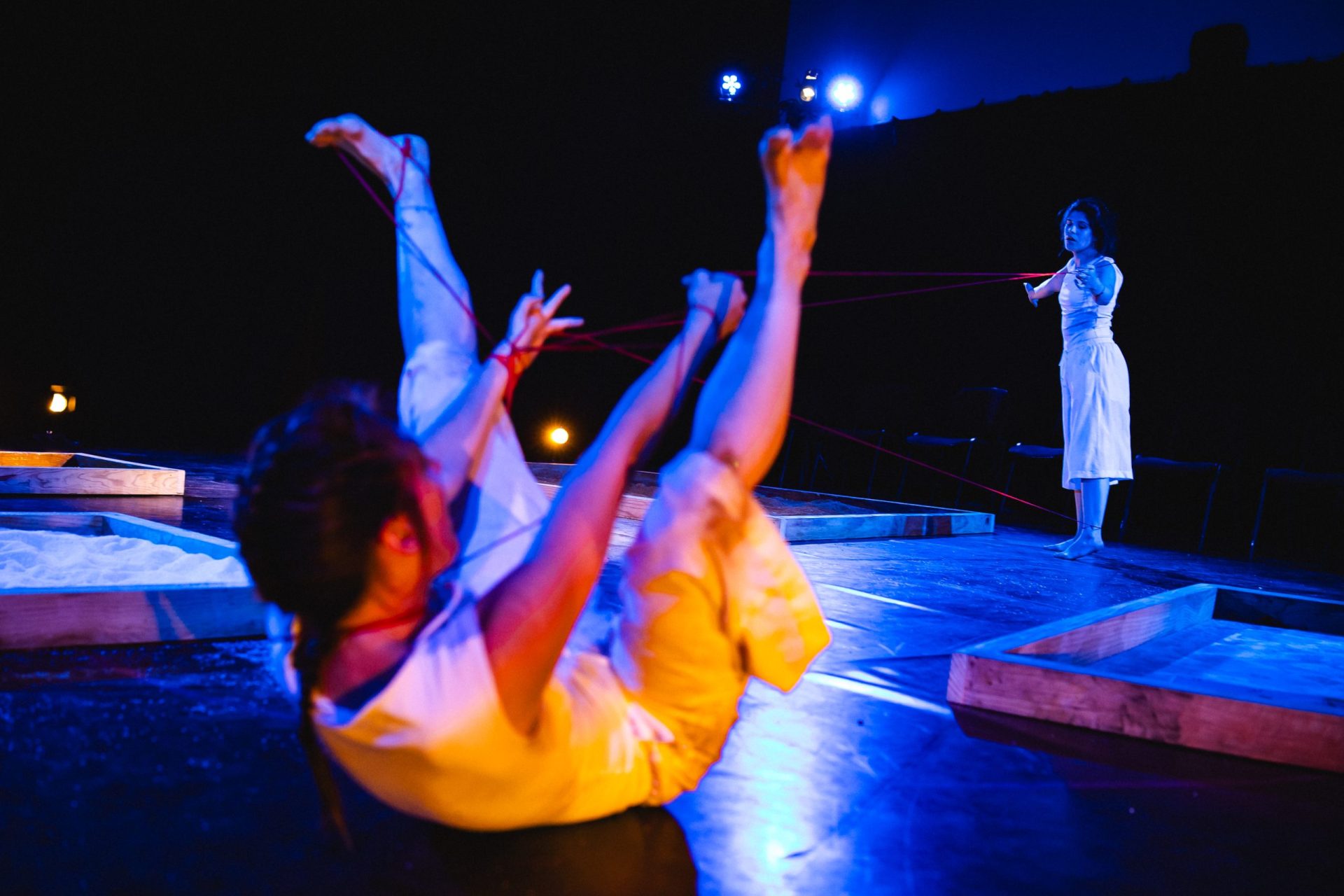
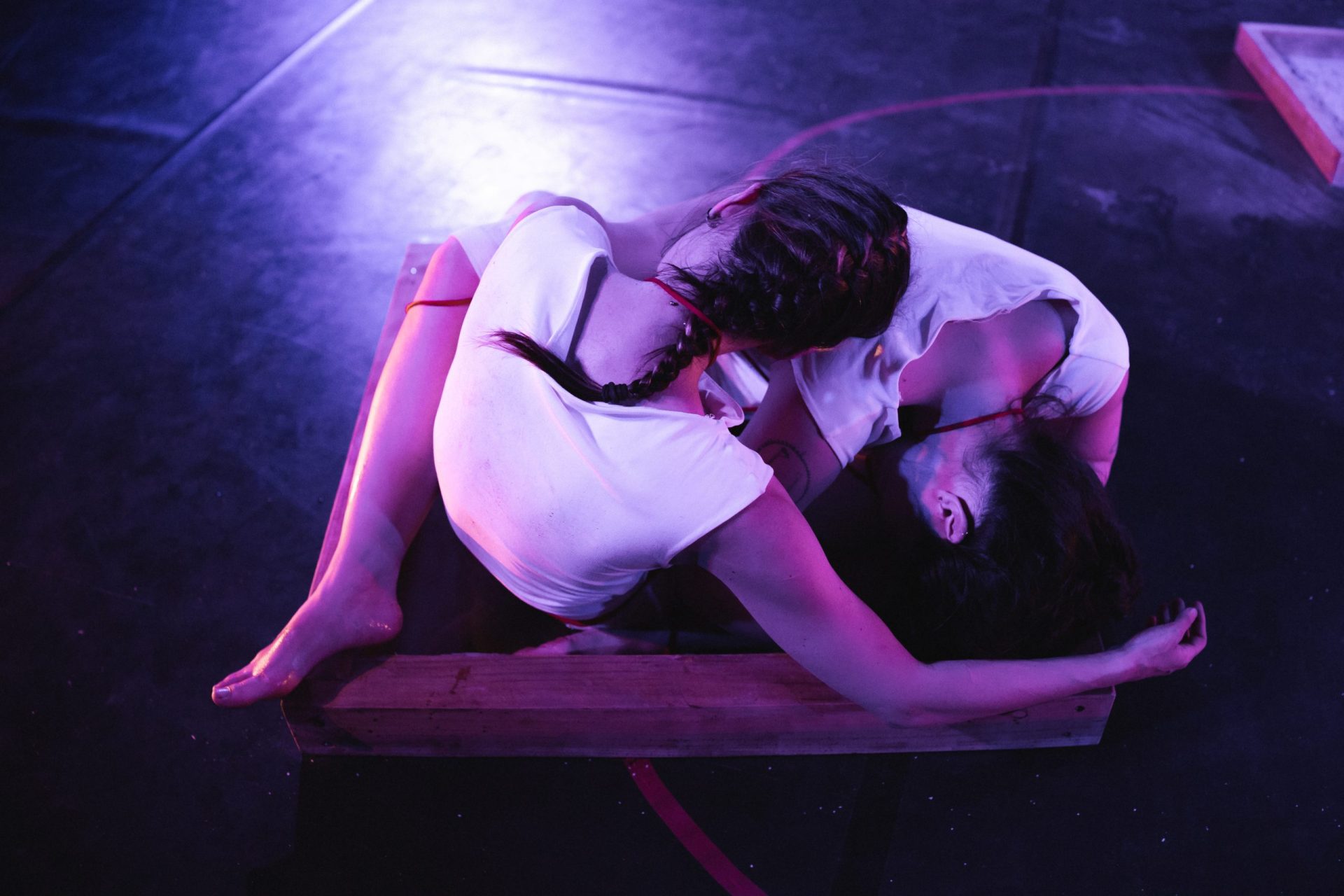
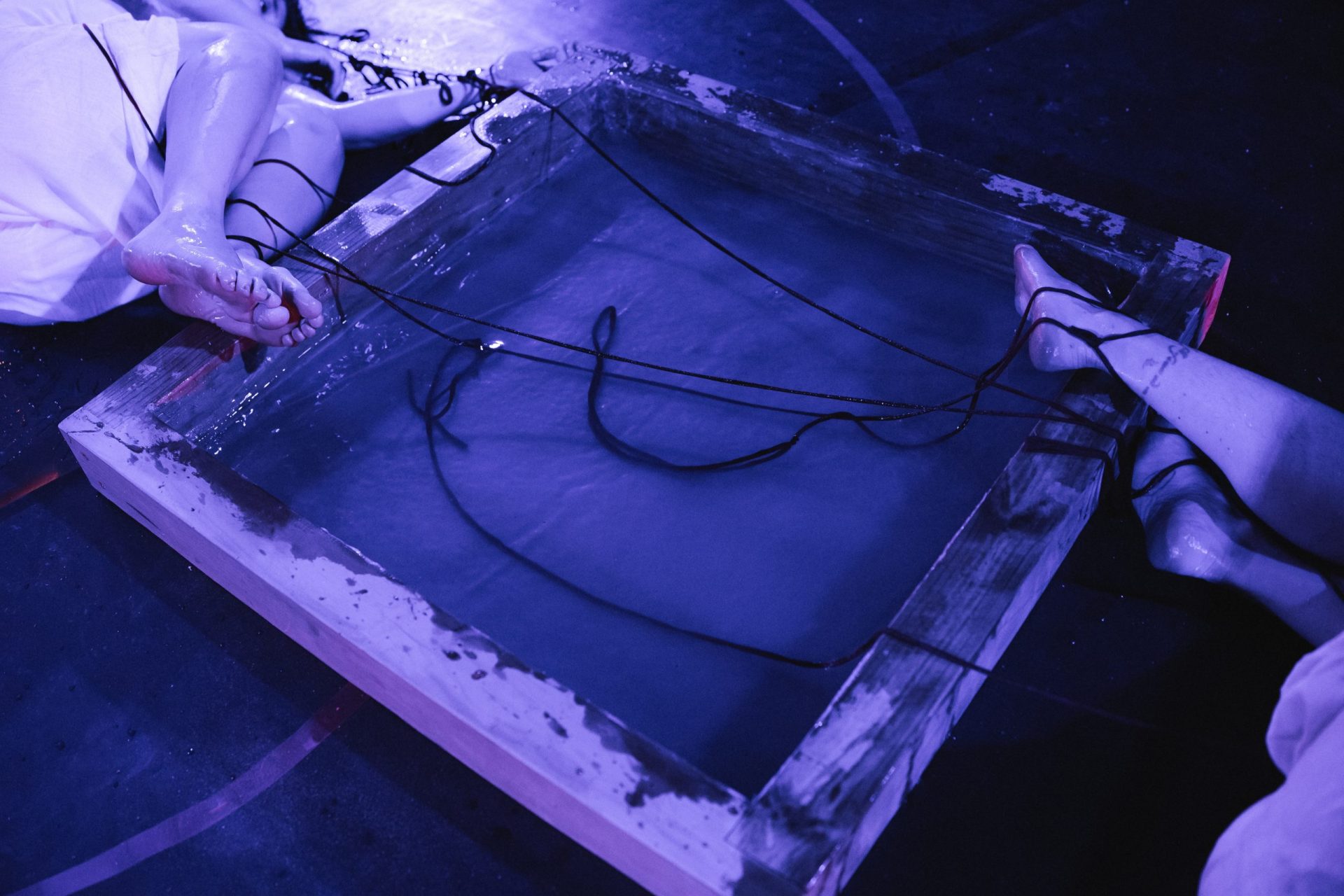
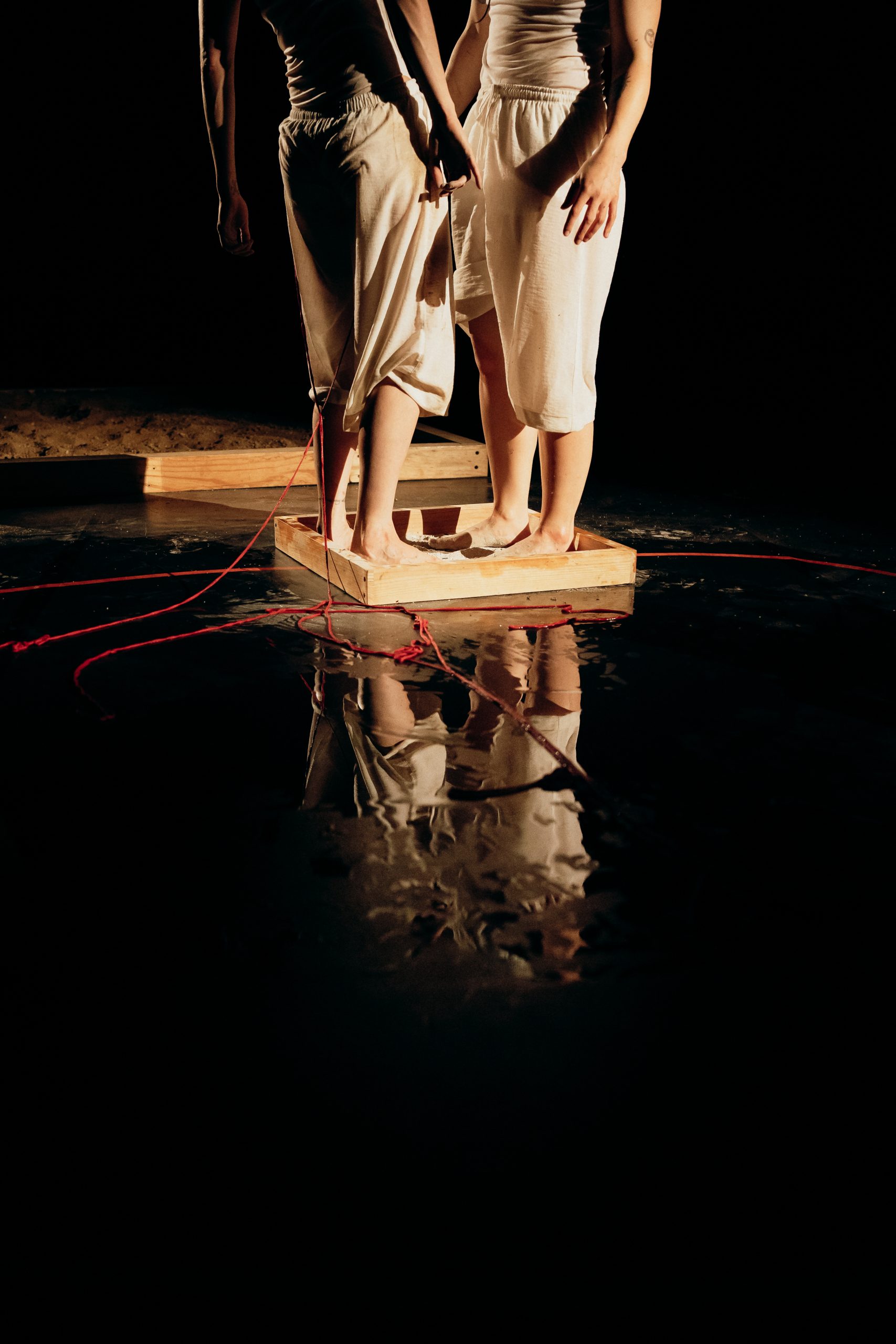
Querida Prisão unfolds in three acts tracing an arc from birth to destruction and return. At the centre of the stage, a spiral of wooden frames holding earth, carpet, salt, water, ash and light organizes the space as a cartography of the lived — and as an invitation: the spiral is not observed from outside, it is walked. Each frame is a window onto the symbolic universes of the material it contains.
Neither manifesto nor thesis-show: a piece of many layers and many readings, asking quietly — and sometimes in screams — why the prison we carry every day feels, from time to time, so dear to us.
PROCESS
Querida Prisão is the result of two years of research in two phases. The first gathered theoretical material on natural systems, collective memory and power structures. The second experimented with it in the body through improvisations of movement and word, until generating a physical dramaturgy where movement, text, live music and spatial design are inseparable elements.
My joining the project was organic: I came in as assistant and directing coach, and the roles expanded according to the needs of the piece and the resources available. The set design, the choreography and the lighting design appeared during the process, not before. The choreographies arose from dialogue with the bodies of the cast: I don’t impose movement, I take bodies where they can’t go on their own. Among borders that dissolve.
The piece was to premiere at A Gráfica, and a safety problem forced it to move to INATEL. The first act had to be remade. The result was something unexpectedly beautiful: an act whose protagonist is neither the cast nor the audience, but time.


SYNOPSIS
When, in the spiral of time, life happens, the echoes of light repeat and transform again and again.
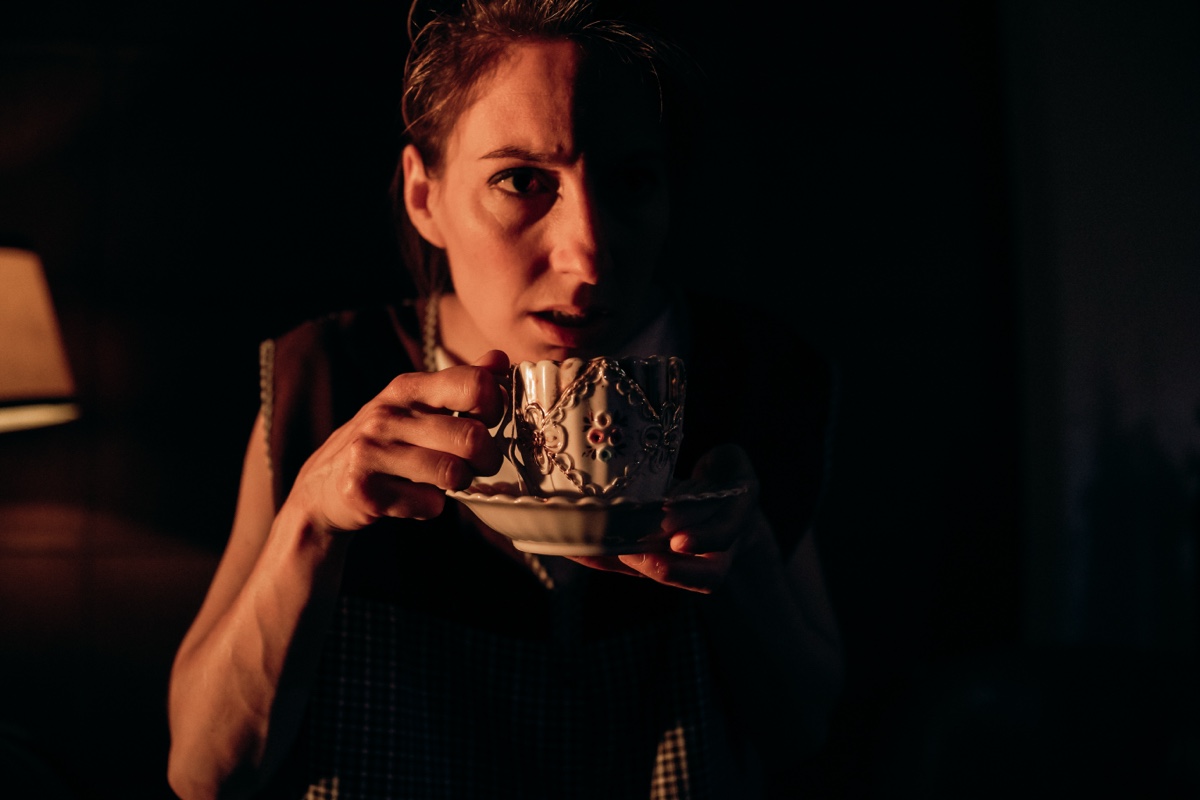
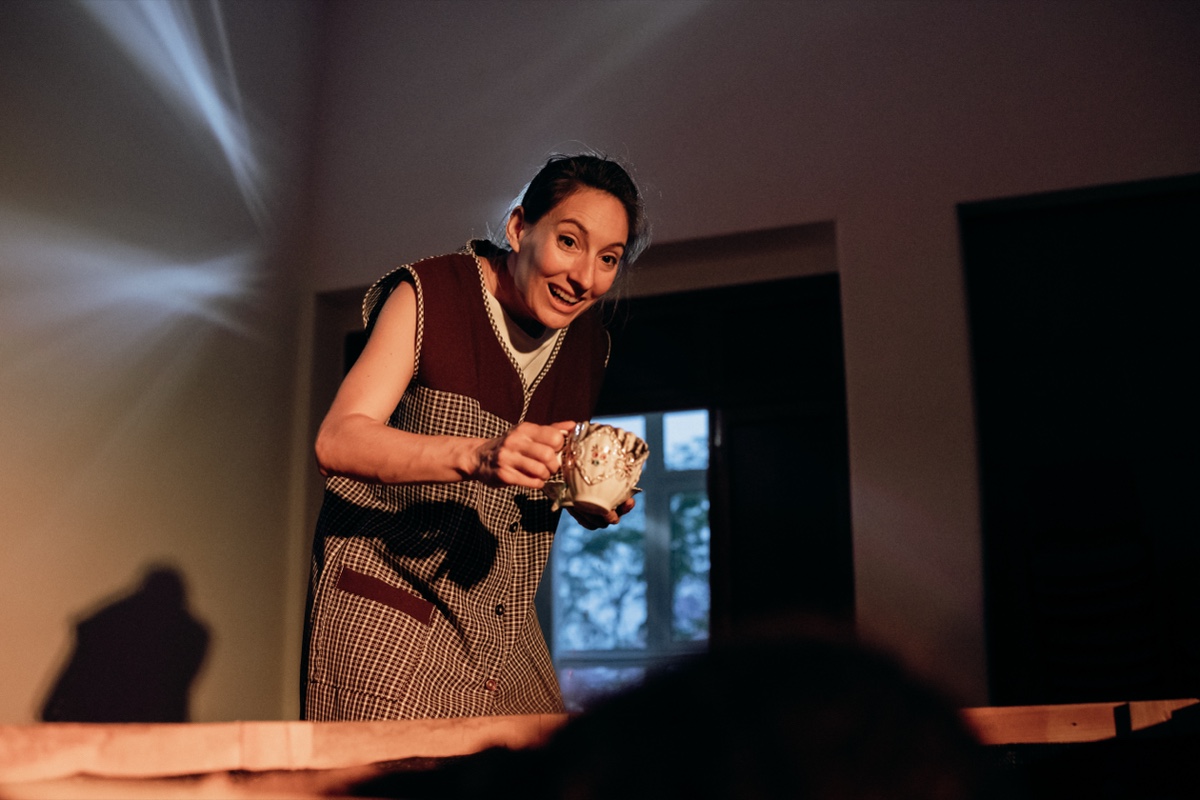
— I’m from the times of the carpets, in my grandmother’s house, in my parents’ house. — But how old are you? — It depends when you ask me. If it’s the golden hour of the morning twilight, and I haven’t had my cortado yet, I’m older. In the latent silence that exists before the bustle of the waking world I’m over 13 billion years old, in every quark that composes me. When the net of human rhythm catches me, I grow younger.
Light reflects on the wall of an empty house, like the latent heartbeat in the very balance of life, pulsing between death and the blossoming of something new in the most inhospitable and rugged setting. Among salt stones that remain when the sea dries up, the single-celled being grows complex and learns to walk on land, beginning its vertical growth until it scratches the skies.
— My grandmother’s grandmother used to say that salt cures everything. — But what world did she live in? Today I bruised my little finger… — In the salt flats between the city and the sea, where buried secrets were no more than a point of darkness beneath the ground. The air smelled of salt and people’s skin was burned by the king who rules. Salt perhaps cures.
Dear prison, it is memories that keep our feet anchored to the ground while the head, aimed at the stars, spins in a spiral at more than 1670 km/h.
SPACE AND AUDIENCE
In the second act the audience occupies two facing fronts, so that it always sees the rest of the audience on the other side of the scene. There is no fourth wall because there is no wall: from the start, the spectators are a visible part of the collective body the piece summons. In the first act, the audience is free to move around. In the third, it is invited to enter the scenic space, walk the spiral and engage with the materials. The work ends with everyone inside — cast and audience interconnected — with the unanswered question of whether what they have just lived was fiction or not. The spiral is not looked at. It is inhabited.
ARTIST’S NOTE
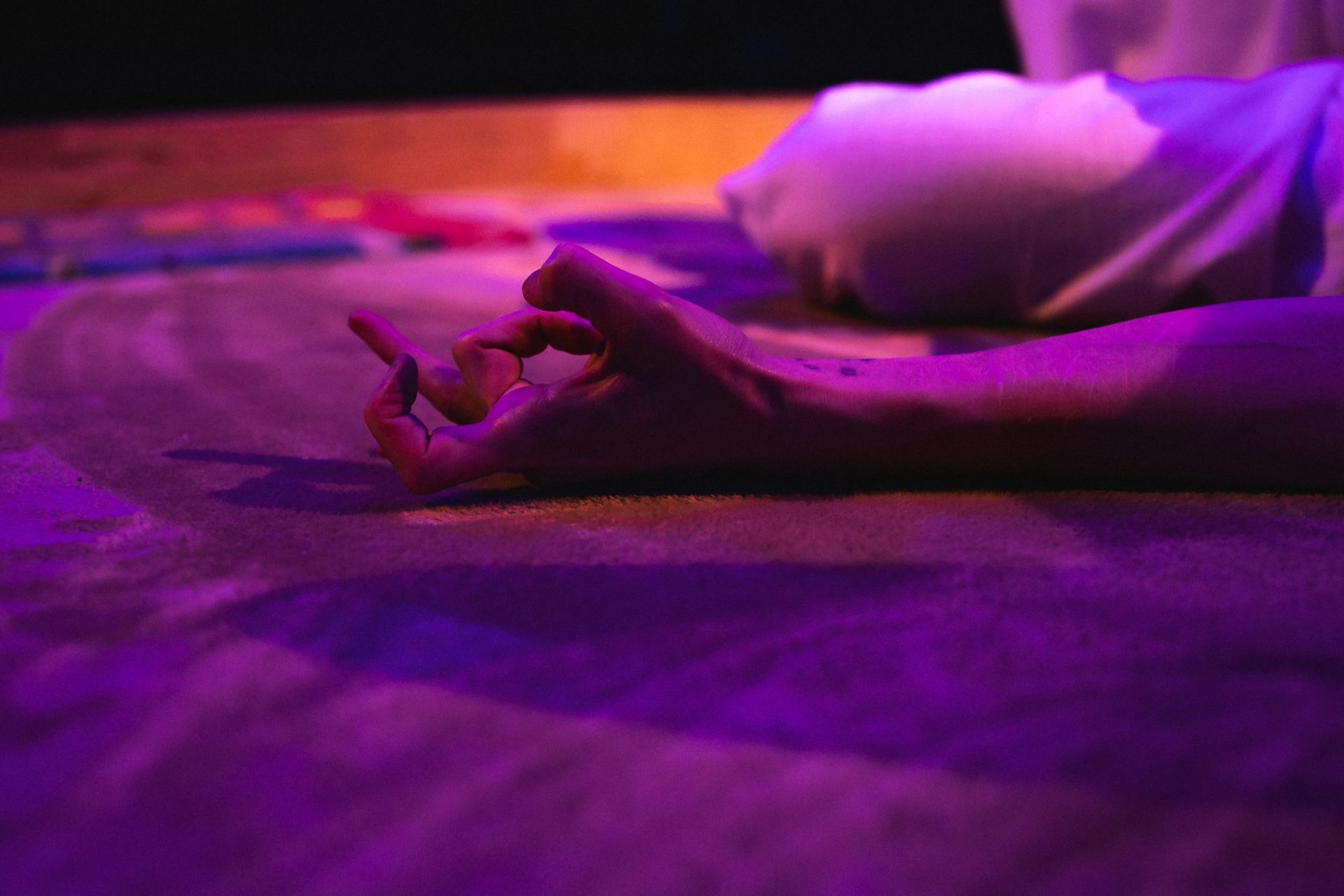
This project confirmed something I suspected: that designing a scenic space and designing a body in movement are, at bottom, the same gesture. Earth, salt, ash, water, light — they are not décor nor fixed symbol. They are materials with reality, with weight, with their own memory. The cast reads them with the skin before understanding them. The audience feels them and takes away something that can’t quite be named; we have spent seventy minutes building something together without their knowing it: a language of realities, of cycles, of bodies that die and return. And then we invite them to be part of that body of earth, of salt, of ash. They are part of the living web that gives life to the show.
The spiral was not something looked at from outside. It never was. Physicality is dramaturgy, space is score, and sometimes the most important role you can have in a creation is knowing when to step back to let the piece find its own form.
GALLERY

ARTISTIC CREDITS
- Classification: Physical Theatre / Performance
- Creation: 2026
- Origin: research Corpo Colectivo – Corpo Memória – Corpo Terra (2024–2026)
- Duration: approx. 70 min — 3 acts (Chegar · Espiral Infinita · Voltar)
- Artistic direction: Rafaela Bidarra
- Dramaturgy: Rafaela Bidarra
- Text: João Mota / Patrícia Paixão / Rafaela Bidarra / Rafaela Silva
- Directing assistance and physicality support: Matilde Javier Ciria
- Choreography: Matilde Javier Ciria
- Set design: Matilde Javier Ciria
- Lighting design: Matilde Javier Ciria
- Cast: João Mota / Patrícia Paixão / Rafaela Silva
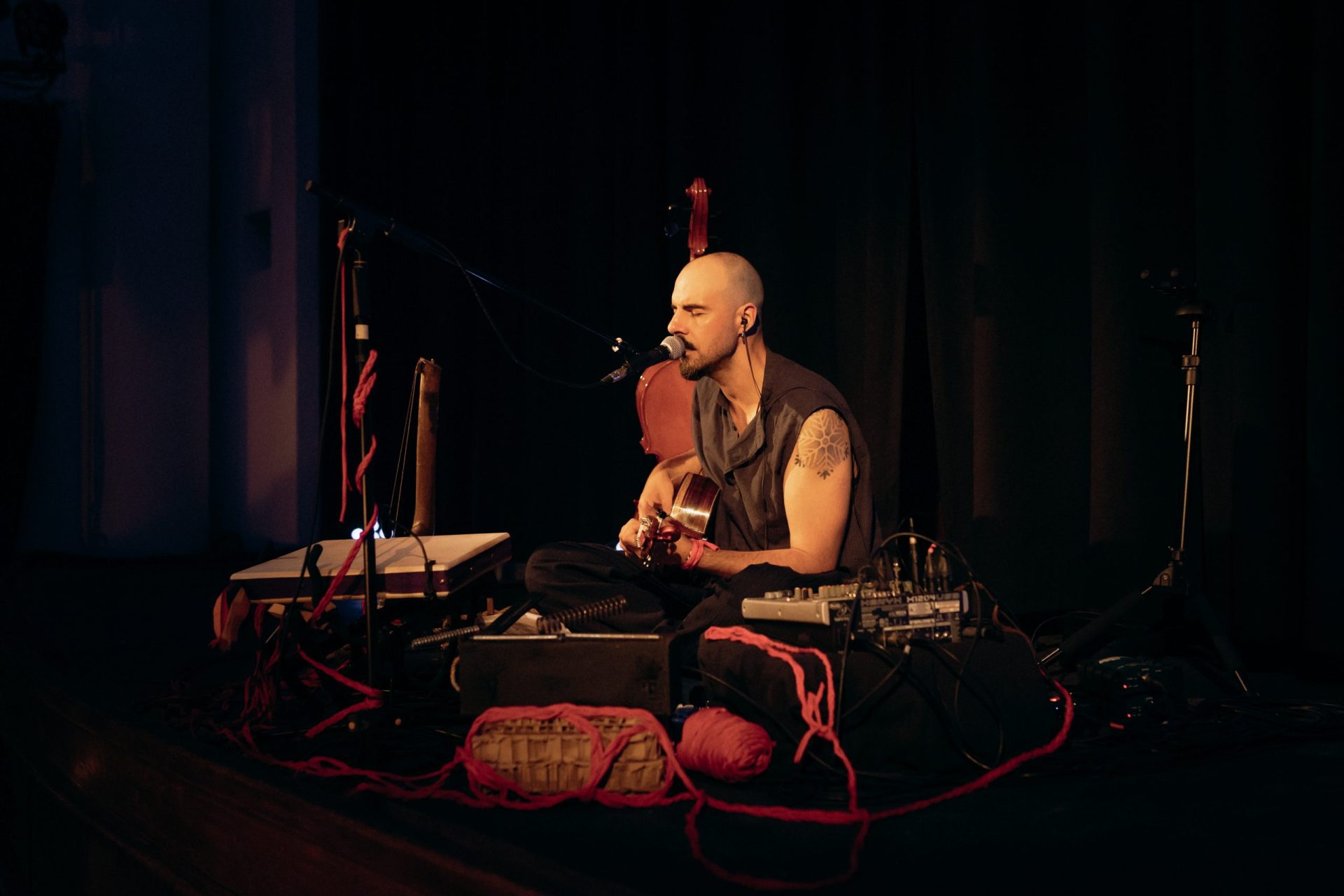
- Live and original music: João Mota
- Production: TEF – Teatro Estúdio Fontenova
- Premiere: 27 May 2026, INATEL, Setúbal
- Photography: Helena Tomás